















1. Introduction to Tra Dong Bronze Casting Village - The Jewel of Thanh Hoa Land
Located in Thieu Trung commune, Thanh Hoa province, Tra Dong bronze casting village is situated about 12 km northwest of Thanh Hoa center. This area belongs to the fertile Chu River basin, once the center of the famous Dong Son culture. The village is also known by its ancient name "Ke Che", a name deeply connected to its rich historical tradition.
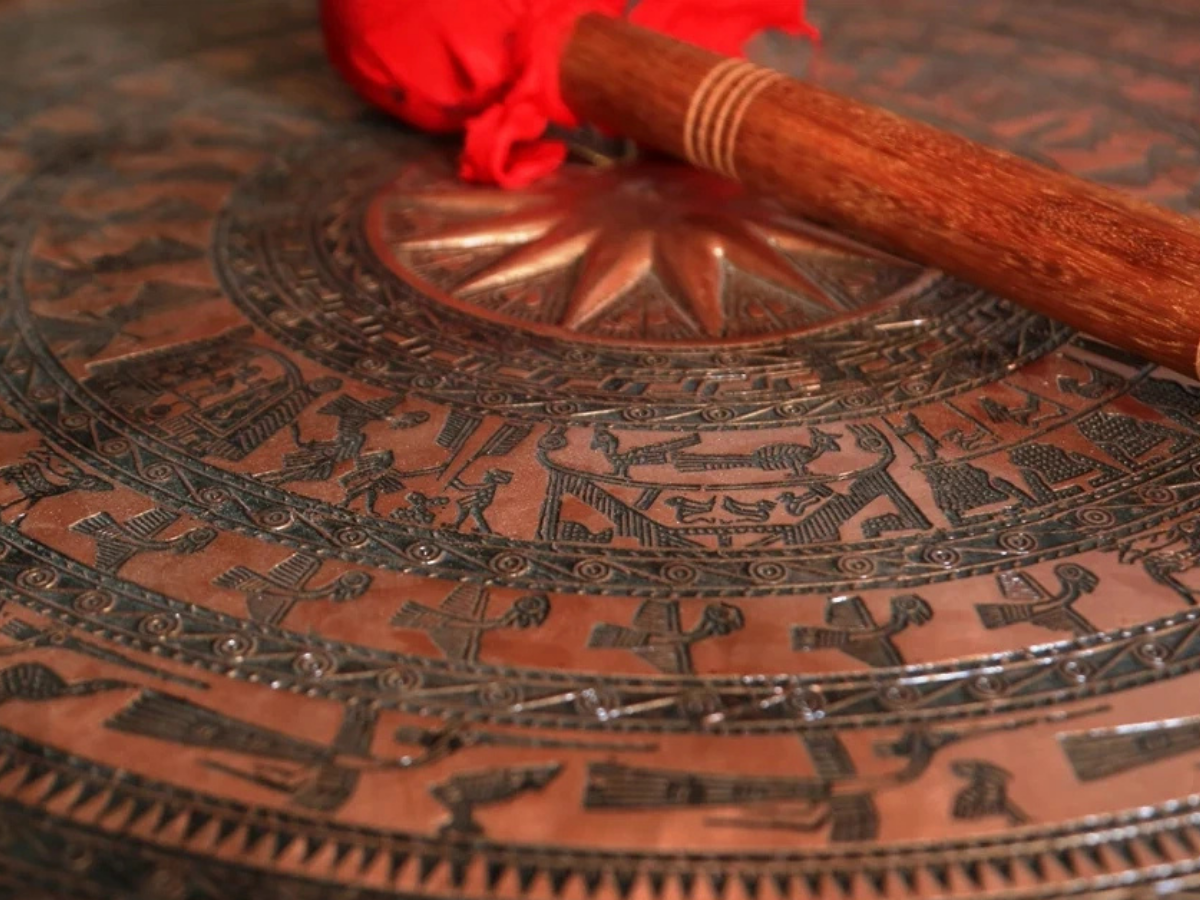
Tra Dong bronze casting village was once a center of the famous Dong Son culture. (Source: Collected)
The bronze casting craft here originated in the Ly Dynasty, developing over more than 1000 years, associated with the legend of the craft's ancestor, Saint Khong Minh Khong. According to legend, this monk and his two disciples named Vu chose Tra Dong as the place to establish the bronze casting craft, thanks to the favorable land conditions for mold making. The saying "Le family's land - Vu family's craft" is still passed down to this day, as a recognition of the merits of the families who have preserved the craft through many generations.
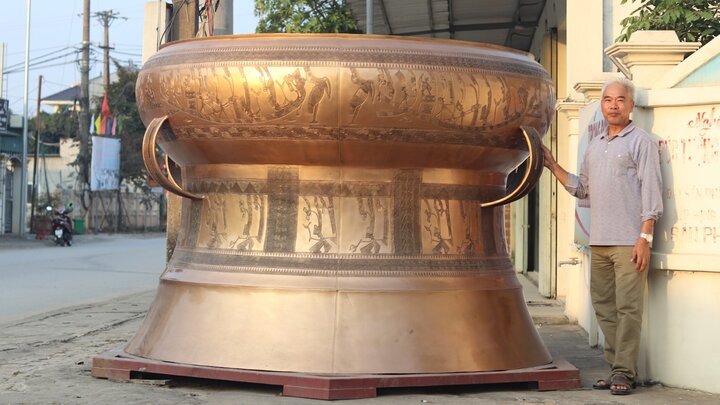
The value of Tra Dong bronze casting village lies not only in its long history but also in its significant contributions to national culture. This place has created many famous bronze works such as Dong Son bronze drums, Buddha statues, bronze bells, and exquisite handcrafted religious items. The craft village is considered one of the cradles of Vietnamese metal art, contributing to the glory of Thanh Hoa and the entire country.
2. History and legends of Tra Dong bronze casting village
2.1. A bronze casting craft over 1000 years old with historical footprints
Traces of the development of Tra Dong bronze casting village appeared during the prosperous Ly Dynasty. According to preserved documents, the Vu family brought the bronze casting craft to the land of Son Trang, the former name of Tra Dong. Initially, this place mainly produced simple household items, later developing into a center for producing bronze goods serving diverse social classes, from the royal court to the common people.
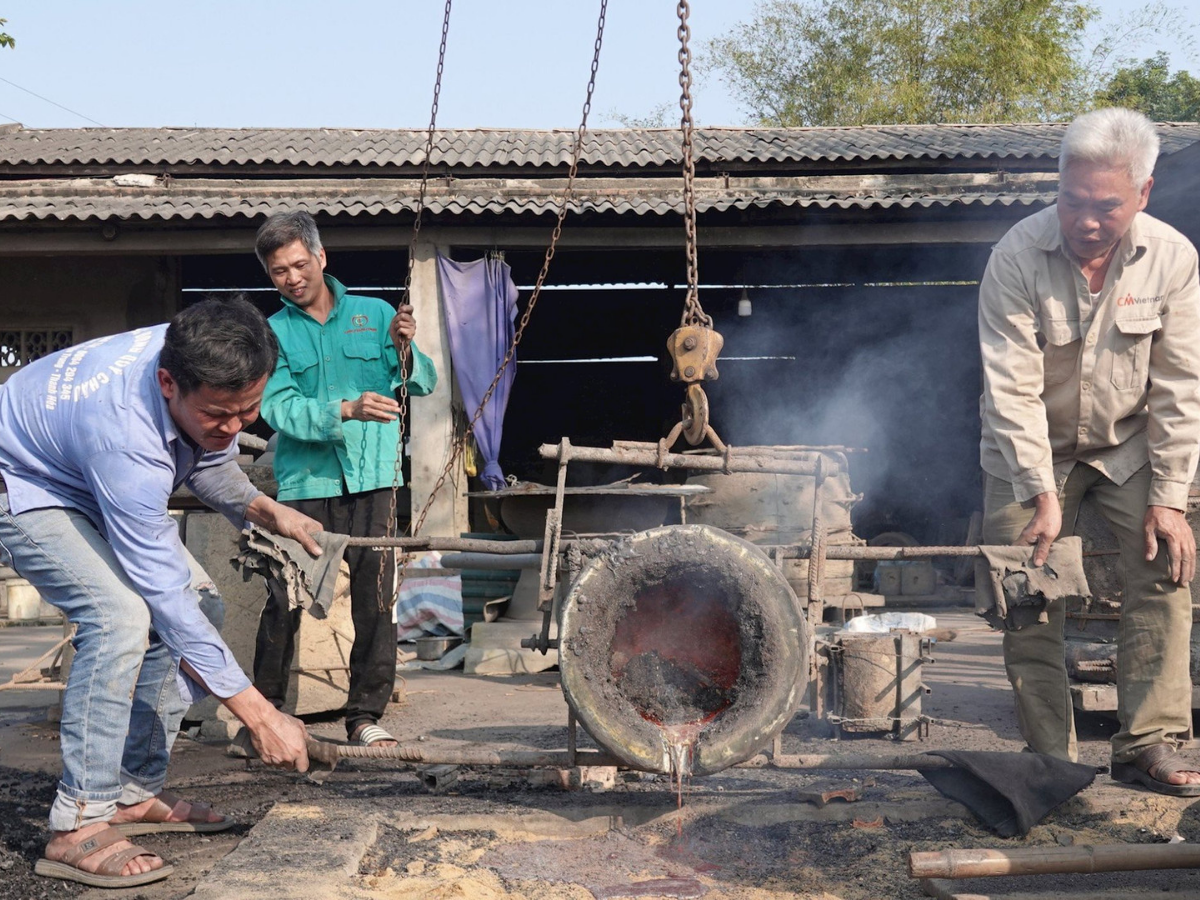
This place was developed into a center for producing bronze wares serving diverse social classes, from the royal court to the common people. (Source: Collected)
The legend of monk Khong Minh Khong is closely associated with the formation of the bronze casting craft in Tra Dong, creating a mystical and sacred atmosphere for the craft village. The monk and his two disciples of the Vu family traveled everywhere before choosing Tra Son Trang as a resting place, beginning to teach the bronze casting craft. The reason for choosing this land is because the terrain is favorable and the soil is particularly suitable for making molds, this is an important factor creating product quality. During the reign of King Tu Duc, the people built a temple to honor the craft's ancestor.
The saying "Land of the Le family - Craft of the Vu family" serves both as a reminder and expresses appreciation for the role of the families who have persistently preserved and passed down the craft secrets through generations, forming the unique characteristics of Tra Dong.
2.2. Ancestor and historical relics in Tra Dong
Right in the center of the Tra Dong bronze casting village, the temple of Khong Minh Khong stands majestically as a sacred symbol associated with the life of the craft community. This relic space is not only a place to worship the craft's ancestor but also a place that preserves the unique spiritual cultural activities of the local residents. The temple's architecture bears a strong traditional style, with carved and decorative details all expressing reverence for the founder of the craft.
Each year, the temple becomes a gathering point with characteristic rituals and festivals, attracting numerous artisans, village craftsmen, and visitors from near and far. The festival is not only an occasion to honor the craft's ancestor but also a time for artisans to showcase their skills, exchange experiences, and introduce new products. Upon attending, visitors will have the opportunity to witness solemn traditional rituals, feel the sacred atmosphere and the ancient cultural beauty through the Ancestor Worship ceremony.
3. Tra Dong bronze casting techniques - The essence of the traditional "hearth"
3.1. Manual crafting stages
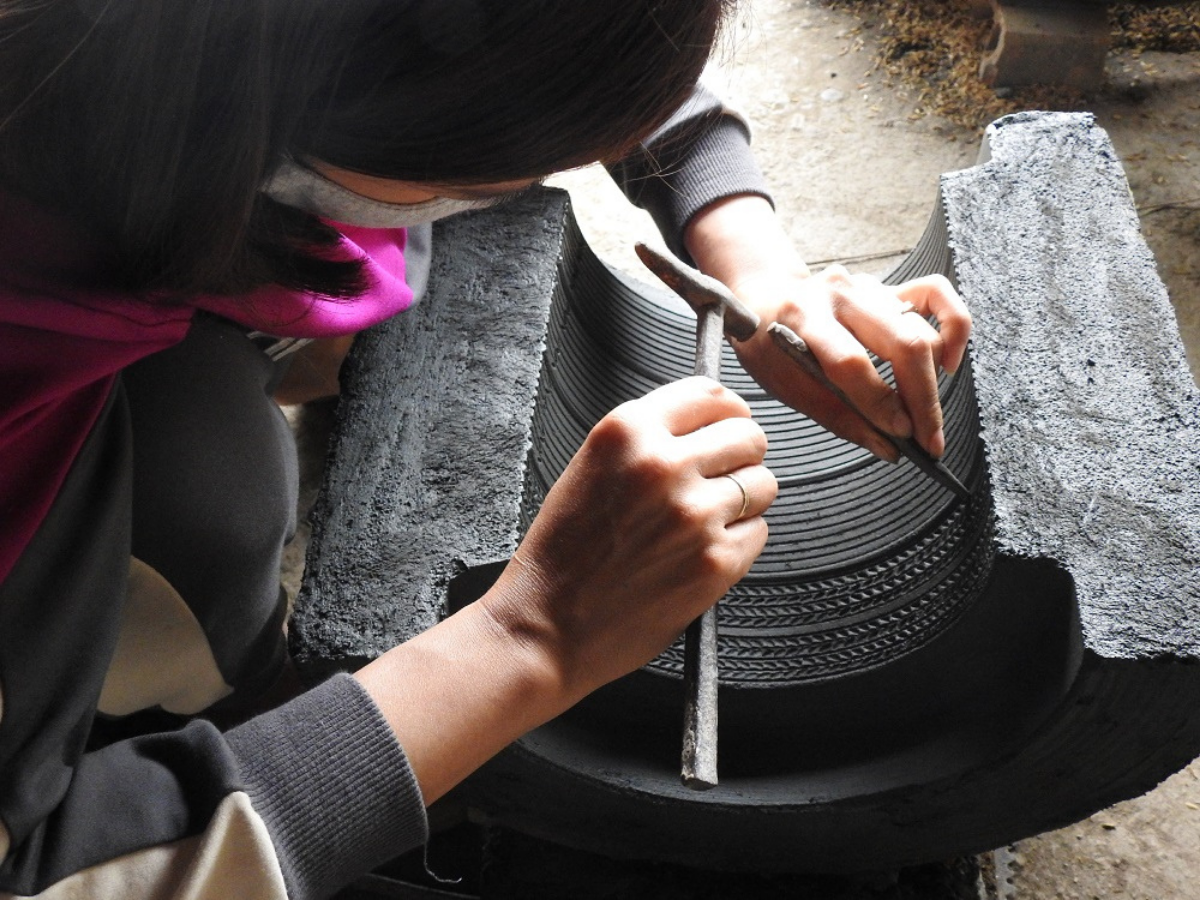
The bronze casting craft in Tra Dong still preserves intact the traditional manual crafting steps. (Source: Collected)
The bronze casting craft in Tra Dong still preserves intact the traditional manual crafting steps, with unique secrets passed down through generations of artisans. The first step is mold creation and application; the type of clay used for the mold is carefully selected and mixed according to a unique local formula. The artisans then knead the clay, meticulously shaping each small detail to ensure the product's form matches the design.
The decoration and engraving process clearly showcases the skill of the artisans of the Tra Dong bronze casting village. They use decorative patterns characteristic of Dong Son culture; every engraving stroke, border, and motif detail is done manually by hand. Each product bears the personal touch of skilled hands, contributing to the artistic and material value of the item.
The firing and pouring stage is considered the most crucial part of the entire process. Bronze is heated until red-hot in traditional clay furnaces; the pouring of bronze requires precise coordination among the artisans. Finally, the product is removed from the mold, carefully finished and polished, creating outstanding bronze works with the distinct character of Thanh Hoa.
3.2. Secrets and creative imprints of the village artisans
The reputation of the Tra Dong bronze casting village is built upon the ability to accurately reproduce the classic Dong Son bronze drum patterns. Artisans in the village are likened to "living libraries" of Vietnamese metalworking art, as they can skillfully recall and recreate hundreds of different pattern styles. The spiral patterns, motifs of birds, animals, and dancing figures all carry symbolic value and deep meaning of the ancient culture.
The transmission of the craft in Tra Dong holds profound significance; it often occurs within family lineages or is passed down to dedicated apprentices. The apprenticeship process is lengthy, starting from simple tasks like preparing materials and observing techniques, to directly performing complex stages under the guidance of elder artisans. Learners need many years of experience to master all the techniques and essence of the craft.
Currently, artisans in Tra Dong have learned to combine tradition with innovation to meet the demands of modern society. In addition to recreating ancient products, artisans also create many new designs suitable for interior decoration and souvenirs, contributing to the preservation and development of the traditional craft in the new context.
4. Heritage value and culture of Tra Dong craft village
4.1. National Intangible Cultural Heritage since 2018
2018 marked a major turning point for the Tra Dong bronze casting village when the bronze casting craft here was recognized by the Ministry of Culture, Sports and Tourism as a National Intangible Cultural Heritage. This title affirms the important position of the craft village in the cultural and historical life of the community, while honoring its significant contributions to the nation's common culture.
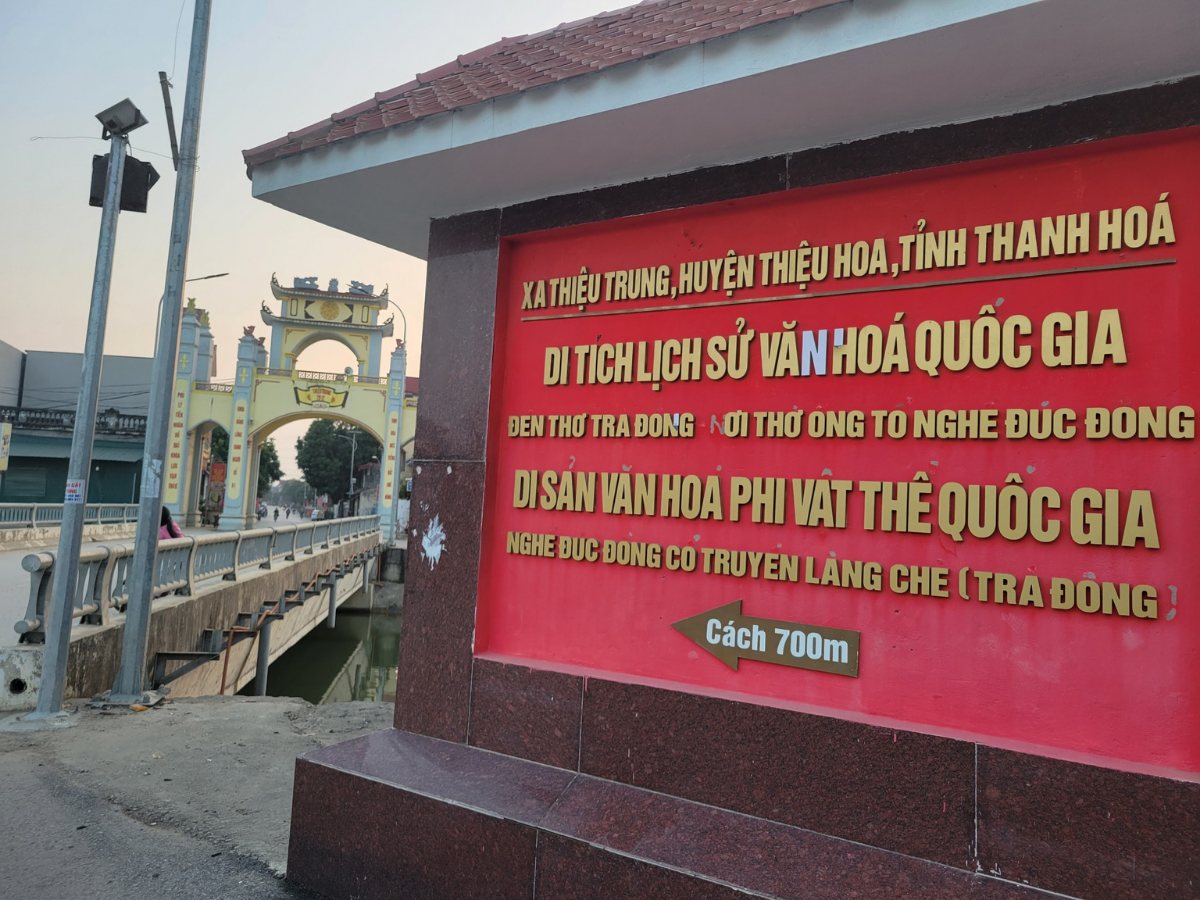
Tra Dong bronze casting village was recognized as a National intangible cultural heritage by the Ministry of Culture, Sports and Tourism. (Source: Collected)
The recognition as heritage brings many significant meanings to the local community and the entire Thanh Hoa province. This is a great encouragement for artisans to continue preserving and promoting the ancient craft, creating momentum for strong development in cultural tourism promotion and activities. This recognition also helps Tra Dong become an attractive destination for researchers and scholars both domestically and internationally, contributing to spreading the value of Vietnam's traditional crafts to international friends.
4.2. Festivals, Ancestor Worship Ceremony - Spiritual Pride
The bronze casting festival and the Ancestor Worship Ceremony at the Tra Dong bronze casting village are held annually, becoming a solemn occasion with many vibrant and meaningful activities. Traditional rituals are solemnly recreated, from the incense offering ceremony at the Khong Minh Khong temple to the bronze casting technique demonstration witnessed by tourists and locals. The sounds of drums and gongs mixed with cheerful laughter create a bustling festival atmosphere.
A special feature of the festival is that elderly artisans directly impart their experience and skills to the younger generation by guiding them through basic practical steps. Visitors can not only observe but also try their hand at some stages, thereby gaining a deeper understanding of the meticulousness and sophistication of the bronze casting craft. The festival becomes a place where the past and present converge, between the local community and friends from all over.
4.3. Bronze Casting Craft and Community Life
The bronze casting craft has become the soul of the Tra Dong bronze casting village, playing an important role in community cohesion. Hundreds of households here have followed the craft for generations, participating from raw material preparation to product manufacturing and consumption. The craft's activities not only provide stable income but also contribute nearly 50% of the commune's budget, significantly promoting local economic and social development.
Besides economic value, the bronze casting craft also holds special spiritual significance for the people of Tra Dong. The long-standing tradition and cultural identity are the pride of every family and every artisan. The locals consider preserving and developing the craft a shared responsibility of the entire community. This pride is always evident in their words, gestures, and dedication when introducing the craft village to visitors from near and far.
5. Tra Dong Bronze Casting Village in the Modern Flow
5.1. Development, Preservation, and Innovation Status
Currently, the Tra Dong bronze casting village has hundreds of families dedicated to the craft, with many generations of artisans succeeding one another. The village's products not only serve domestic demand but are also exported to many other countries.
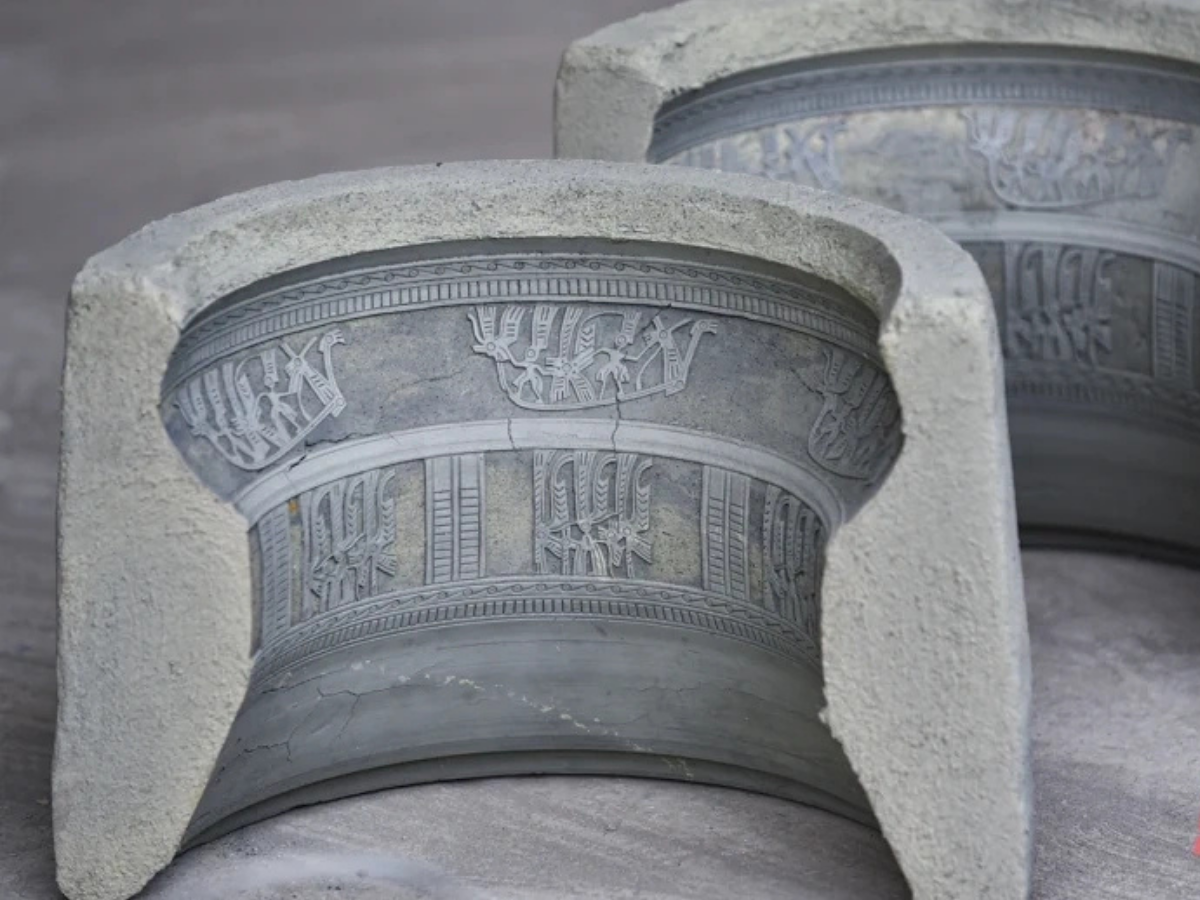
The village's products not only serve domestic demand but are also exported to many other countries. (Source: Collected)
However, Tra Dong bronze casting village is also facing significant challenges with the emergence of cheap industrial products, changing consumer tastes, and a shortage of young people following the craft creating great pressure on the craft village. Some casting foundries had to temporarily cease operations during difficult times, but thanks to the efforts of artisans and the support of the government, the craft village is still gradually recovering and developing.
5.2. New Directions: craft village tourism and creative products
Clearly recognizing its great potential, Tra Dong bronze casting village is gradually building itself into a unique experiential tourism destination. Upon arrival, visitors not only tour, but also directly participate in the mold-making stages, observe the traditional smelting and casting process. These hands-on experiences help visitors gain a deeper understanding of the origins, culture, and skillful techniques of the traditional bronze casting craft.
Artisans of Tra Dong are also continuously innovating in product design. Besides traditional works such as Buddha statues and worship items, the craft village has developed many new product lines for interior decoration and souvenirs for tourists. The combination of old values and modern inspiration brings products that retain traditional identity while fitting modern tastes.
5.3. Connecting with Thanh Hoa's Tourism Ecosystem
With its convenient location, Tra Dong bronze casting village can easily connect with Thanh Hoa's prominent tourist attractions. Visitors can combine a trip to the craft village with spiritual and cultural sites such as Ho Thanh or the Lam Kinh historical site.
Notably, in the future, the Huyen Tich Am Tien project is a new cultural destination being nurtured, promising to add a unique touch to Thanh Hoa's tourism map. Upon completion, it will become an ideal stopover, contributing to enriching visitors' journeys of exploring culture and traditional crafts.
An ideal itinerary could start at Tra Dong in the morning to experience the bronze casting process and learn about the village's history; in the afternoon, visitors can travel to Am Tien, visit spiritual sites, or explore the surrounding natural landscapes. This connection not only enriches the tourist experience but also helps visitors gain a deeper understanding of Thanh Hoa's culture and history through various perspectives.
Tra Dong bronze casting village stands firm as a vibrant symbol of Vietnam's handicraft heritage, a place where the spirit of creativity and perseverance has converged for over 1000 years of history. It is an ideal destination for all types of visitors, from those who love traditional culture to researchers, students, and young people eager to learn about the national heritage. A journey to explore Tra Dong will bring unique experiences, helping everyone feel the eternal value of Vietnamese culture and pride in the ancestral handicraft traditions.