
















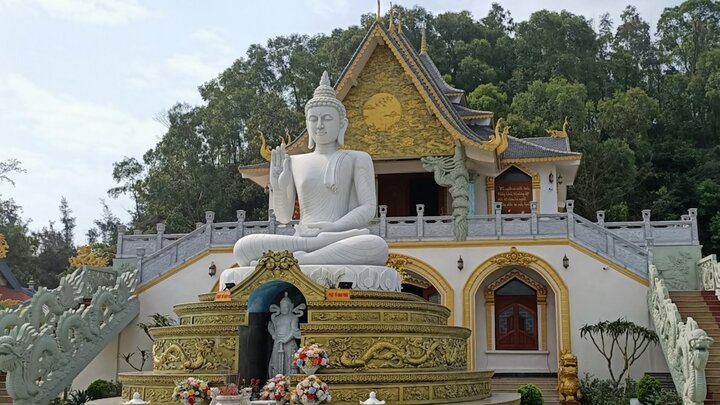
1. Why are the temples in Thanh Hoa an attractive destination for tourists?
Thanh Hoa is a land associated with many important milestones in the nation's history, and also a place that preserves the rich spiritual life of the Vietnamese people. Over time, the spiritual structures here have been preserved and maintained, becoming spaces with profound spiritual value. It is the intersection of history, culture, and beliefs that has created a special attraction, making many tourists eager to learn and experience.
Besides historical factors, the worship spaces in Thanh Hoa also impress with their ancient architecture, solemn atmosphere, and rare sense of tranquility. Each visit is not just a sightseeing journey but also an opportunity to worship, pray for peace, and find inner peace. As a result, the temples in Thanh Hoa are increasingly becoming familiar destinations for trips combining cultural and spiritual exploration.
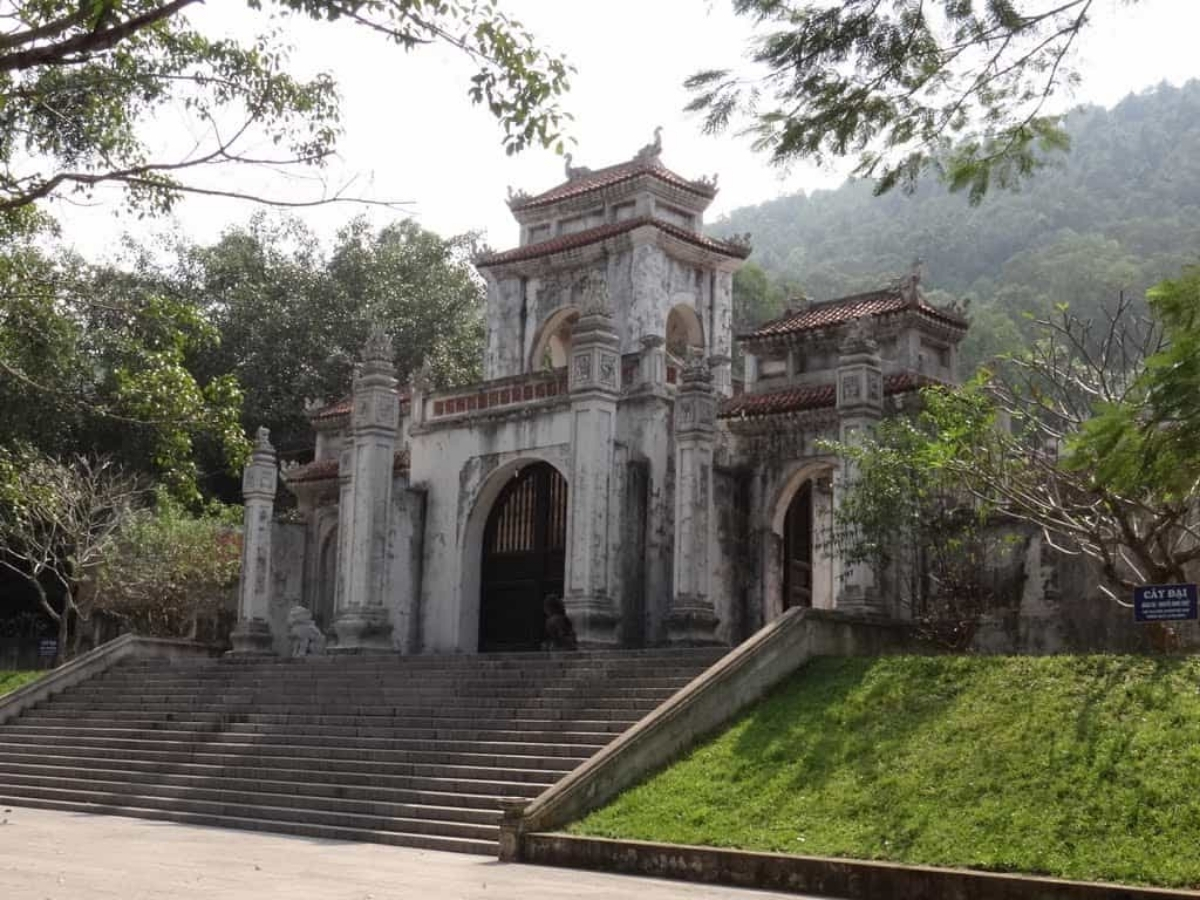
Temples in Thanh Hoa are destinations that attract a large number of visitors each year. (Source: Collected)
2. Top sacred temples in Thanh Hoa
2.1. Cua Dat Temple
Cua Dat Temple is one of the large-scale and prominent spiritual works in the western region of Thanh Hoa. The temple was built to commemorate Cam Ba Thước, an important general in the Can Vuong movement in Thanh Hoa in the late 19th century. He made great contributions to protecting his homeland, helping the people, and fighting against the French colonialists. Although he sacrificed at a very young age, only 37 years old in 1895, his image and contributions are always remembered and respected by the people.
Besides, this place also worships Ba Chua Thuong Ngan, a saint believed to be born during the Tran Dynasty and associated with stories of saving common people and protecting forests and mountains. To express their gratitude and respect, the local people built two temples, which have become important places for religious activities during Tet holidays and the beginning of the new year. Thanks to its deep historical and spiritual value, this place is always on the list of temples in Thanh Hoa that attract a large number of visitors from all over.
2.2. Song Son Temple
Song Son Temple, also known as Sung Tran Temple, is one of the ancient and famous spiritual works in Thanh Hoa. The temple was built during the Canh Hung period, under the reign of King Le Hien Tong from 1740 to 1786. According to legend, an old man planted a dry bamboo stick in the land of Co Dam village and prayed that if the stick sprouted and grew well, a temple would be built there to worship Princess Lieu Hanh. A miracle occurred when the dry bamboo stick unexpectedly took root and sprouted, considered a rare sacred sign.
It was from this event that Song Temple was built and became a place to worship Saint Mother Lieu Hanh, one of the important saints in Vietnamese folk beliefs. Annually, the main festival of the temple takes place on the 26th day of the 2nd lunar month, which is also the day of Saint Mother's manifestation and sainthood, attracting a large number of people and visitors from all over. Today, the temple is not only a familiar place for religious activities but also one of the temples in Thanh Hoa chosen by many tourists to visit, especially during the festival season when the atmosphere becomes more solemn and bustling.
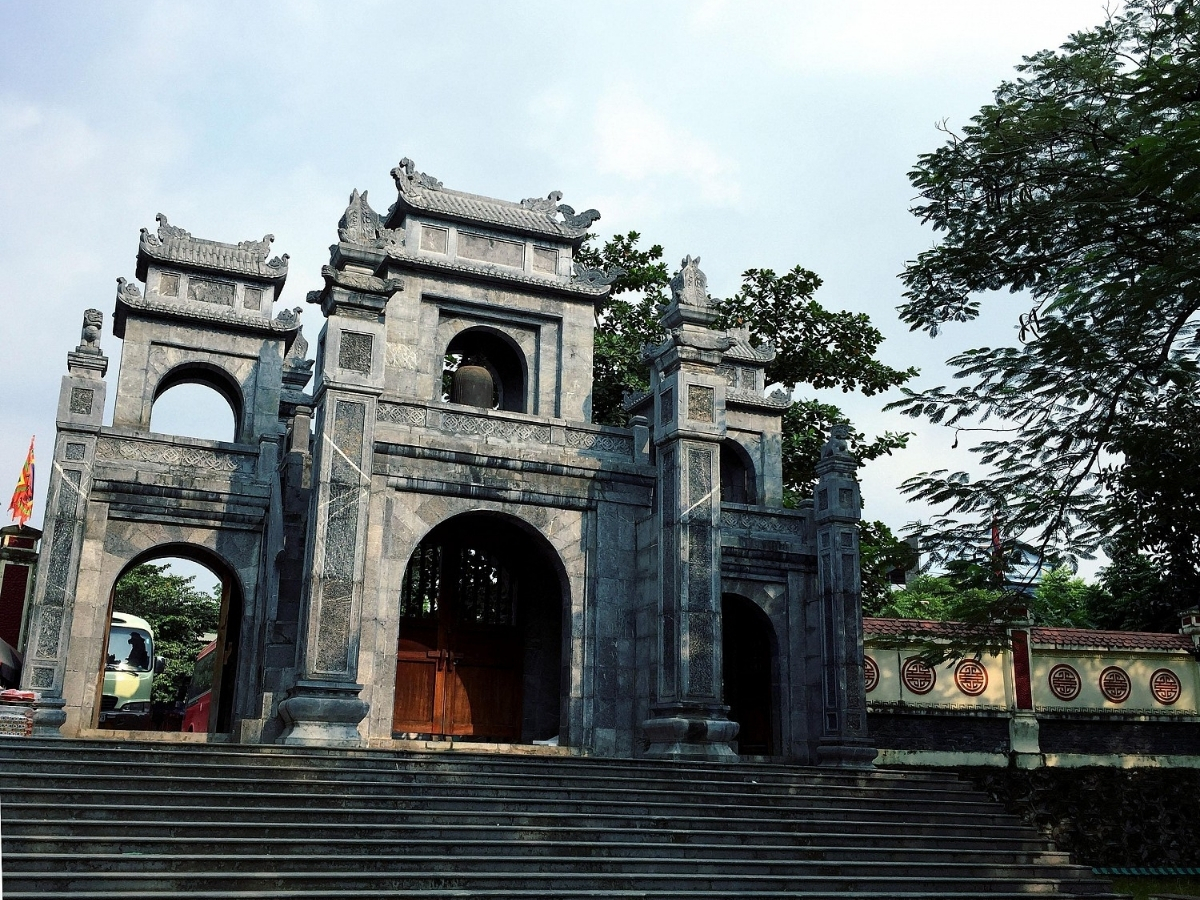
Song Son Temple is associated with the worship of Saint Mother Lieu Hanh. (Source: Collected)
2.3. Doc Cuoc Temple
Doc Cuoc Temple is a prominent spiritual site located on the summit of Co Giai mountain, within the Truong Le mountain range, right near the Sam Son beach area. The temple was built during the Tran Dynasty and has undergone numerous renovations through historical periods. From the foot of the mountain, visitors will follow about 40 stone steps to reach the temple, and while ascending, they can gaze at the sea and the surrounding natural landscape, creating a solemn yet airy atmosphere.
The temple worships the god Doc Cuoc, a deity with a unique appearance, depicted in a wooden statue with only one arm and one leg, associated with stories of protecting the people and the sea. Behind the temple is Mon Lau, a wooden structure built in 1863, which completes the ancient architectural complex here. With its special historical and cultural values, Doc Cuoc Temple was ranked as a National Historical Relic by the Ministry of Culture and Information of Vietnam in 1962, becoming one of the temples in Thanh Hoa that attracts a large number of tourists for visits and worship.
2.4. Co Chin Gieng Temple
Co Chin Gieng Temple is a familiar spiritual destination associated with the Mother Goddess worship in the Thanh region. The temple worships Co Chin, a Fairy Lady believed to possess many magical powers according to the Song Mother worship, famous for her highly accurate fortune-telling abilities. According to folk beliefs, Co Chin's predictions are always accurate, bringing great faith and respect from the people and visitors from all directions.
Besides, Co Chin is also rumored to have vast divine powers, capable of punishing wrongdoers and protecting the kind-hearted. The ancient king ordered the construction of a temple here in Thanh Hoa. In front of the temple are nine natural wells believed to be managed by Co Chin, creating a unique characteristic for the worship space. Due to its location only about 1 km from Song Temple, this place is convenient for combined visits, becoming one of the temples in Thanh Hoa that attracts a large number of tourists for worship and exploration of folk beliefs.
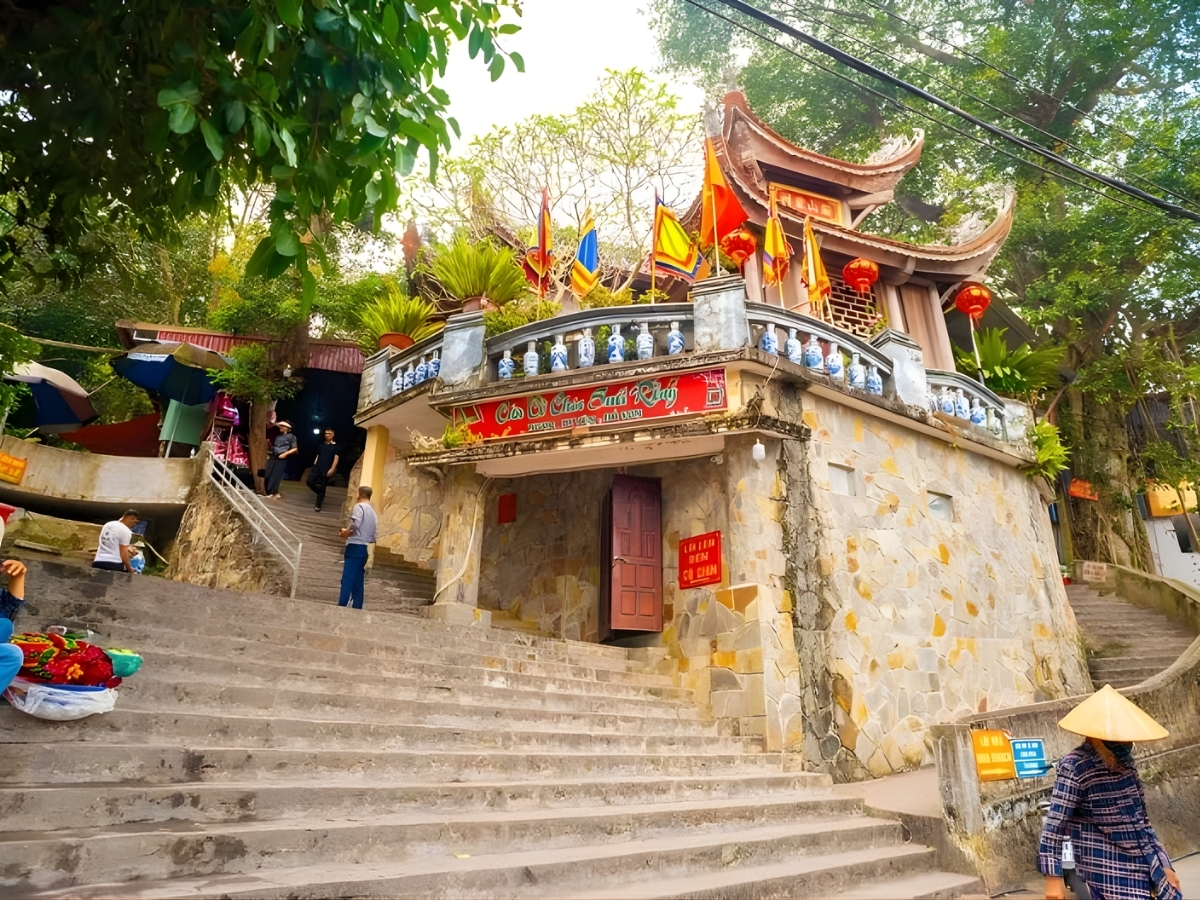
Co Chin Gieng Temple is a familiar spiritual destination associated with the Mother Goddess worship. (Source: Collected)
2.5. Co Tien Temple
Co Tien Temple is located in the southwest, on top of a rock formation shaped like an elephant's head at the end of the Truong Le mountain range, a position of special significance in the folk toponymy system. The elephant's head area is considered the fifth location in the series of sacred areas, contributing to the spiritual and feng shui value of the temple. The elevated location and the surrounding natural scenery create a sense of tranquility, separate from the outside pace of life.
Not only does it possess ancient beauty with thousands of years of history, but this place is also associated with many fascinating legends passed down through generations. Mysterious ancient tales, along with the solemn atmosphere, make each visit more profound and memorable. The combination of scenery, architecture, and legendary elements has helped the temple become one of the temples in Thanh Hoa chosen by many tourists who want to explore the culture and beliefs of this land.
2.6. Temple dedicated to Le Lai
The temple dedicated to Le Lai is a spiritual destination rich in historical significance, often combined by tourists with a visit to the Lam Kinh historical site. The temple is associated with Trung Tuc Vuong Le Lai, a talented general of the Lam Son uprising. In the critical moment when the forces were surrounded by the enemy, he disguised himself as Le Loi and bravely sacrificed himself to preserve the forces, contributing significantly to the victory of the uprising. That selfless act has become a noble symbol of loyalty and patriotism.
To commemorate that great contribution, Le Loi had a temple built in Tep village, the hometown of Le Lai, and ordered his death anniversary to be held one day before his own. After many renovations, the temple today has a magnificent and solemn appearance and has become an important place of worship for the local people. Besides the death anniversary on the 21st day of the 8th lunar month, the temple festival is also held on the 8th day of the first lunar month annually, attracting numerous visitors from all directions to offer incense, pay homage, and learn more about one of the temples in Thanh Hoa rich in historical and traditional values.
After visiting the spiritual sites, tourists can combine their trip with exploring other prominent destinations in Thanh Hoa to make the trip more complete. Notably, Sam Son beach square with its vast, modern, and vibrant space is very suitable for strolling and taking photos. Besides, Ho Dynasty Citadel carries special historical value, Pu Luong tourist area impresses with its lush green mountain and forest scenery, or Ben En National Park with its large lake and pristine nature are also ideal suggestions. Combining visits to diverse locations will help tourists better appreciate the rich beauty of Thanh Hoa, from culture, history to nature and modern life.
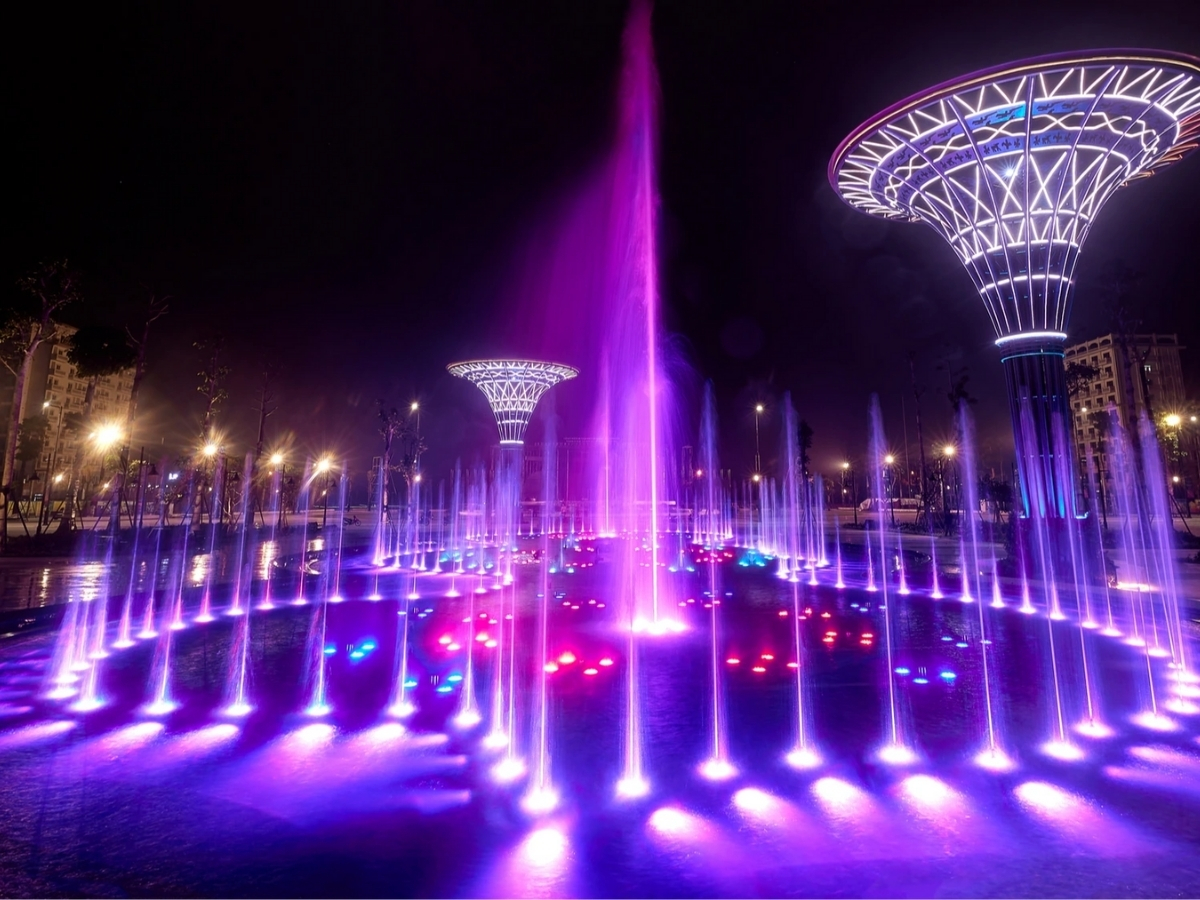
Sam Son Sea Square with a spacious and modern atmosphere. (Source: Bao Thanh Nien)
The journey to explore the Thanh Hoa region will become more meaningful by spending time visiting spiritual spaces rich in historical and cultural values. Each stop not only brings a sense of solemnity and purity but also helps visitors understand more about the traditions and spiritual life of the local people. If you are looking for a trip that offers both cultural depth and a chance to calm your soul, don't miss the opportunity to explore temples in Thanh Hoa to fully experience the sacred and peaceful beauty of this land.