














1. What is the Poon Poong Festival?
Within Vietnam's cultural heritage, the Poon Poong Festival of the Muong ethnic group in Thanh Hoa is likened to a distinctive touch carrying the breath of the Northwest mountains. This festival has ancient origins, associated with the epic "De Dat, De Nuoc" and many unique folk legends, focusing on dance and performance rituals around the bong tree, the sacred symbol and central art of the ritual.
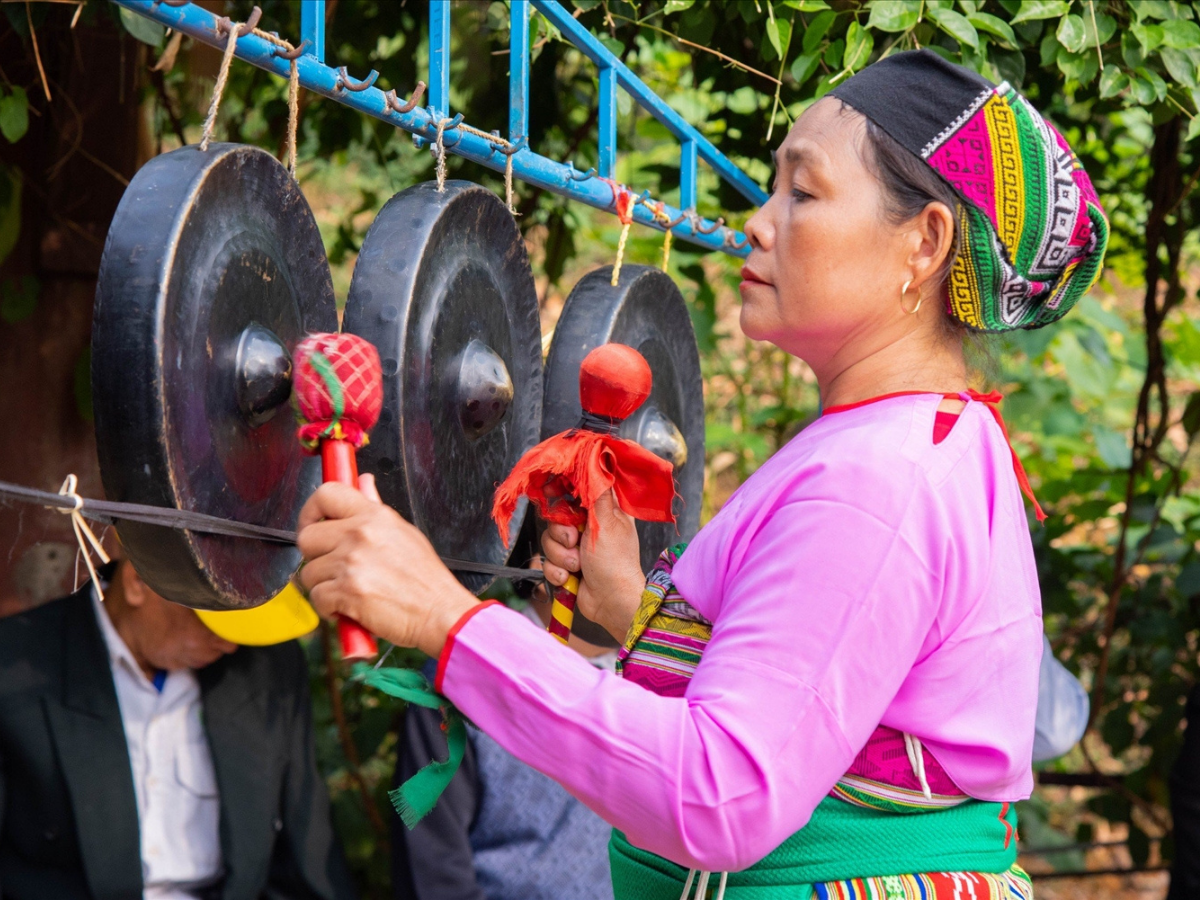
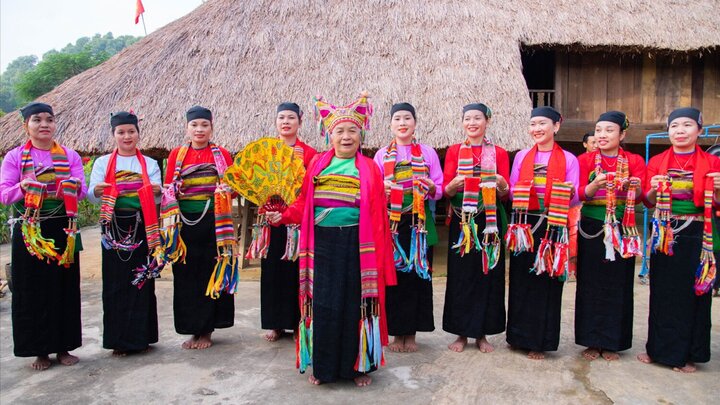
The Pôồn Pôông festival of the Muong ethnic group in Thanh Hoa is likened to a touch of the Northwest mountains. (Source: Collected)
In 2017, the performances in the Pôồn Pôông festival were ranked as a National Intangible Cultural Heritage by the Ministry of Culture, Sports and Tourism. This affirms its unique traditional value, while also opening up opportunities for domestic and international tourists to learn about a part of the precious heritage of the Muong people.
The Pôồn Pôông festival is not just about joyful activities, but also an important occasion for the community to place their faith in the gods, praying for prosperous harvests, a warm, and fulfilling life. It is also a unique bridge connecting generations, contributing to preserving and promoting cultural traditions, while awakening the profound humanistic values of the Muong community.
2. Time and Location of the Pôồn Pôông Festival
2.1. When does the Pôồn Pôông Festival take place?
Traditionally, the Pôồn Pôông festival is held on the full moon of the first, third, and seventh lunar months annually. Each timing of the festival carries a meaning associated with the rhythm of agricultural life and the spiritual life of the Muong people.
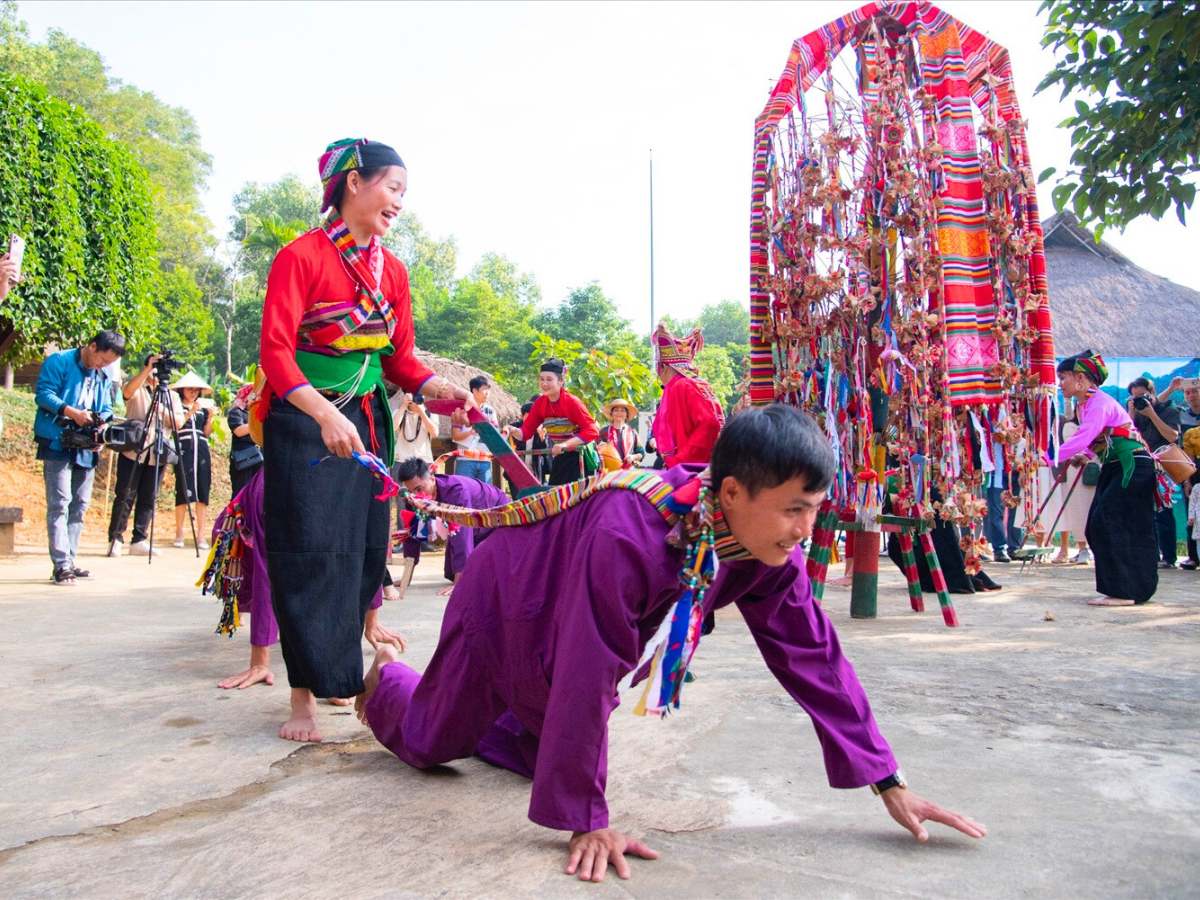
The festival is held on the occasions of the full moon of January, March, and July annually. (Source: Collected)
The selection of these festival occasions is based on observations of the community's agricultural production cycles. The full moon of January marks the beginning of the new year, the full moon of March coincides with the rice seedling season, and the full moon of July is the rice harvest time. Each festival stage conveys wishes for a favorable harvest, suitable weather, and a peaceful life for the entire community.
2.2. Where is the Po'on Po'ong Festival held in Thanh Hoa?
The Po'on Po'ong Festival is organized by the Muong people in many mountainous areas such as Ngoc Lac, Thuong Xuan, Ba Thuoc, Lang Chanh, and Thach Thanh with varying scales. Among them, Cao Ngoc commune in Ngoc Lac district is known as the place where the festival is held on a large scale, fully recreating traditional rituals.
Thanks to the convenient geographical location, the festival locations facilitate tourists to combine cultural exploration with prominent destinations in Thanh Hoa. Tourists can combine visits to Sun World Sam Son or follow information about the upcoming Huyen Tich Am Tien project, offering diverse experience options when visiting this land.
3. The meaning of the name and characteristic symbols of the Po'on Po'ong Festival
3.1. The meaning of "Po'on Po'ong" in Muong culture
Understanding the meaning of the name will help to better understand the Po'on Po'ong Festival . In the Muong language, "Po'on" signifies joyfulness, dancing, and playing, associated with the lively atmosphere of the festival. "Po'ong" means flower, symbolizing natural beauty, purity, and strong vitality.
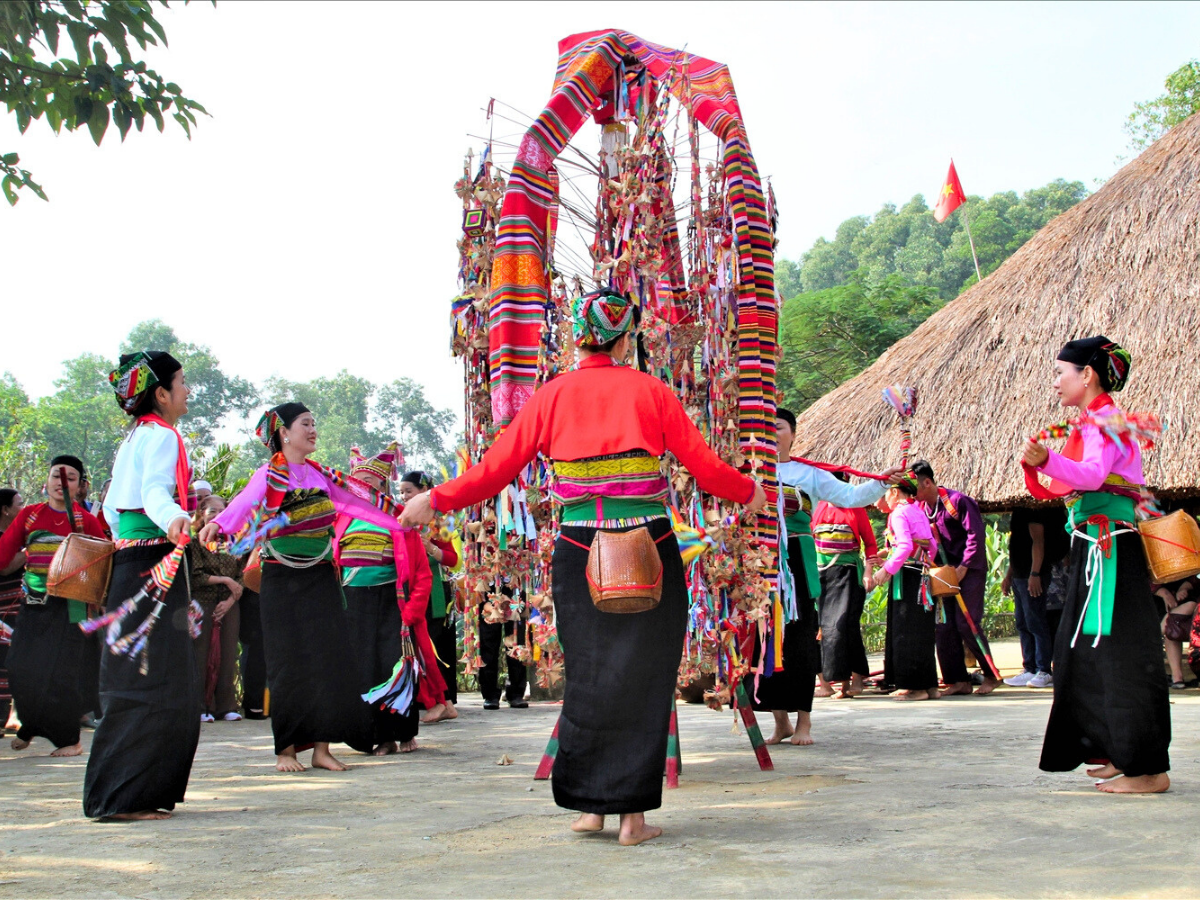
"Poon Poong" means "dancing with flowers", emphasizing love for nature and the aspiration for a bright life. (Source: Collected)
Together, "Poon Poong" means "dancing with flowers", a poetic image emphasizing love for nature and the aspiration for a bright life. The dance around flowers is also the main feature of the festival, reflecting the desire for peaceful living, harmony between humans, nature, and the divine.
3.2. The Flower Tree - The soul and center of the Poon Poong festival
Speaking of the Poon Poong festival, one cannot fail to mention the flower tree - a sacred symbol and the focal point of all rituals. The flower tree is made from a bamboo trunk about 3 meters high, with 5 or 7 tiers of flower clusters made from balsa wood or light materials, dyed in many colors such as green, red, purple, yellow, creating a scene that is both vibrant and solemn.
Between the flower tiers are models of birds, production tools, and labor achievements, symbolizing abundance and the creative spirit of the Muong people. The flower tree is like a miniature image of the natural world, where all things harmonize, carrying the meaning of connection between the divine and the villagers, while also conveying hope for a strong bond between humans and nature, as well as inviting ancestors to join in the joy with their descendants.
4. Structure and main rituals of the Poon Poong festival
4.1. The ceremony: Rituals of worship and prayer for a good harvest
The festival begins with a ritual of reporting to the deities performed by Au May (the officiant). The community members prepare traditional offerings such as five-colored sticky rice, fragrant fermented rice wine, boiled chicken, grilled fish, chewy gai cakes, along with many specialty dishes to offer at the altar placed next to the flower tree.
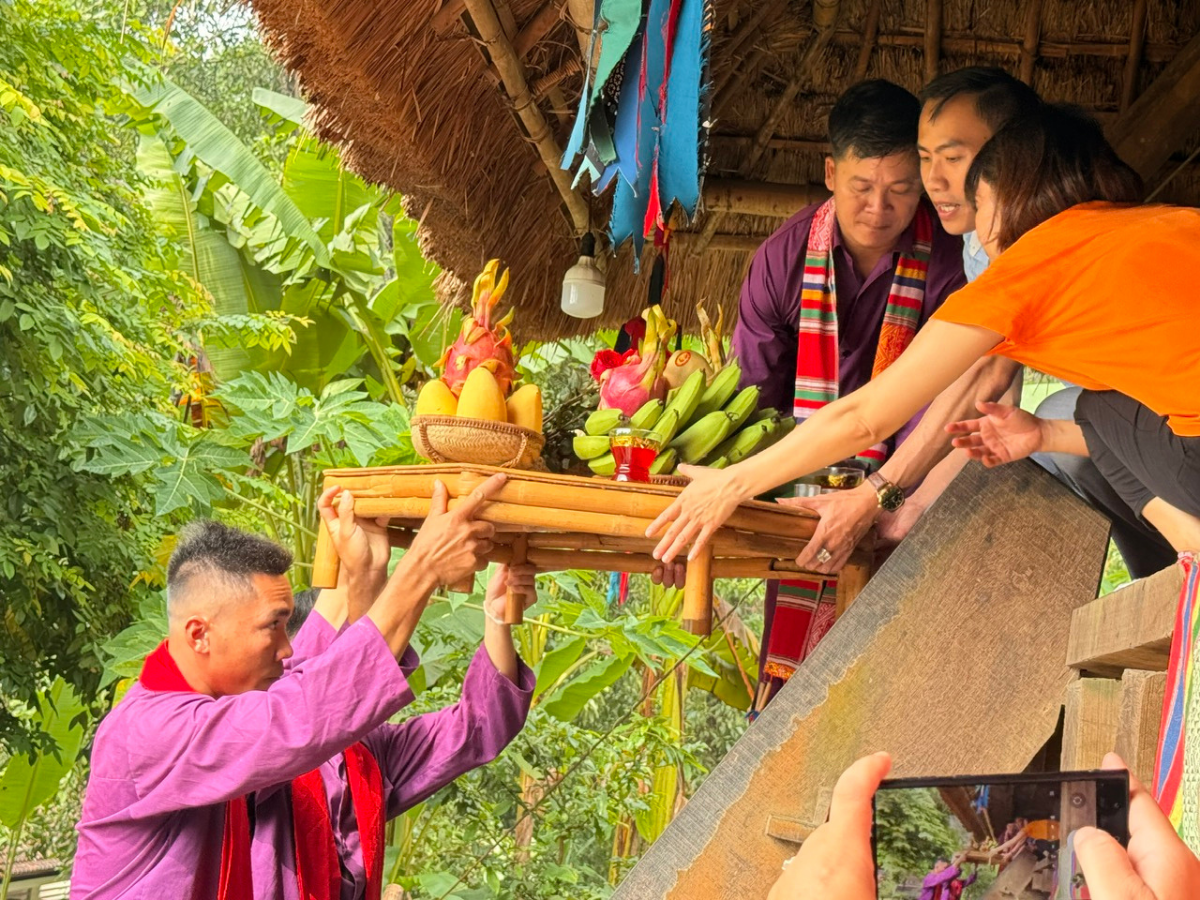
People prepare traditional offerings to place on the altar next to the flower tree. (Source: Collected)
The prayers are recited with a respectful tone, conveying wishes for favorable weather, abundant harvests, and peaceful lives for everyone in the village. The ceremony is an occasion to express deep gratitude to heaven and earth, deities, and ancestors, while also strengthening the spiritual connection among community members and reinforcing faith in protection for a bright future.
4.2. Festival Part: 42 unique folk performance games
After the solemn ceremony, the atmosphere of the Poọn Poong festival becomes lively with 48 vibrant folk performance games. Notable games include land division, water division, house building, rice planting, field clearing, plowing, hunting, fishing, buffalo fighting, cockfighting, rice cooking, sticky rice cooking, and the dam communal meal, all recreated authentically and vividly.
Depending on the locality, the number of performances may vary. These performances not only reflect the daily life, labor, production, and traditional rituals of the Muong people but also emphasize the role of the entire community in building the village. Thus, visitors have the opportunity to clearly feel the spirit of solidarity, creativity in labor, and pride in their homeland through each performance.
5. Practical Experience and Travel Suggestions for the Poọn Poong Festival
5.1. Guide to Attending the Poọn Poong Festival for Tourists
When participating in the Poọn Poong festival , visitors should choose traditional attire or simple clothing suitable for the sacred space and local culture. It is important to maintain order in the ceremony area, avoid disturbing the rituals, and only join the dance around the flower tree when invited by the community.
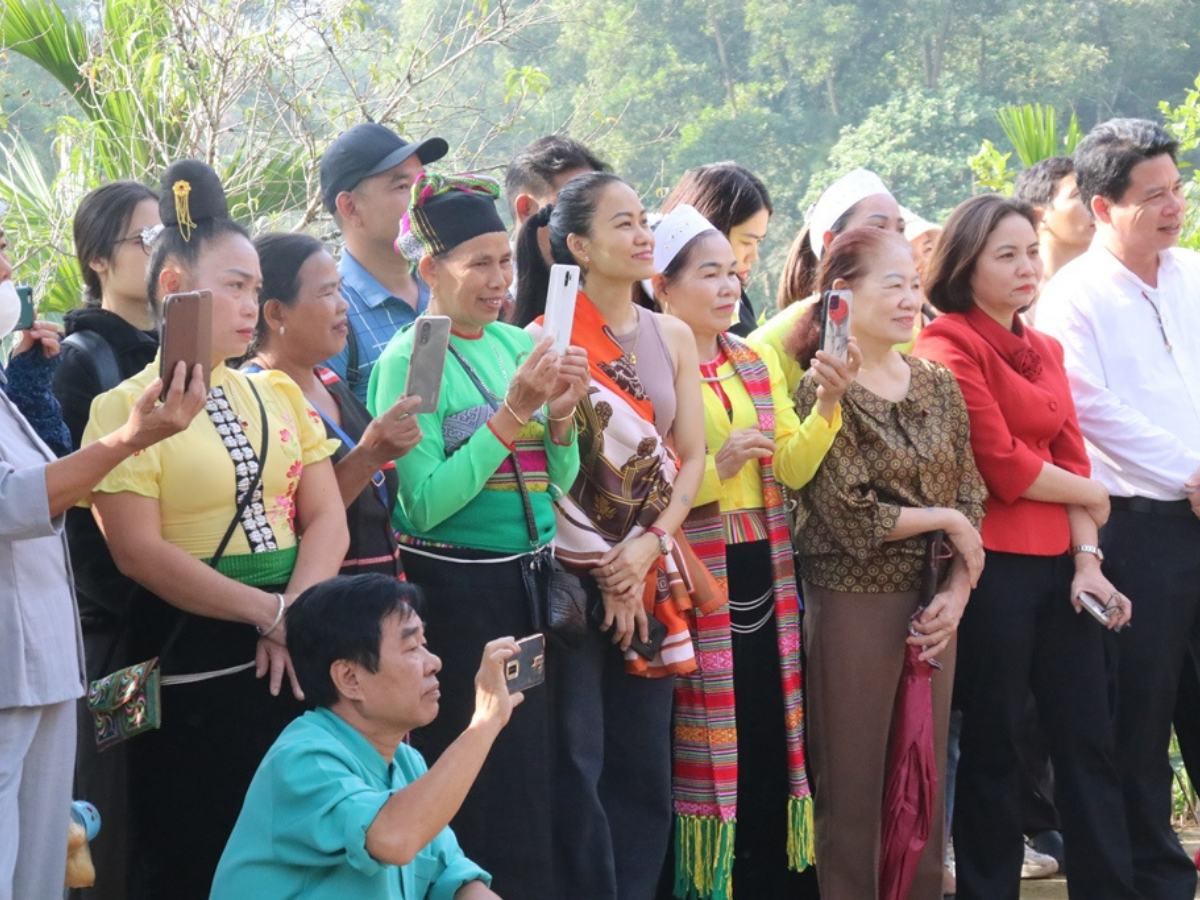
Visitors should choose traditional or modest attire, suitable for the sacred space and local culture. (Source: Collected)
To fully enjoy it, it is recommended to arrive early in the morning or stay overnight to feel the warm, communal atmosphere of the festival. Especially memorable moments often occur in the dancing circle area, around the vibrant flower tree, and among groups performing folk games. In addition, enjoying traditional cuisine with local specialties and rượu cần (rice wine) will help visitors gain a deeper insight into the Muong culture of Thanh Hoa.
5.2. Combining Experiences with Thanh Hoa's Outstanding Destinations
In the coming time, the Thanh Hoa region will have the planned Huyen Tich Am Tien spiritual project, contributing to adding more highlights to cultural and spiritual tourism in Thanh Hoa. Although this project has not yet opened to visitors, tourists can follow the latest information to plan future visits.
By participating in the Poon Poong festival, visitors have the opportunity to enjoy many local specialties such as cool uoi soup, bitter soup with mountain forest aroma, five-colored sticky rice, fragrant smoked meat hung over the kitchen stove, and traditional rượu cần (rice wine). These flavors not only satisfy the palate but also bring a sense of immersion into the life and soul of the Muong people here.
The Poon Poong festival is not only a cultural event but also a gateway to the rich spiritual world of the Muong people of Thanh Hoa. With unique performances centered around the sacred flower tree, the festival offers a unique cultural experience, connecting visitors with precious traditional values. Come and feel the special attraction of this intangible cultural heritage, while contributing to preserving and spreading national cultural values.