
















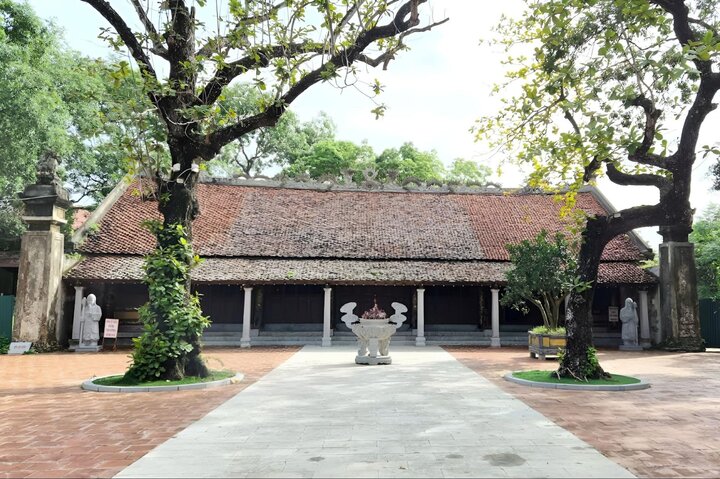
1. Overview of the Later Lê Dynasty Temple – A Historical Symbol in Thanh Hoa
In the heart of bustling Thanh Hoa, a serene space emerges, shaded by ancient trees over 200 years old. The Later Lê Dynasty Temple is not just an architectural work but also a vivid testament to a glorious period of the Later Lê Dynasty. Every brick, every ironwood pillar here is imbued with stories of wise kings and founding officials.
1.1. Geographical Location: Detailed Address in Hac Thanh Ward
The Later Lê Dynasty Temple is located on Kieu Dai street, Thanh Hoa province. This location is convenient for travel and connection to the main roads in the center. Visitors can easily find the relic thanks to clear signposts along the way. The space around the relic still retains its tranquility amidst the urban rhythm, creating a feeling of stepping into an unfolding historical page.
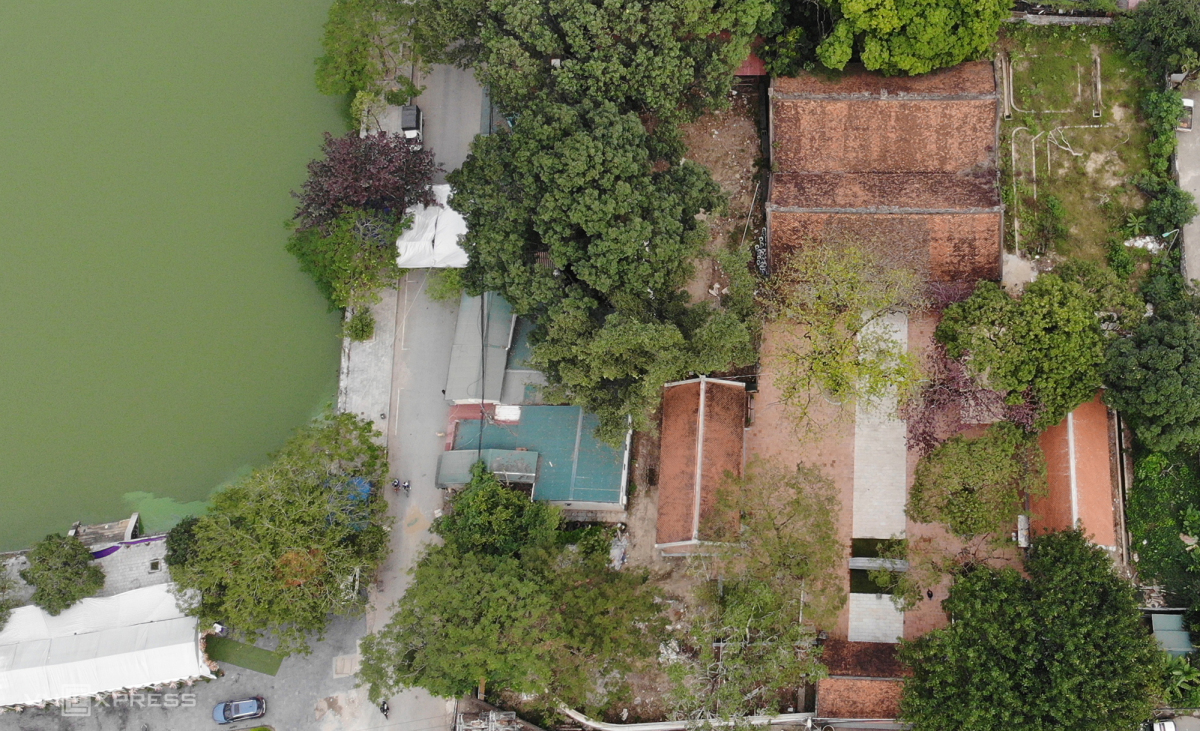
Panoramic view of the Royal Temple of the Later Lê Dynasty by the cool blue lake, in the heart of Thanh Hoa. (Source: Collected)
1.2. Overview of the relic: Area, surrounding landscape, location within the city
The grounds of the Royal Temple of the Later Lê Dynasty are shaded by lush trees, creating a solemn and tranquil space. The main structures include the Nghinh Mon gate, a screen wall, the main hall courtyard, the left wing, the right wing, and the main sanctuary arranged along a vertical axis. Located in the heart of the city, the relic retains its original ancient charm with rows of lacquered and gilded wooden pillars. Currently, areas such as the courtyard, well, and lotus pond are being renovated to better serve preservation and tourism.
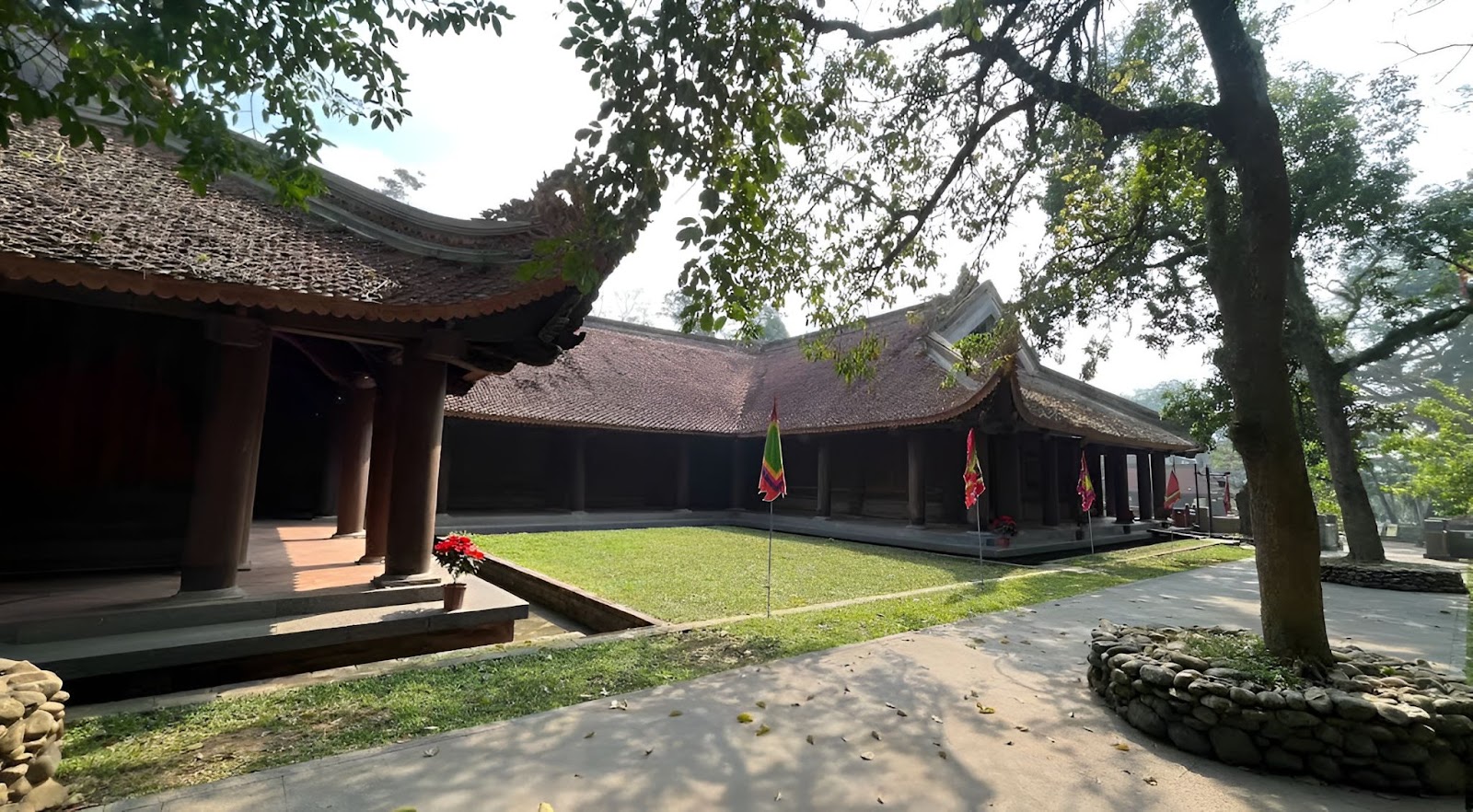
The ancient grounds of the Later Le Royal Ancestral Temple (Thai Mieu nha Hau Le) – a tranquil space preserving the historical imprints of Thanh Hoa. (Source: Collected)
1.3. Significance: Role in community consciousness, national-level historical value recognized
In 1995, the Later Le Royal Ancestral Temple (Thai Mieu hau Le) was recognized by the State as a national historical and artistic relic. This is where descendants pay their respects to the emperors of the Later Le Dynasty, a place preserving the spiritual cultural values characteristic of the nation. For the people of Thanh Hoa, the relic is a sacred symbol, connecting the past and the present. Each time visitors come here, they not only admire the ancient architecture but also feel the historical stature that previous generations have built.
2. History of the formation and development of the Later Le Royal Ancestral Temple
2.1. Origin and initial construction phase
The beginning of the Later Le Royal Ancestral Temple (Thai Mieu hau Le) is linked to Lam Kinh, Thanh Hoa, around the year 1428 during the reign of Le Thai To. Lam Kinh was chosen because it was the land of King Le Loi's uprising, a place that marked glorious victories in the Lam Son uprising. The temple was initially built to worship the ancestors of the royal family, affirming the dynasty's origin and legitimacy. The location of Lam Kinh not only held geographical significance but also fully embodied the aspiration of the early kings to preserve their roots.
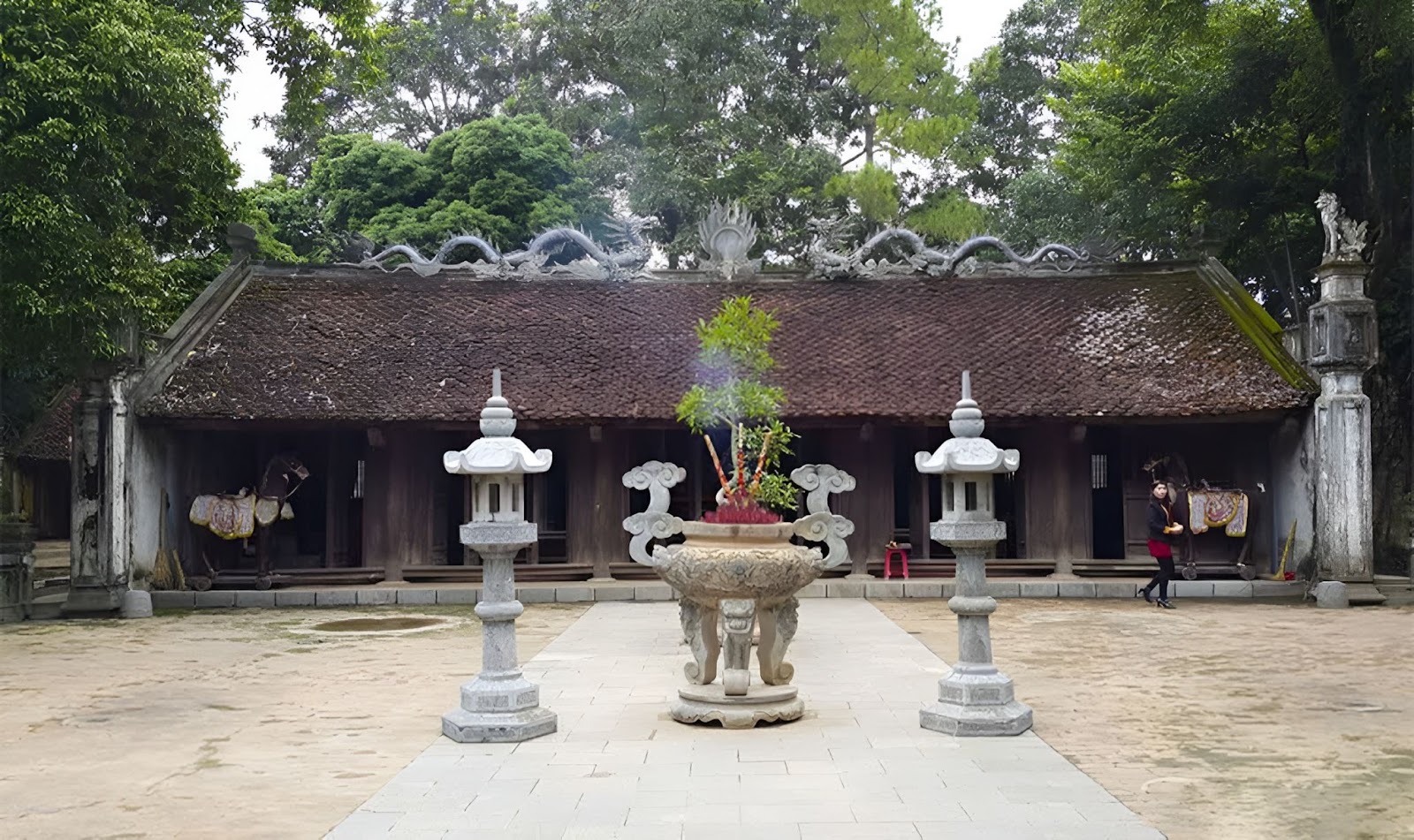
The main courtyard space of the Later Hau Le Dynasty Royal Temple with ancient, solemn architecture. (Source: Collected)
2.2. Relocation process and major restoration periods
After Lam Kinh suffered a fire, the Later Hau Le Royal Temple was moved to Thang Long, a place called Hoang Duc. In 1805, during the 4th year of Emperor Gia Long's reign, the temple was relocated to Bo Ve. This decision stemmed from the desire to connect the relic with the Le dynasty's uprising homeland, while also facilitating long-term preservation. Over centuries, the relic has undergone numerous restorations but has retained its original architectural features. In 1995, the Later Hau Le Royal Temple was officially recognized as a national historical and cultural relic. Recently, projects to preserve the main courtyard, screen wall, left wing, right wing, well, and lotus pond have commenced, promising a more complete space for visitors.
2.3. Role under various dynasties and in Vietnamese history
The Later Hau Le Royal Temple was once the site for national ritual activities, collectively worshipping the kings of the Later Hau Le Dynasty, queens, empress dowagers, Trieu To, Hien To, along with princes and high-ranking officials. Notably, the temple also honors the contributions of renowned officials such as Nguyen Trai and Le Lai, who dedicated their lives to the founding cause. Through many dynasties, the relic has maintained its role in connecting history across periods, serving as a record of the nation's brilliant milestones. Standing in this solemn space, visitors can easily feel the reverence that Vietnamese people hold for their ancestors.
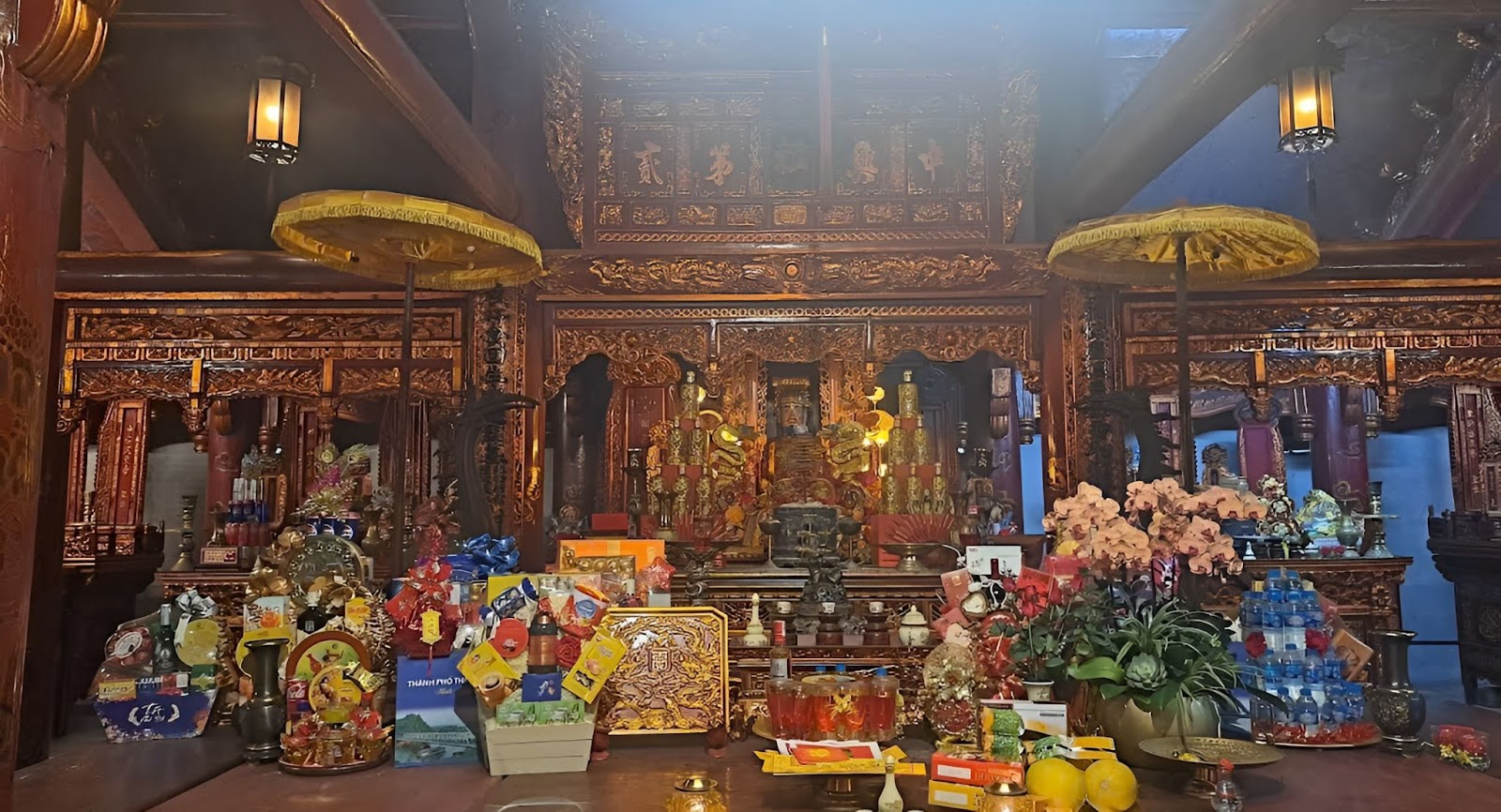
Solemn worship space inside the Hậu Lê Dynasty's Royal Temple, rich in the architecture and culture of the Lê Dynasty. (Source: Collected)
3. Characteristic architecture and outstanding structures within the Hậu Lê Dynasty's Royal Temple
3.1. Overall architecture in the style of the Hậu Lê and Nguyễn dynasties
The architecture of the Hau Le Dynasty's Royal Temple bears the strong imprint of the Hậu Lê and Nguyễn styles, with a harmonious blend of artistry and spiritual value. The structure is arranged in a 'trùng thiềm' layout resembling the Chinese character '二', consisting of 7 bays, with roofs covered by horse-nose shaped tiles, and the roof ridge decorated with two dragons worshipping the moon. The entire main truss frame is crafted from ironwood, with columns placed on sturdy stone slabs ensuring durability over time. The purlin system is tightly connected, demonstrating the high construction skill of ancient people. From the Nghinh Mon gate, the courtyard, to the front and rear halls, each structure is arranged along a vertical axis, creating a majestic and harmonious space.
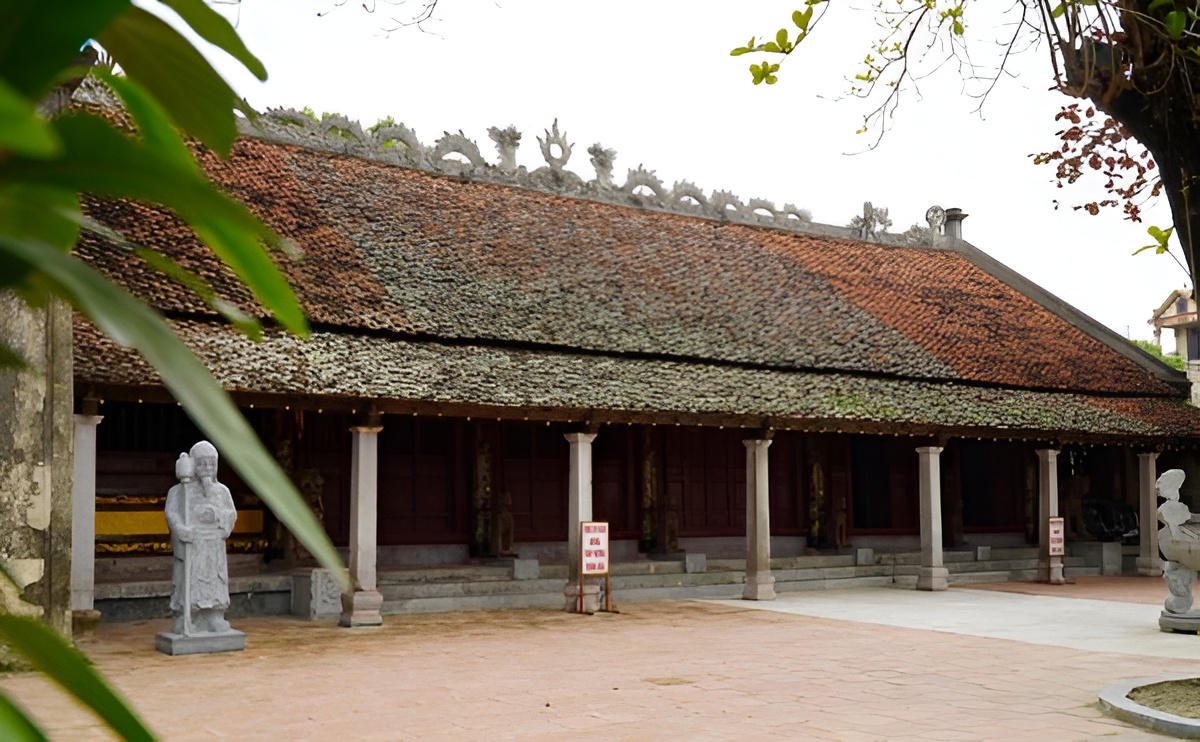
The 7-bay architecture of the Later Le Dynasty's Royal Temple – a typical characteristic of traditional Le Dynasty architecture. (Source: Collected)
3.2. The Front Hall and its Unique Highlights
The Front Hall of the Later Le Dynasty's Royal Temple consists of 7 bays, with the most prominent feature being two flanking pillars, 6 meters high, in the front, intricately carved with artistic motifs from the 17th century. These are masterpieces of ancient sculptural art, preserved almost intact through hundreds of years. The system of altars for meritorious officials is solemnly arranged, with the memorial tablet of Le Lai on the left and Nguyen Trai on the right. The central bay hangs the horizontal lacquered board "Nam Quoc Son Ha Tu Thu", gifted by King Gia Long in 1805, affirming the temple's status. Furthermore, this place also preserves many precious artifacts such as wooden 'nghê' sculptures from the 17th century, serving as valuable material for cultural and artistic research.
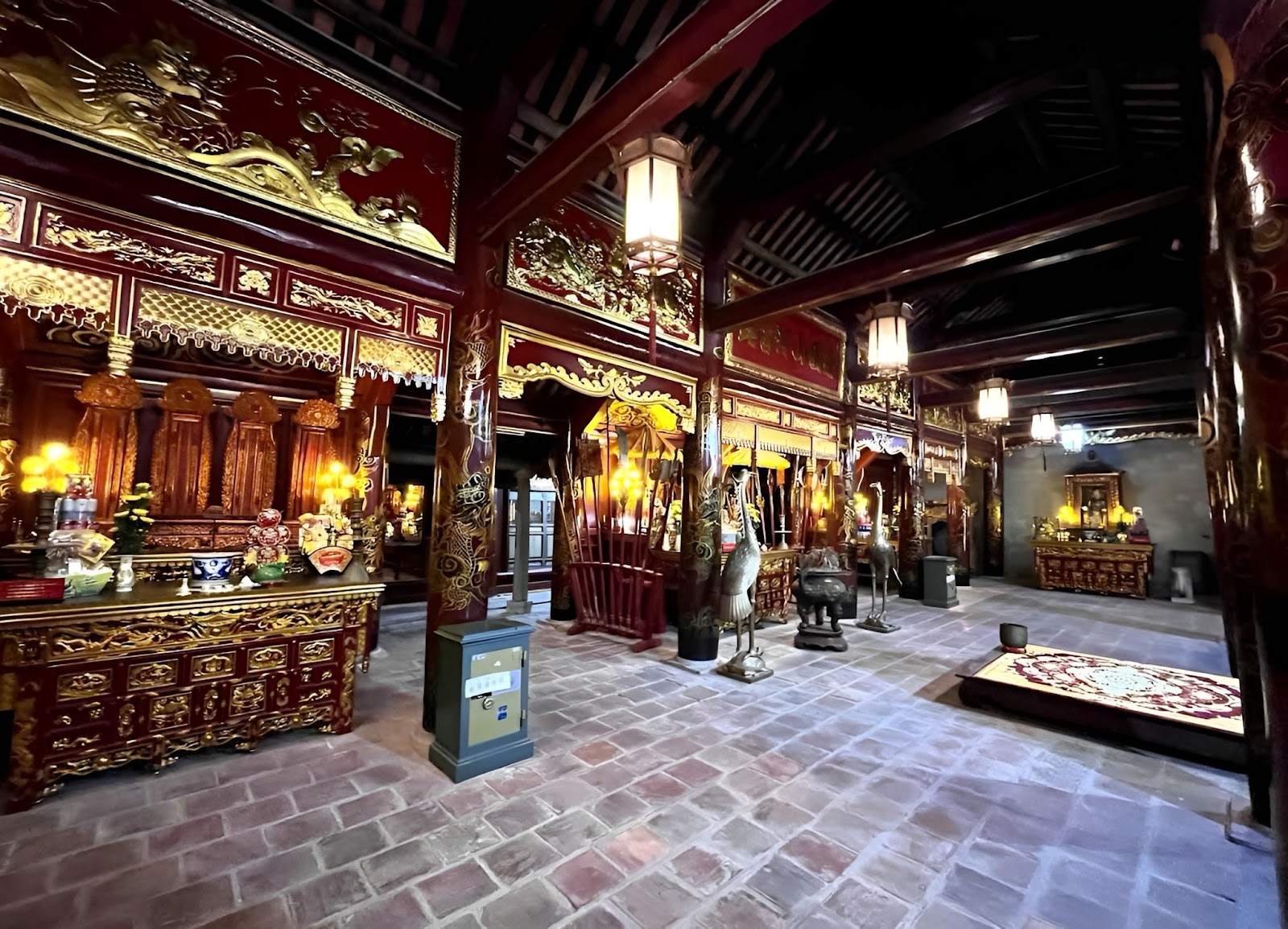
The interior space of the Hau Le Dynasty Royal Temple with exquisite carved architecture, bearing the strong imprint of the Le period. (Source: Collection)
3.3. Rear Hall and Artistic Details
The rear hall of the Hau Le Dynasty Royal Temple follows the interlocking beam and rafter construction style, with 32 red-painted wooden pillars carved with dragons amidst cloud patterns, placed on stone plinths. The column system consists of 8 transverse and 4 longitudinal columns, creating a sturdy and solemn space. Here are enshrined the memorial tablets of 27 Later Le kings and Empresses Dowager, including 4 ancient sacred tablets of Le Thai To, Le Than Tong, Le Huyen Tong, and Le Gia Tong from the 17th century. The memorial tablets and lacquered boards with parallel sentences are meticulously crafted, with each stroke of calligraphy reflecting the maker's dedication. Standing in this space, visitors can feel the sacredness and solemnity that remain intact through the years.
3.4. Courtyard Area, Left and Right Wing Buildings, and Remaining Traces
The temple courtyard connects the front hall and the rear hall, serving as the space for mandarins to perform ancient rituals. Ancillary structures such as screens, left wing buildings, and right wing buildings are logically arranged, forming a complete architectural complex. Currently, these components are being restored and preserved to enhance the monument's space. Each remaining detail carries historical value, helping visitors visualize the scale and solemnity of the Hau Le Dynasty Royal Temple during its peak.
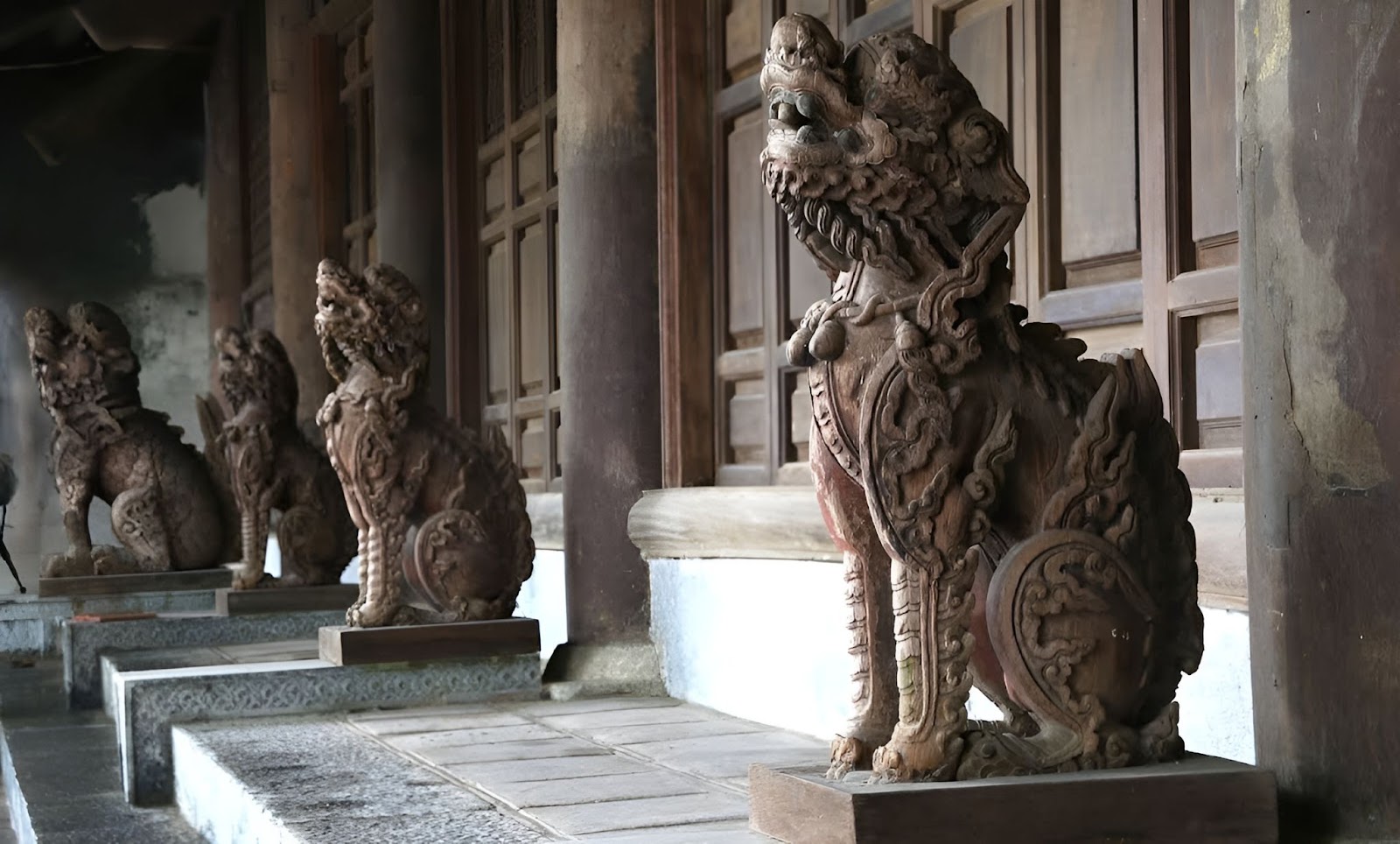
The area of the Hau Le Dynasty's Thai Mieu with rows of ancient stone mascots, carrying the meaning of guarding and solemnity. (Source: Collected)
4. Cultural and Spiritual Significance of the Hau Le Dynasty Thai Mieu
4.1. Role in the Spiritual Life of the People of Thanh Hoa
For the people of Thanh Hoa province, the Hau Le Dynasty Thai Mieu is a symbol of gratitude. This place not only worships the kings but also honors the merits of the officials who contributed to the country. On festival occasions, people from all directions come here to offer incense, express their gratitude, and seek peace in their souls. The relic becomes a spiritual anchor, reminding each generation of the noble values of their ancestors.
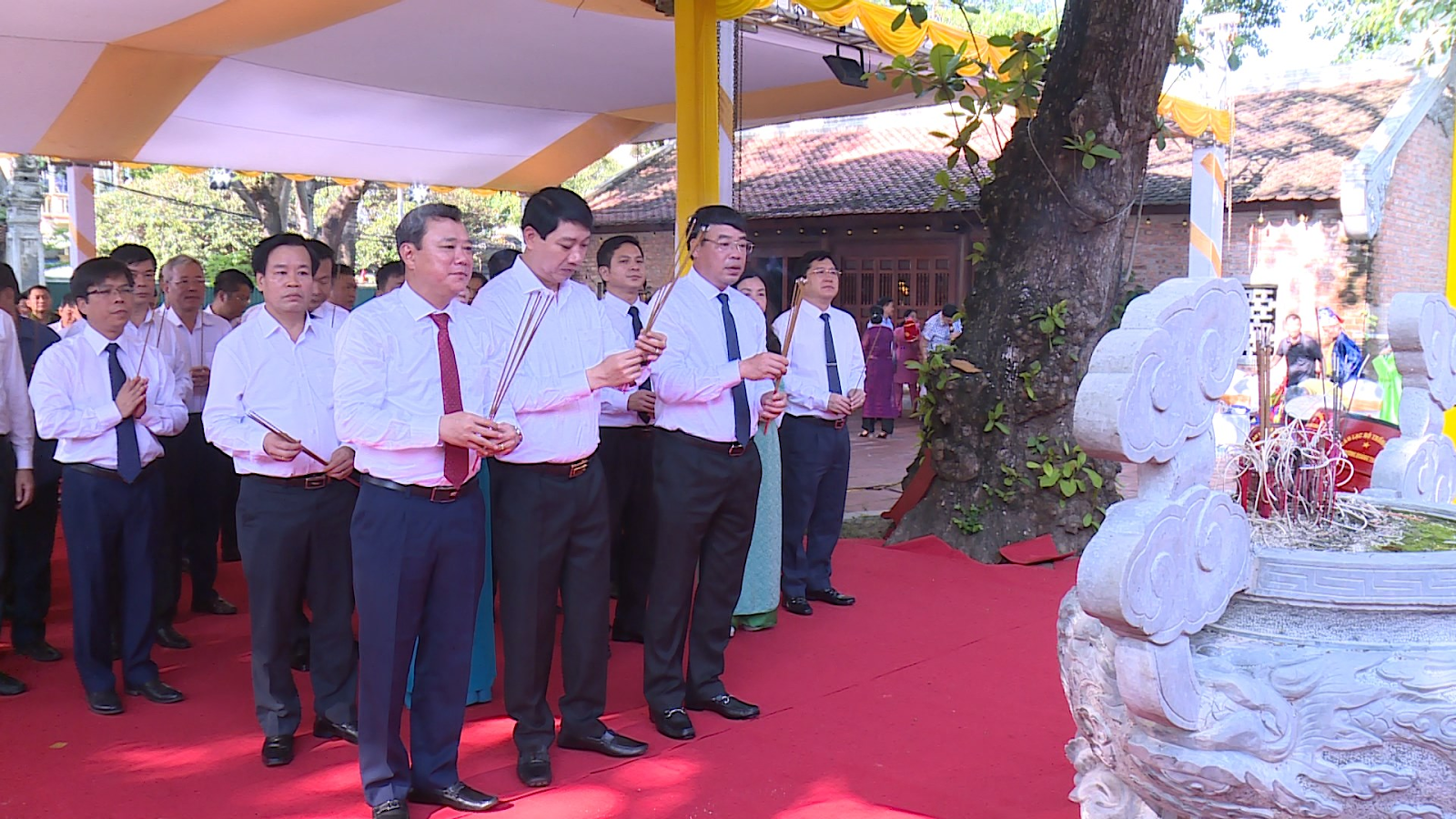
People and visitors come to the Later Le Royal Temple (Thai Mieu Nha Hau Le) to offer incense on every holiday, commemorating the merits of ancestors. (Source: Collected)
4.2. A historical and heritage education address for future generations
The Later Le Royal Temple (Thai Mieu Hau Le) is an ideal address for historical education and heritage research activities. Students are often organized to visit to learn about the Later Lê dynasty and traditional cultural values. Artifacts, altars, horizontal lacquered boards, and couplets at the temple are valuable documents helping the younger generation understand the nation's history better. Many visitors after the visit expressed their emotion at what is preserved here, as a reminder of the responsibility to preserve heritage for future generations.
4.3. Symbol of loyalty, righteousness, and benevolence of the nation
For over 200 years of existence, the Later Le Royal Temple (Thai Mieu Hau Le) embodies the characteristic values of loyalty, righteousness, and benevolence of the Vietnamese people. The Later Lê kings are honored not only for their founding merits but also for their bright example in practicing the ethics of being human. The relic is a vivid testament to the spirit of ancestor worship and reverence for deities, and a place that marks the golden pages of the nation's history.
5. Traditional festivals and outstanding activities at the Later Le Royal Temple
5.1. Major festivals of the year and unique rituals
Each year, the Later Le Royal Temple (Thai Mieu Hau Le) is where traditional ceremonies take place with a solemn and sacred atmosphere. The ceremonies often involve a large number of people and visitors, together offering incense to commemorate the merits of the ancestors. The festival atmosphere is imbued with traditional culture, with spiritual and folk art activities. This is an occasion for the Thanh Hoa region community to meet, recall history, and strengthen national pride.
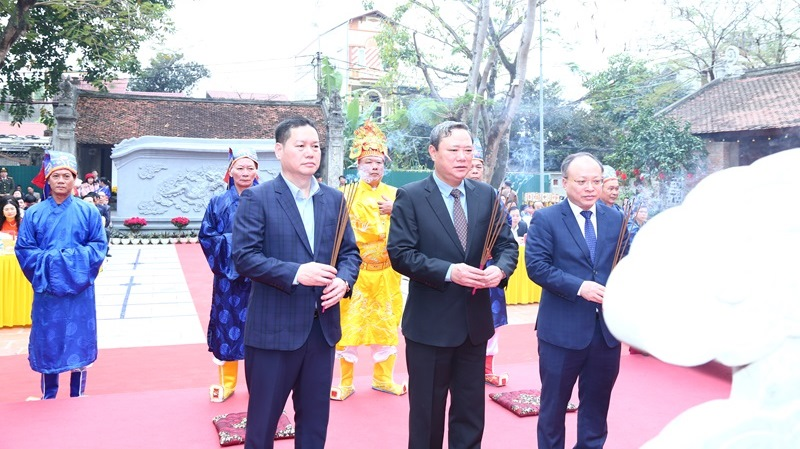
Solemn traditional ceremony at the Later Lê Dynasty Royal Temple (Thai Mieu Nha Hau Le), expressing the philosophy of drinking water and remembering its source. (Source: collected)
5.2. Heritage – Cultural Preservation Events and Activities
Projects for conservation and restoration of components such as the main courtyard, left wing, right wing, well, and lotus pond have been commenced, aiming to complete the relic space. Educational programs and cultural experiences are also organized regularly, helping visitors understand more deeply the historical value of the Later Lê Dynasty Royal Temple (Thai Mieu Hau Le) . This investment interest not only preserves heritage but also evokes pride and responsibility of each person towards the glorious past.
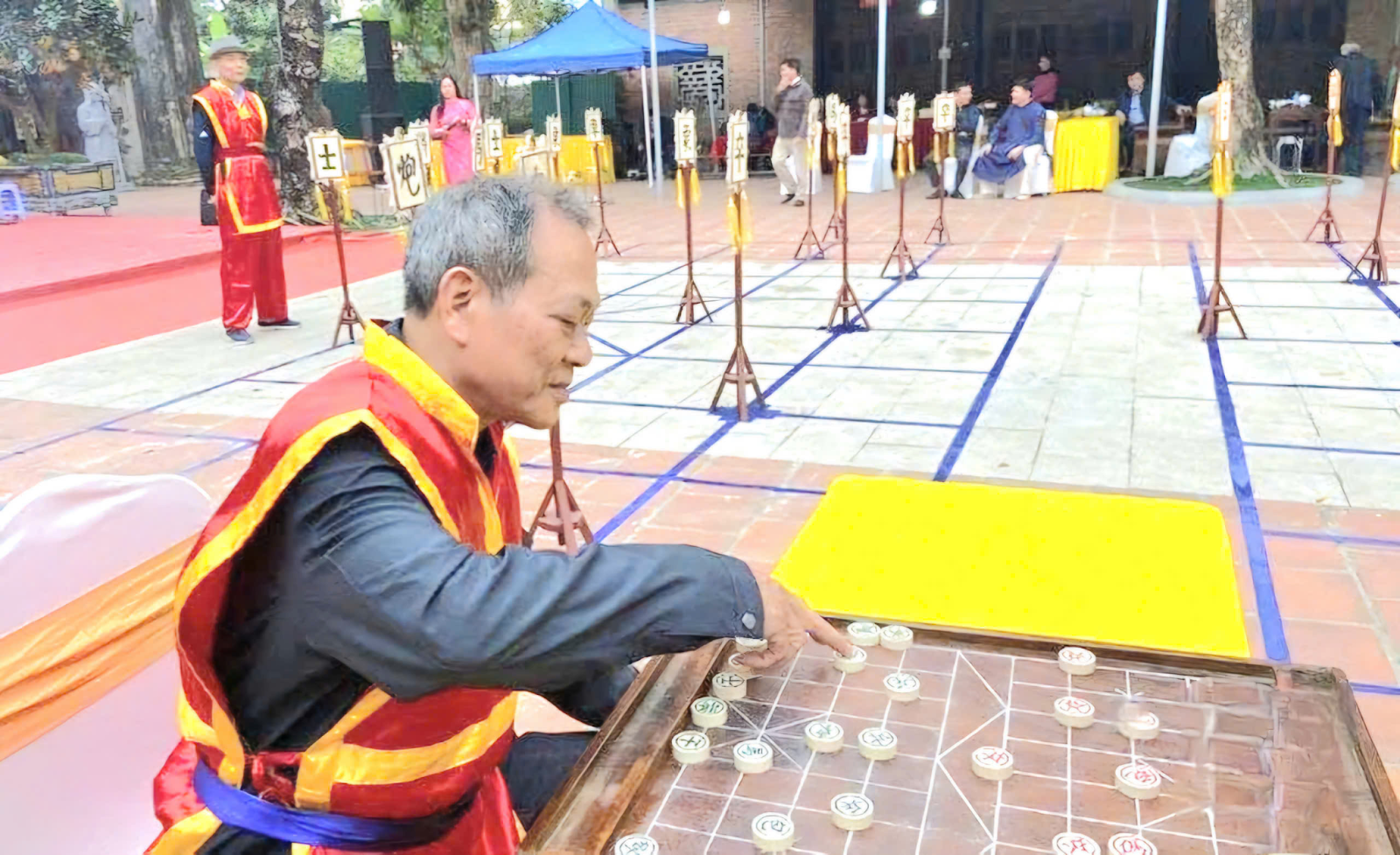
Traditional festival activities at the Later Lê Dynasty Royal Ancestral Temple (Thai Mieu Hau Le), contributing to preserving folk cultural values. (Source: Collected)
5.3. The Role of Connecting History – Modernity Through Festivals
Festivals at the Later Lê Dynasty Royal Ancestral Temple (Thai Mieu Hau Le) serve as a bridge between tradition and modernity, where the younger generation can access long-standing cultural values. The community actively participates in preservation activities, spreading the message of cherishing heritage. Ceremonies and stories about the merits of ancestors have strongly inspired the youth, reminding them of their roots and responsibility to preserve.
6. Guide to Visiting the Later Lê Dynasty Royal Ancestral Temple (Thai Mieu Hau Le)
6.1. Ideal Time to Visit and Experience Festivals
The ideal time to visit the Later Lê Dynasty Royal Ancestral Temple (Thai Mieu Hau Le) is during traditional festivals, when the spiritual atmosphere reaches its peak. Additionally, after the restoration project is completed, the relic's space will be expanded, allowing visitors to explore more comfortably. Notable check-in spots include the decorative pillars in the front hall, the horizontal lacquered board "Nam Quoc Son Ha Tu Thu", and the system of ancient ancestral tablets in the rear hall. Morning or late afternoon sunlight creates a romantic scene, suitable for souvenir photos.
6.2. Suggested Itinerary Combining Visits to the Later Lê Dynasty Royal Ancestral Temple (Thai Mieu Hau Le) and Nearby Relics
The Later Lê Dynasty Royal Ancestral Temple (Thai Mieu Hau Le) is located right in the center of Thanh Hoa, making it very convenient to combine with other attractions in the region. Visitors can plan to visit surrounding historical relics to gain a more comprehensive view of the tradition-rich land of Thanh Hoa. Connecting these points makes the journey richer and more meaningful.
Besides historical relics within the city, visitors can also combine their trip to the Later Lê Dynasty Royal Ancestral Temple (Thai Mieu Hau Le) with the Sam Son beach square – currently one of the liveliest destinations in Thanh Hoa. Only about a 15-20 minute drive from the center of Thanh Hoa, the square is an ideal place to check in to the modern beach space, take a stroll, and enjoy spectacular water music performances in the evening. The atmosphere here is always bustling with entertainment, recreational activities, and coastal cuisine, creating an interesting balance between the spiritual – historical space on one side and the youthful, modern rhythm of Sam Son tourism on the other.
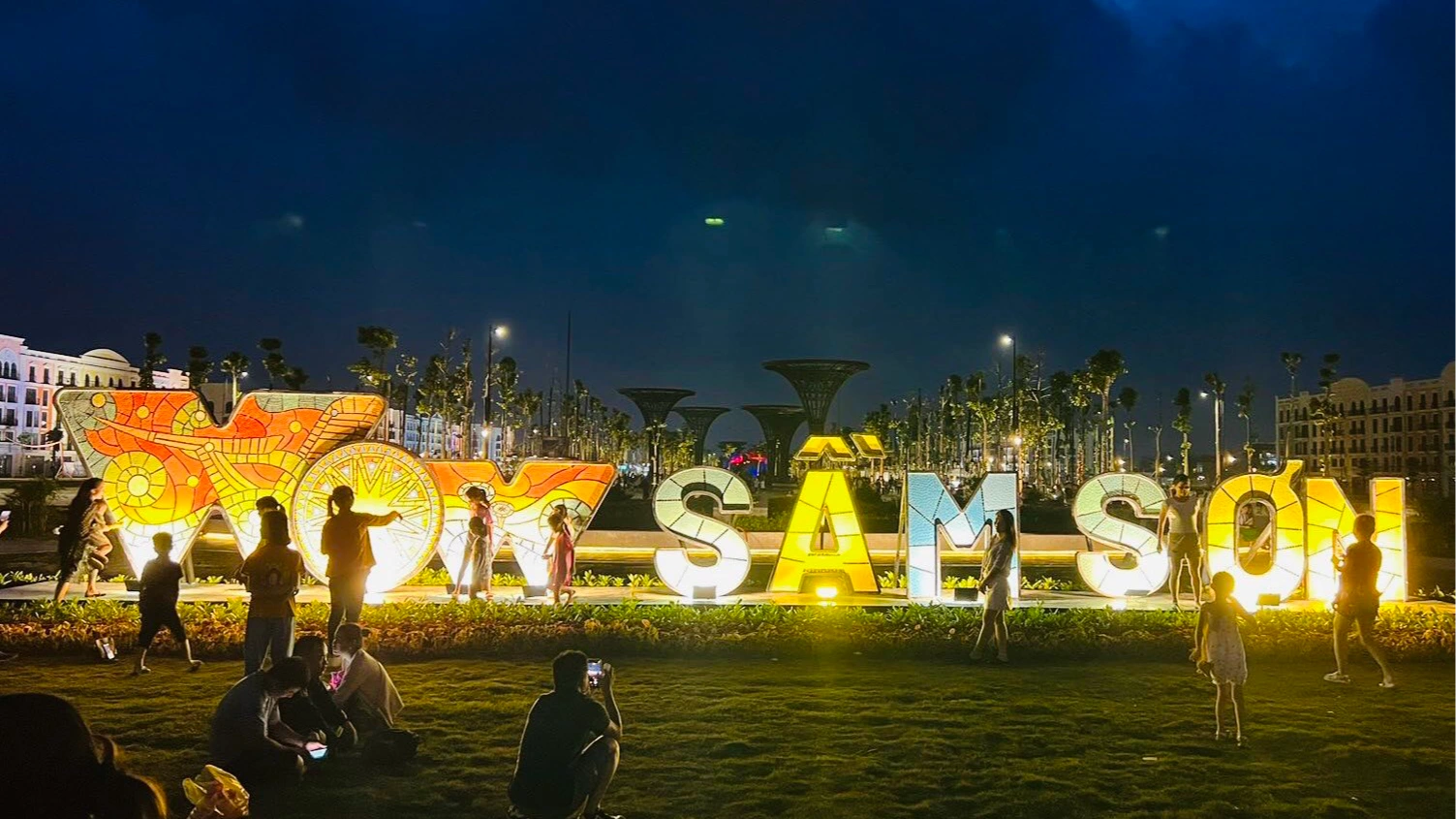
Sam Son beach square shines brightly with lights, a vibrant check-in spot attracting tourists every evening. (Source: Collected)
6.3. Useful experiences and tips when visiting
When visiting the Hau Le Temple, visitors should choose polite attire, respecting the sacred space. Listening to stories from local people will help you understand the historical value of the relic more deeply. You should take your time, admire every architectural detail and carving to fully appreciate the dedication of the ancients. Bring a camera to capture beautiful moments, but remember to remain quiet and solemn when visiting the altars.
The Hau Le Temple is not only a historical relic but also a symbol of gratitude and national pride. Each visit is an opportunity for you to touch the glorious past and feel the deep cultural values of Thanh Hoa. Arrange your journey here to experience the unique spiritual space and create unforgettable impressions!