














1. Thanh Hoa Festival and the living cultural space of the Thanh region
1.1 The most diverse festival system in Vietnam
In Thanh Hoa province, over 220 cultural, sports, and tourism events are held annually, the majority of which are traditional festivals organized in various localities. This festival system is closely linked to the network of over 1,500 historical and cultural relics, reflecting the cultural depth and historical richness of the Thanh region.
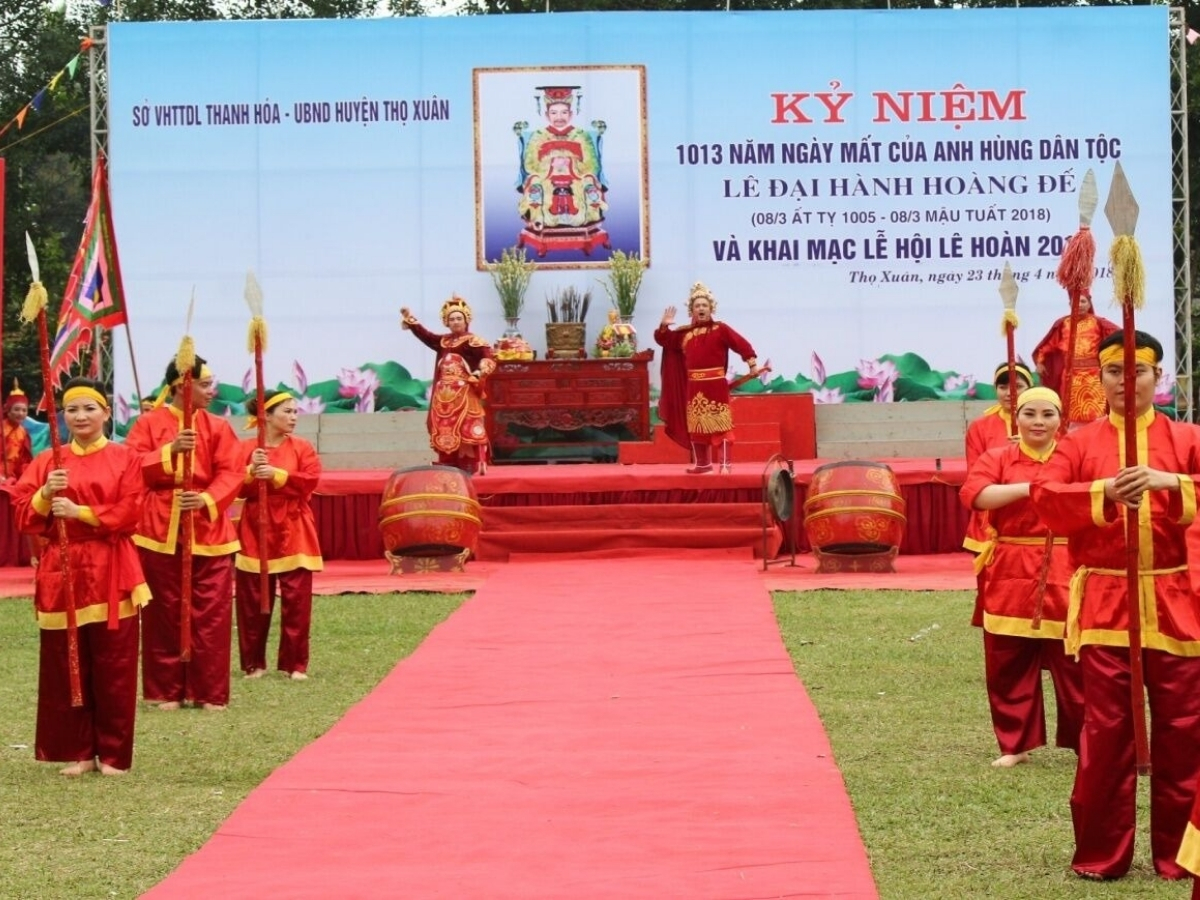
Festival space dedicated to Le Hoan. (Source: Collected)
Many typical relics serve as familiar festival venues, including the Lam Kinh relic area, Ho Citadel, Le Hoan temple, Ba Trieu temple, Dong Son village, and Nua - Am Tien temple. Additionally, coastal areas like Sam Son, with its spiritual destinations and natural scenic spots, also host numerous festival activities characteristic of the coastal region.
In terms of nature and content, Thanh Hoa festivals are typically divided into several main categories: spiritual festivals, historical festivals, agricultural festivals, and folk festivals. Each type reflects different aspects of the local people's spiritual life, community activities, and cultural traditions.
1.2 Historical - Humanistic Values of Thanh Hoa Festivals
Many Thanh Hoa festivals are associated with historical figures and folk legends that hold significant importance in the formation of the region. The Le Hoan temple is a prime example, commemorating Emperor Le Dai Hanh and preserving numerous traditional architectural and artistic imprints, along with valuable documentation and artifacts.
The festival space at the Lam Kinh relic area also holds special significance in recreating the historical period of the Later Le Dynasty. The architectural complex here includes elements such as the Ngnh Mon (Gate of Salutation), Tien Dien (Front Hall), Hau Dien (Rear Hall), mausoleums, and a system of wooden mascots, showcasing the artistic and architectural sophistication of the feudal dynasties.
Through ritual activities, folk games, and community cultural events, Thanh Hoa festivals contribute to preserving collective memory and transmitting historical - humanistic values across generations. These are not only occasions for spiritual practice but also spaces that connect tradition with contemporary life, helping the community, especially the younger generation, to better understand their origins and local cultural identity.
2. Typical Thanh Hoa Festivals by Season in 2026
2.1 Early Spring Festivals (1st-2nd lunar month)
Spring is the time when many important traditional festivals take place in Thanh Hoa, associated with prayers for peace, prosperity, and the start of the new year. Among these, the festival at Song Temple, also known as Song Pagoda, attracts a large number of people and tourists who come to offer incense and pray for peace in the new year.
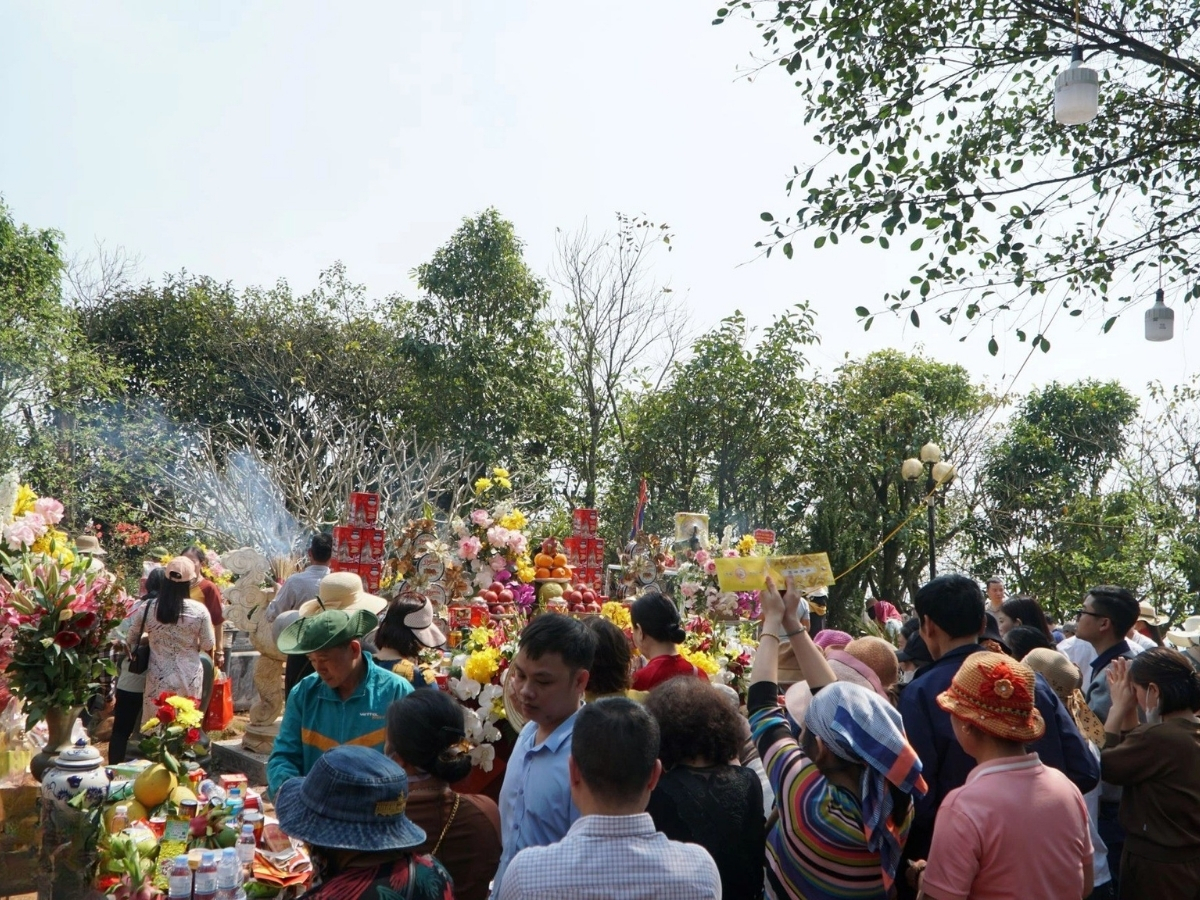
Many tourists visit Nua - Am Tien Temple during the early spring. (Source: Collected)
The Nua - Am Tien Temple Festival takes place in a mountainous setting, with traditional spiritual rituals reflecting the long-standing folk beliefs of the local residents. In addition, the Phu Na Festival is also a familiar destination at the beginning of the year, associated with prayer rituals and community cultural activities.
Some other festivals such as the God Fish procession festival at Cam Luong fish stream or the Khai Ha festival have the meaning of praying for favorable harvests and peaceful lives. In general, Thanh Hoa festivals at the beginning of spring focus on spiritual elements, marking the start of the new year in a solemn and culturally rich atmosphere.
2.2 Festivals honoring heroes and historical figures
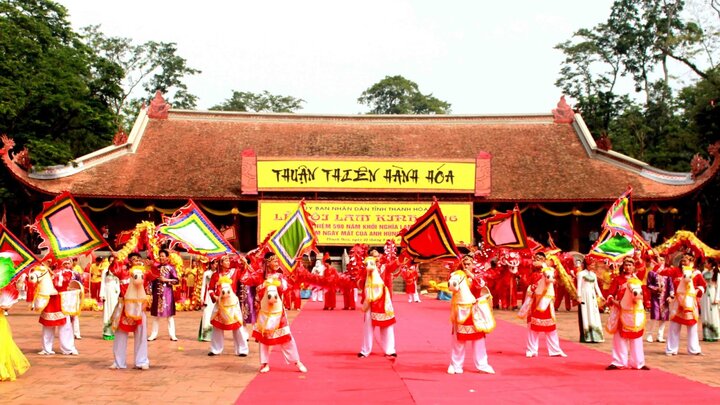
The group of festivals associated with commemorating heroes and historical figures plays an important role in the cultural life of Thanh Hoa. A typical example is the festival at the temple dedicated to Le Hoan, organized to commemorate Emperor Le Dai Hanh. The palanquin processions and ceremonies here are performed according to traditional rites, reflecting a historical spiritual activity space.
The Lam Kinh Festival in 2026 is expected to continue to be held at the Lam Kinh historical site, with activities recreating history, art performances, and traditional ceremonies, helping the public to better understand the early Le dynasty period.
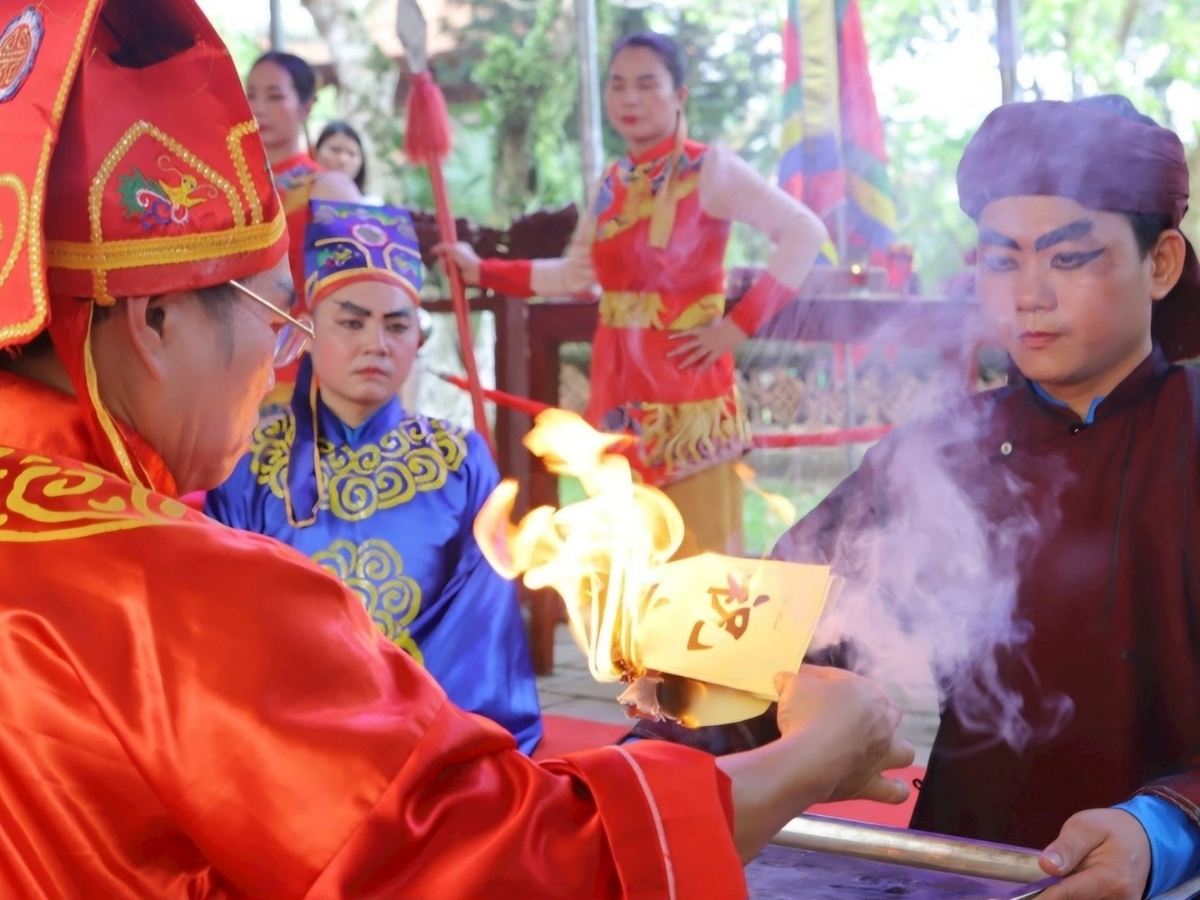
Process of performing the ceremony for the Le Hoan Temple Festival. (Source: Collected)
Additionally, the Muong Kho Festival in Dien Lu commune carries the strong cultural characteristics of the highlands, associated with the traditional rituals of ethnic minority people. These festivals not only have commemorative significance but also contribute to historical education and the preservation of local cultural heritage.
2.3 Mid-year and seasonal festivals (6th-8th lunar months)
In the summer, Thanh Hoa festivals associated with the sea and tourism activities become more vibrant. In coastal areas such as Sam Son, Hai Tien, and Hai Hoa, sea tourism festival programs are organized to serve the sightseeing and resort needs of tourists during the peak season.
The annual sea tourism festival space in Sam Son is expanded with cultural and entertainment activities and art performance programs at Sam Son Beach Square, contributing to creating a highlight for summer tourism. Besides, seafood culinary events in the Hoang Hoa area offer opportunities to experience local products and coastal community life.
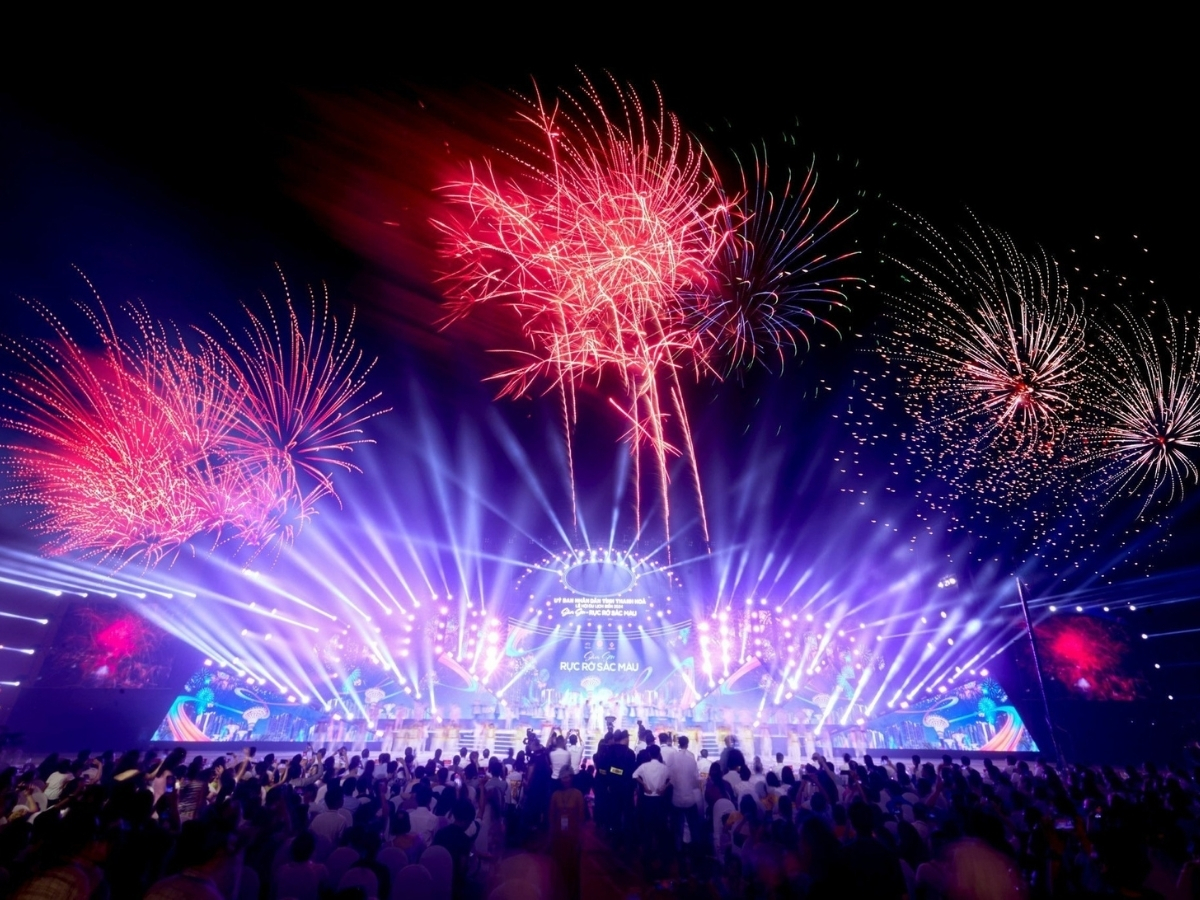
The Sam Son Sea Tourism Festival takes place every summer. (Source: Collected)
In the mountainous regions, festivals praying for good harvests and thanking nature by ethnic minorities continue to be maintained within traditional cultural spaces, reflecting the close relationship between humans and the natural environment.
2.4 Typical Intangible Cultural Festivals
Thanh Hoa is a locality with many festivals associated with intangible cultural heritage. Among them, the Xuan Pha festival stands out with its characteristic folk performance genre, which has been recognized by UNESCO as a representative intangible cultural heritage of humanity. The Xuan Pha dances with traditional costumes and music create a festival space rich in symbolism.
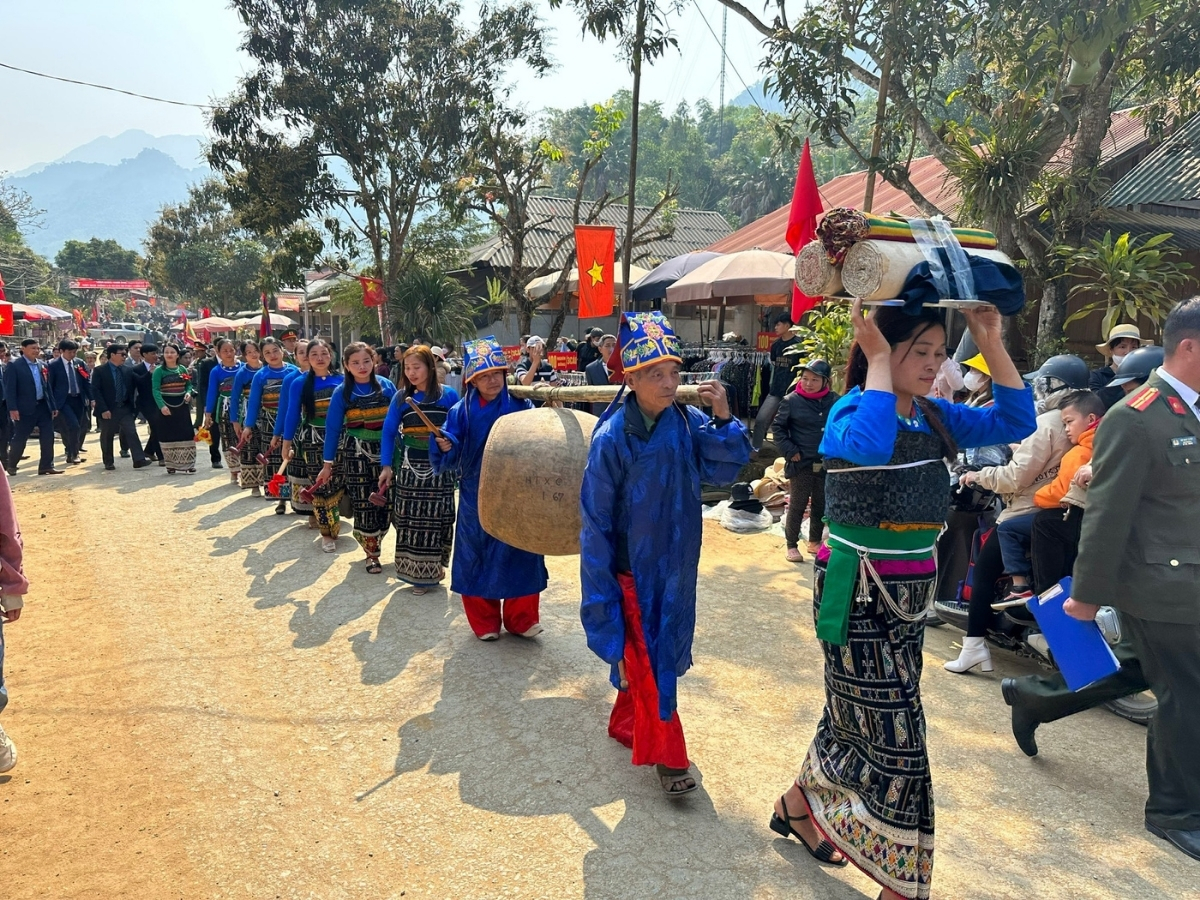
Muong Xia Festival, rich in ethnic identity. (Source: Collected)
Besides that, many festivals of the Muong and Thai ethnic communities, such as the Muong Xia Festival (Son Thuy commune) or the Muong Ca Da Festival (Hoi Xuan commune), are organized periodically, associated with folk games, cultural activities, and local beliefs.
Highland market sessions, Tro Chienng, Nang Han festivals, or Meo Pagoda are opportunities to introduce traditional crafts, cuisine, and folk performance arts. These festivals play an important role in preserving, teaching, and promoting the intangible cultural values of the resident communities in Thanh Hoa.
3. Outstanding Experiences at Thanh Hoa Festivals 2026
3.1 Unique Rituals and Symbolic Meanings
The system of rituals at Thanh Hoa festivals reflects the depth of belief and spiritual life of the local resident communities. The palanquin procession ritual is one of the typical activities, often organized in a solemn atmosphere, following traditional procedures. At Song Temple, the palanquin procession goes through village roads, combined with traditional ceremonial music, contributing to the spiritual space at the beginning of the year.
At Nua - Am Tien Temple, the worship rituals are performed in the traditional way, including offering incense and praying for peace and good harvests. These ceremonies express gratitude to ancestors and nature, and reflect the long-standing folk beliefs of the midland residents.
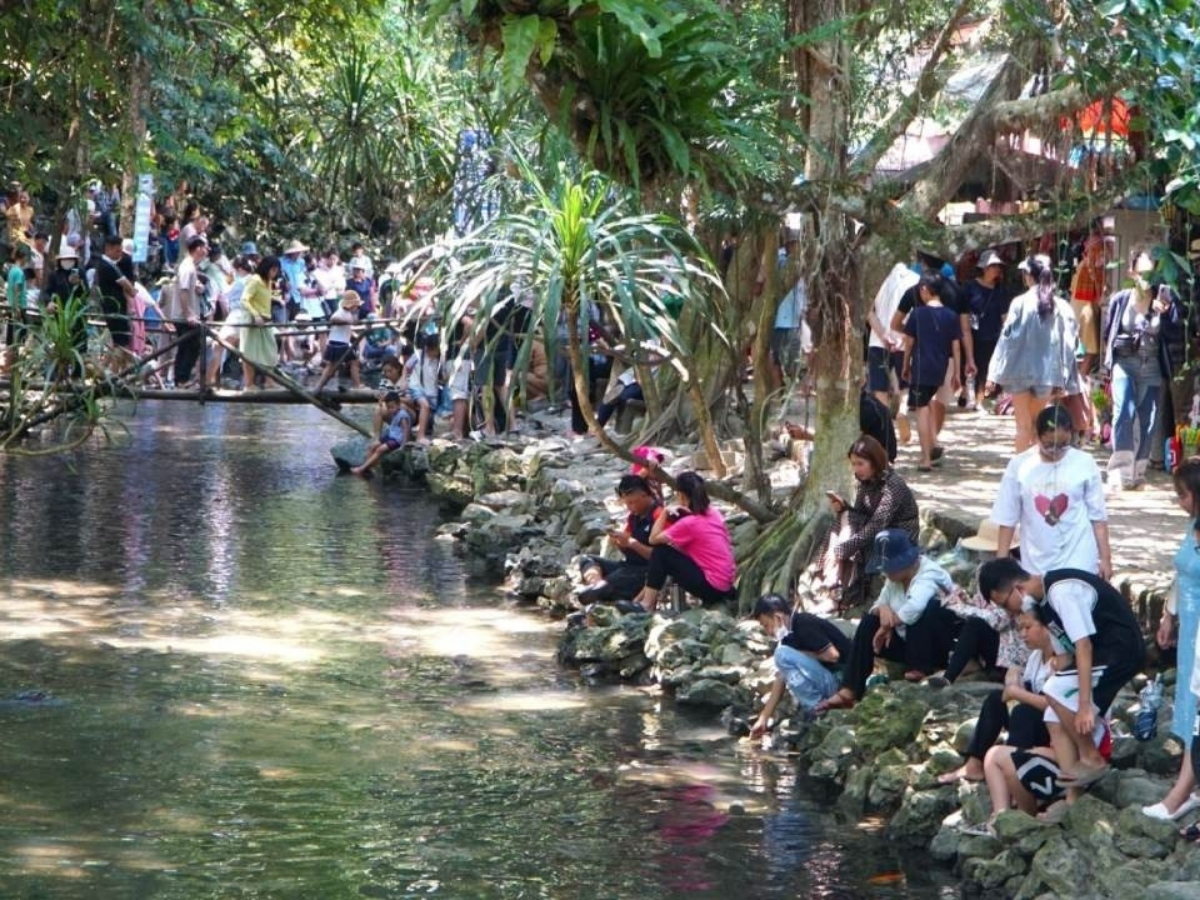
Many tourists visit the Sacred Fish Stream of Cam Luong during the festival season. (Source: Collected)
Furthermore, the Xuan Pha dance appears in many festivals as a symbolic folk performance. The khai ha ritual at Cam Luong fish stream also leaves its unique mark, demonstrating the harmonious relationship between humans and the natural environment through community-oriented rituals.
3.2 Vibrant festival activities with a strong community spirit
Alongside the ceremonial part, the festival activities in Thanh Hoa festivals serve as a space for community cultural activities with many traditional folk games. Activities such as tug-of-war at the Tro Chien Festival, and 'tung con' (ball tossing) in festivals of the Thai and Muong ethnic communities attract a large number of participants, creating an atmosphere of exchange and connection between generations.
Boat racing on the Ma River is often organized during the festival season, becoming a highlight that attracts spectators due to its collective nature and competitive spirit. Additionally, folk singing and dancing performances are presented throughout the festival, reflecting the cultural identity of each region and community.
At coastal festivals, such as those in Sam Son, the festival space is expanded with outdoor art exchange programs, providing opportunities for tourists to participate in cultural activities and experience the local way of life.
3.3 Thanh Hoa's festival season cuisine
The cuisine during Thanh Hoa's festival season is closely linked to spiritual life and traditional customs. Dishes such as sticky rice with black glutinous rice and sticky rice with gac fruit often appear on offering trays and are also introduced to tourists in the community gathering spaces. Village chicken, prepared using traditional local methods, is a familiar dish during festivals.
In festivals of ethnic minority communities, 'ruou can' (fermented rice wine) is a popular drink, contributing to an atmosphere of exchange and sharing among participants. In coastal areas, the culinary night at Hoang Thanh introduces many dishes made from local seafood, reflecting the characteristics of marine culinary culture.
Through activities of introduction and tasting, Thanh Hoa festivals are not only occasions for cultural activities but also contribute to preserving and spreading traditional culinary values, helping tourists better understand the life and customs of the local community.
4. Combining Heritage Tourism - Thanh Hoa Festival Itinerary 2D1N/3D2N
4.1 Suggested 2D1N / 3D2N Itinerary for Festival Season
With a 2-day, 1-night timeframe, tourists can choose an itinerary focusing on experiencing the festivals and typical heritage sites of Thanh Hoa. On the first day, the journey begins at Song Temple, participating in early spring festival activities for peace and well-being. Afterwards, tourists continue to Nua Temple - Am Tien to explore the spiritual space associated with the mountainous landscape.
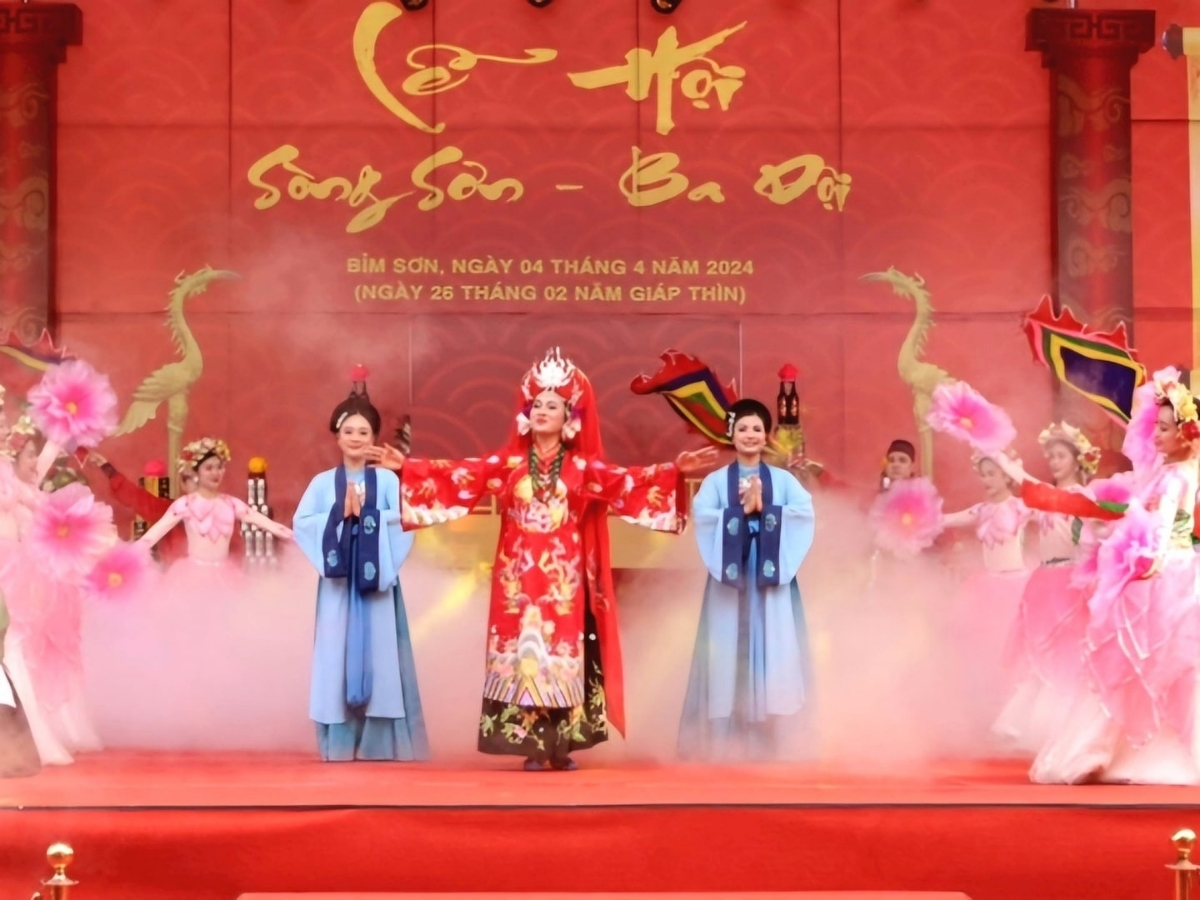
The Song Son Temple Festival takes place in the 2nd lunar month. (Source: Collected)
On the second day, the itinerary can combine a visit to the Lam Kinh historical site to learn about the history of the Le dynasty, before stopping by Cam Luong fish stream to experience the Khai Ha festival atmosphere and traditional folk rituals.
With a 3-day, 2-night itinerary, visitors have more time to combine cultural festivals with beach resort tourism. The first day is dedicated to participating in festival activities in Sam Son, visiting the coastal area, and some local spiritual sites. On the second day, travel to the midland region, visit the Le Hoan temple to learn about historical imprints. On the last day, visitors can relax in the Hai Tien area or combine it with enjoying seafood in Hoang Hoa, concluding the Thanh experience journey with diverse experiences.
4.2 Nearby resort and entertainment experiences
In parallel with festival activities, visitors can combine relaxation and entertainment at coastal destinations in Thanh Hoa. In Sam Son, the beach space is expanded with many sightseeing activities, including Sam Son Beach Square, which is a suitable stop for walking, visiting the coastal public space, and watching art performances and water music shows in the evening.
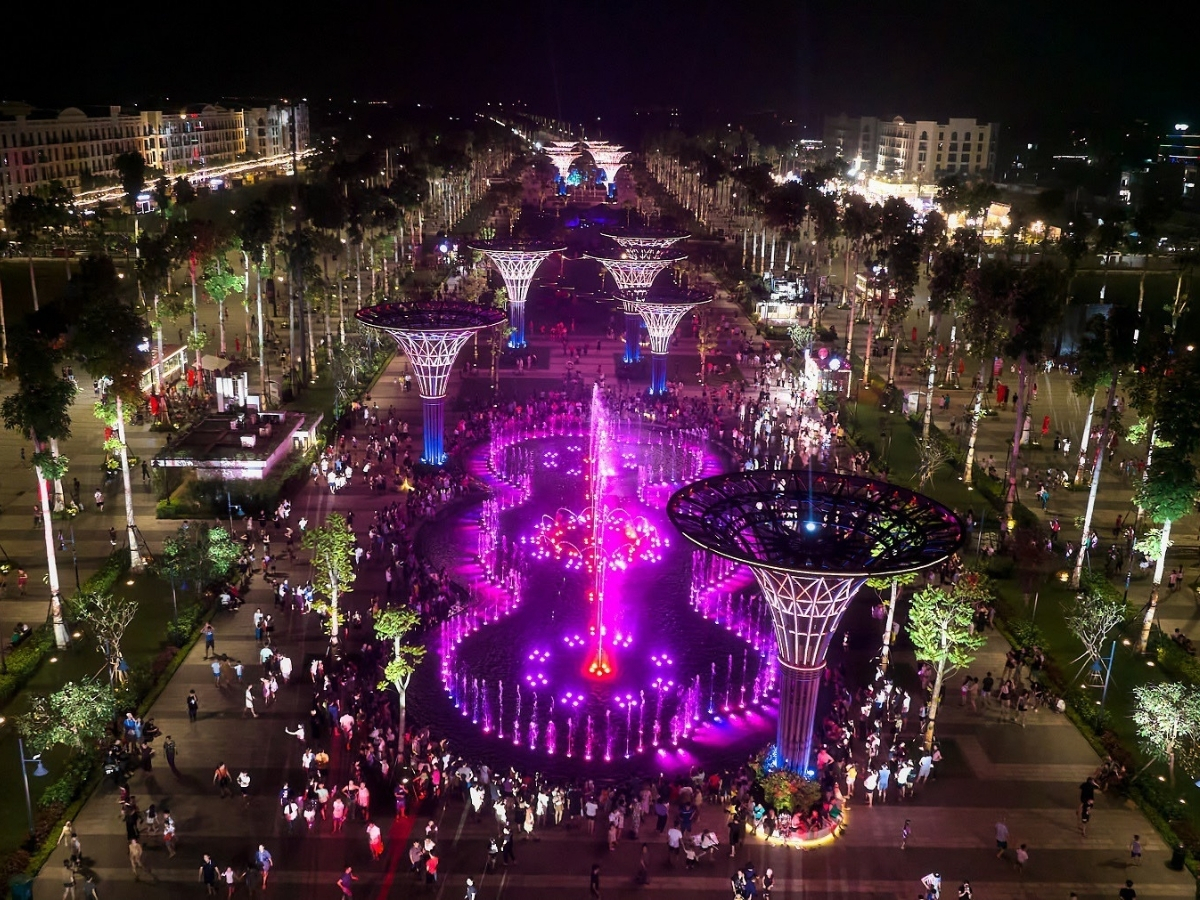
Sam Son Sea Square is a top destination when visiting the coastal city. (Source: Collected)
The Hai Tien and Hai Hoa areas offer a quieter resort option, suitable for tourists seeking spacious sea views. Additionally, highland destinations like Pu Luong or the Ham Rong area can also be added to the itinerary to diversify experiences, from visiting natural landscapes to learning about local cultural life.
Thanh Hoa, with over 2,700 Thanh Hoa festivals, rich and diverse, opens a journey to explore unique and meaningful culture. Each festival season is an opportunity for tourists to immerse themselves in the flow of history, experience spiritual rituals, and connect with the local community. Don't miss the chance to plan your exploration of the Thanh Hoa festivals in 2026 to fully appreciate the cultural beauty of Thanh Hoa!