















1. Overview of Dong Co Temple
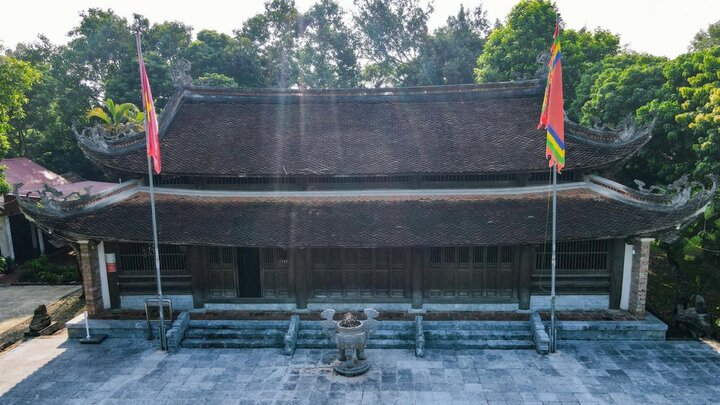
Dong Co Temple is located at the foot of Mount Kha Lao (also known as Mount Tam Thai), on the gentle banks of the Ma River in Quy Loc commune, Thanh Hoa province. This is a sacred land associated with the legend of the Trong Dong deity, a deity worshipped as the one who aided many royal dynasties in the cause of fighting invaders, defending the country, and protecting the realm.
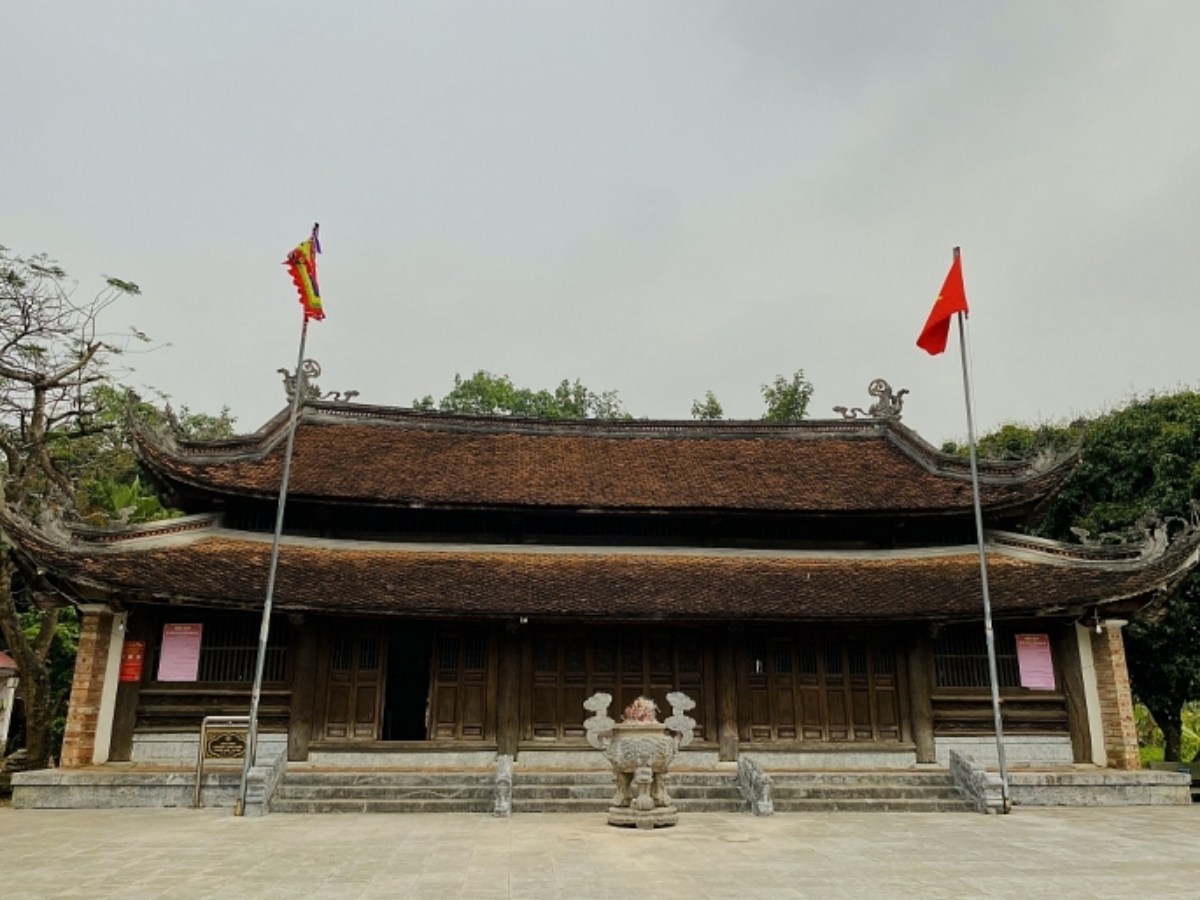
Dong Co Temple is the most sacred temple in the Thanh region. (Source: Law and Society)
Not only a famous historical and cultural relic of the Thanh region, Dong Co Temple is also considered a symbol of the spirit of solidarity and loyalty of the Vietnamese nation. The temple is situated amidst a picturesque natural landscape, with its back against the mountain and facing the river, creating a space that is both solemn and poetic. This special location further highlights the sacredness of the temple, where people come to commemorate the merits of the deities and pray for national peace, people's well-being, and prosperous harvests.
2. History of Formation and Legends about the Dong Co Deity
Few relics in the Thanh region possess such historical depth and mysterious legends as Dong Co Temple . According to legend, the temple was built in 2569 BC, serving as a place to worship the Dong Co deity – the Bronze Drum deity who made great contributions to the cause of building and defending the nation. From the Hung Vuong era through the Early Le, Ly, Tran, Ho, and Later Le dynasties, the Dong Co deity was always recognized as a sacred being, often manifesting in dreams to kings, helping to quell rebellions and maintain national sovereignty.
According to the book Viet Dien U Linh Tap, in 1020, Crown Prince Ly Phat Ma – son of King Ly Thai To – on his way to fight Champa, arrived at Truong Chau ferry on the Ma River and dreamed of the Dong Co deity coming to offer assistance. Thanks to this divine efficacy, the Crown Prince achieved victory. Upon his return, he set up an altar to thank the deity. Later, when King Ly Thai To passed away and the Tam Vuong rebellion broke out, the Dong Co deity informed the Crown Prince one day in advance through a dream, helping him quell the turmoil and ascend the throne, taking the reign title Ly Thai Tong. To commemorate the deity's merits, King Ly Thai Tong had the deity's effigy brought from Dan Ne village to Thang Long to establish a temple and conferred the title "Great Lord, Enlightener of the World". From then on, Dong Co Temple became a place chosen by subsequent dynasties to hold important national ceremonies.
Over time and through historical upheavals, Dong Co Temple was destroyed and deteriorated many times, yet it was preserved and restored by the local people. In 2001, the temple was recognized as a national-level historical relic. In 2007, a project for the preservation and restoration of the relic was implemented. Notably, in 2010, with its profound historical and spiritual value, Dong Co Temple was awarded the plaque for the 1000th anniversary of Thang Long - Hanoi construction, affirming the temple's sacred and enduring position in the flow of national culture.
3. Ancient Architecture and Sacred Space at Dong Co Temple
Dong Co Temple possesses an ancient and majestic beauty with architecture deeply imbued with Vietnamese tradition. The temple is built in a style featuring a front hall, main sanctuary, and rear chamber. The front hall has a five-bay structure with exquisitely crafted double-tiered roofs, showcasing the refined construction techniques of the ancients. Moving deeper from the front hall is the three-bay main sanctuary, connected to the front hall by its roof structure, where the deity's statue and ancient ritual objects are placed. Behind it is the rear chamber, with its back against the mountainside, featuring a compact layout that harmonizes with the natural landscape. A special feature is the presence of bronze drums in the front hall, middle hall, and rear chamber, symbolizing eternity and the echo of the national soul.
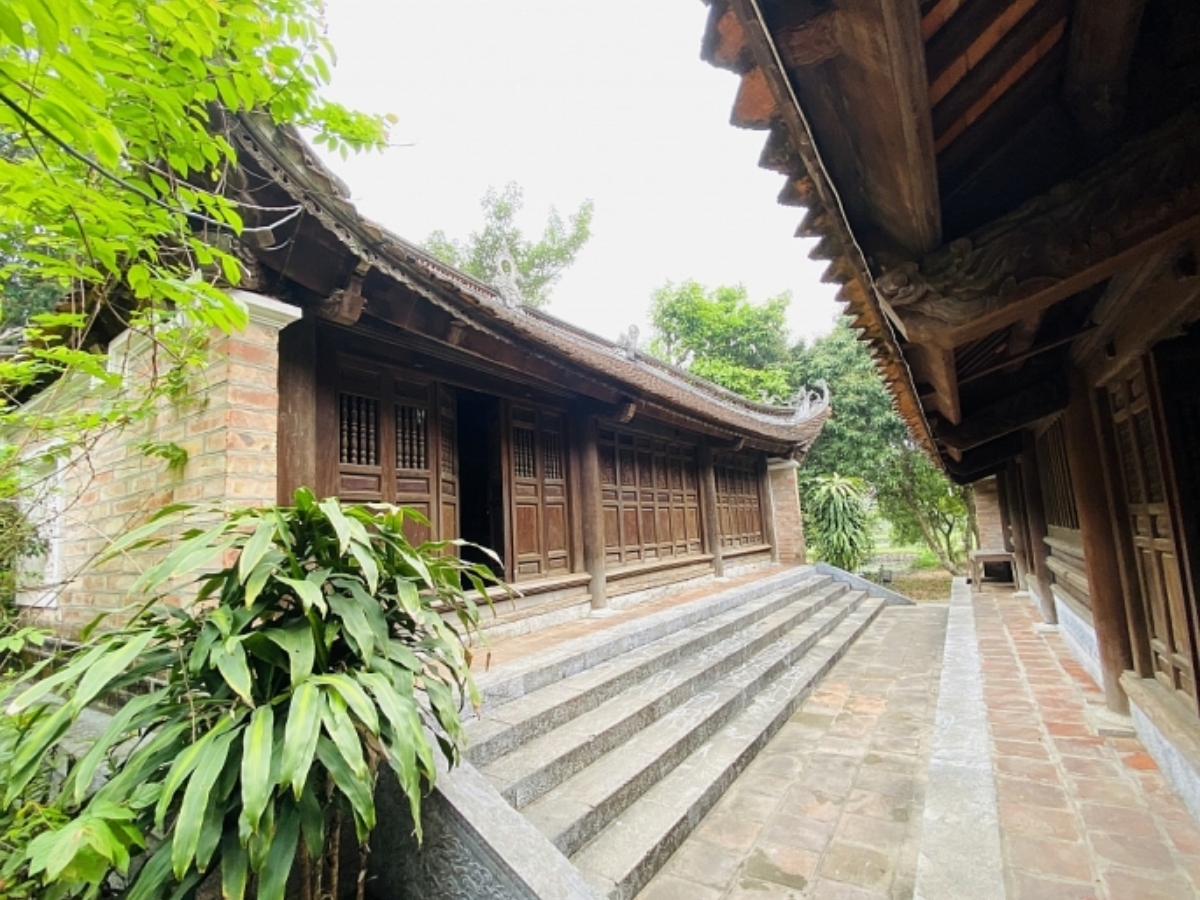
The main hall has a carapace structure with a front hall. (Source: Phap Luat va Xa Hoi)
The space around the Dong Co Temple is like a picturesque landscape painting, both solemn and mystical. In front of the temple is Ban Nguyet Lake with its calm jade-green water reflecting the mountains and sky. Three mountains surround the temple like three guardian deities, behind it is the Ma River with the legendary Truong Chau ferry landing. The entire scenery evokes a sacred feeling, as if guiding visitors back to ancient tales, where the deity Dong Co once manifested to aid the nation, so that today the sound of bronze drums still echoes between the heaven and earth of Thanh land.
4. Experience traditional festivals at Dong Co Temple
Annually, to commemorate the merits of the Bronze Drum deity, the people of Quy Loc commune solemnly organize the Dong Co Temple festival on the 15th day of the 3rd lunar month. This is one of the oldest festivals in Thanh land, expressing the deep gratitude of the people towards the deity who blessed the nation with peace, prosperous harvests, and a tranquil life.
Before the main ceremony, on the 12th day of the 3rd lunar month, people perform the ritual of burning the sacred robe. This is a traditional ritual symbolizing the changing of the deity's robe, showing reverence and honoring his merits. On the main festival day, visitors from all directions eagerly arrive to participate, immersing themselves in the solemn yet vibrant atmosphere of the festival. The rituals of palanquin procession, offering of mountain delicacies, and deity worship are performed according to ancient customs. The sounds of drums and gongs echo along with sacred prayers, creating a festival atmosphere rich in folk culture, both sacred and warm with human affection.
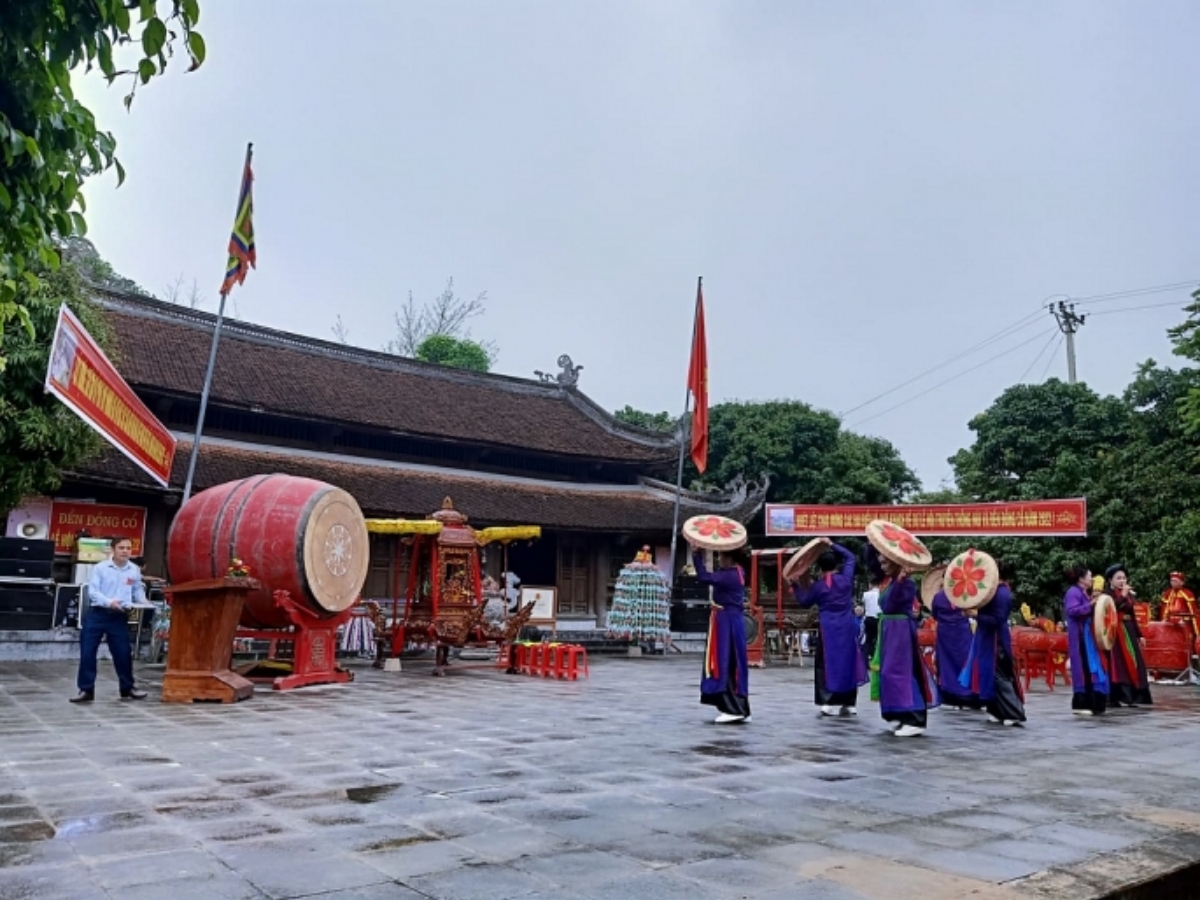
The festival of Dong Co Temple is held with many rituals and folk games, attracting a large number of people and tourists. (Source: Phap Luat va Xa Hoi)
The festival of Dong Co Temple is not only an occasion to remember and honor the deities, but also an important spiritual cultural activity, contributing to preserving the traditional identity of the people of Thanh Hoa over generations.
5. Experience when visiting Dong Co Temple
Visiting Dong Co Temple , visitors can not only immerse themselves in the sacred space but also have the opportunity to learn about a part of the unique history and culture of Thanh Hoa. To have a meaningful and complete trip, visitors should note some of the following experiences.
5.1. Choosing appropriate attire
As it is a sacred place of worship with strong spiritual elements, visitors to Dong Co Temple should prepare polite and modest attire to show respect for the sacred space. Visitors should choose neat, sleeved clothing, avoid wearing overly short or off-the-shoulder clothing, or outfits with overly bright colors that may be offensive. Sneakers or soft sandals are suitable choices helping visitors easily move between the ancient stone steps, the temple courtyard, and the area around Moon Lake. Dressing neatly and appropriately not only helps visitors have a comfortable experience but also shows reverence and respect for the traditional culture of this sacred land.
5.2. Maintain a respectful and polite attitude when offering prayers at the temple
When entering Dong Co Temple , visitors should show a solemn and sincere attitude to preserve the sacredness of the worship space. Speak softly, move slowly, avoid laughing or making noise in the main sanctuary. Especially, do not take photos or videos in the main worship area or when others are performing rituals, to ensure solemnity.
Before offering prayers, visitors can prepare incense, fresh flowers, betel leaves and areca nuts, fruits, or simple offerings to offer at the altar, expressing gratitude and respect to the Drum God. Offerings should be made gently, without ostentation, showing sincerity rather than material value. Reverence and cultural awareness when performing rituals not only helps visitors have a more complete experience but also contributes to preserving the beauty of traditional beliefs in the sacred land of Thanh Hoa.
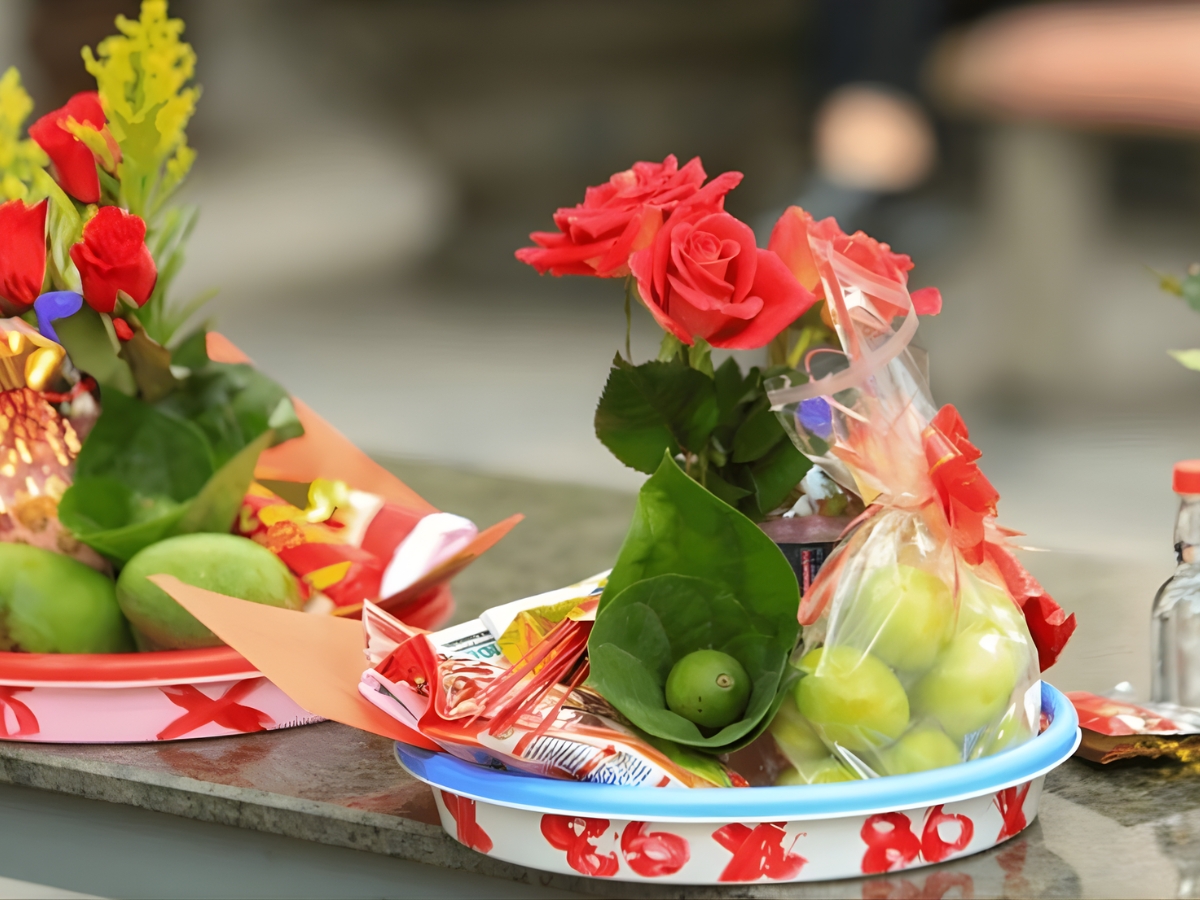
Visitors should prepare simple, sincere offerings when visiting Dong Co Temple. (Source: Collected)
5.3. Combine visits to famous tourist destinations in Thanh Hoa
After offering incense at Dong Co Temple, visitors can combine their trip with many other attractive destinations to fully explore the natural beauty and culture of Thanh Hoa.
Hai Tien Beach: The beach is famous for its long sandy beaches, gentle waves, and fresh air. This is an ideal place for relaxation after visiting historical sites. Visitors can stroll along the beach to watch the sunrise, enjoy fresh seafood dishes such as grilled squid, steamed clams, mantis shrimp stir-fried with tamarind…
Pu Luong Nature Reserve: Pu Luong is nicknamed the “green paradise” of the North Central region with majestic mountainous landscapes, terraced rice fields layered upon layered, and peaceful Thai ethnic villages. Not only does it possess pristine beauty, this place is also an ideal destination for those who love ecotourism, trekking, and exploring local culture.
Ben En National Park: It is an ideal destination for those who want to temporarily escape the city to immerse themselves in the fresh nature. The place is famous for its vast lake, in the middle of the lake are hundreds of large and small islands hidden amidst the clear blue water. Besides its picturesque natural beauty, Ben En National Park is also home to many rare animal and plant species, making it very suitable for ecotourism activities, picnics, kayaking, or overnight camping.
Huyen Tich Am Tien: Located amidst the majestic mountainous scenery of Thanh Hoa, Huyen Tich Am Tien is a spiritual tourist destination currently being planned and constructed on a large scale. Upon completion, this place promises to become a unique space for worship and sightseeing, harmoniously combining traditional Buddhist architecture and serene nature. In the future, Am Tien will be a new destination contributing to enriching the spiritual cultural exploration journey of visitors when visiting Thanh Hoa.
A visit to Dong Co Temple not only offers visitors the opportunity to worship at a sacred relic but also helps to better feel the spirit of loyalty and patriotism of our ancestors. Amidst the picturesque natural scenery, the sound of bronze drums seems to echo through time, recounting heroic stories associated with the nation's history. If you have the chance to visit Thanh Hoa, do not miss Dong Co Temple to experience the beauty of the harmony between history, spirituality, and Vietnamese identity preserved for thousands of years.