















1. General introduction to De Linh Temple Sam Son
1.1. Where is De Linh Temple Sam Son?
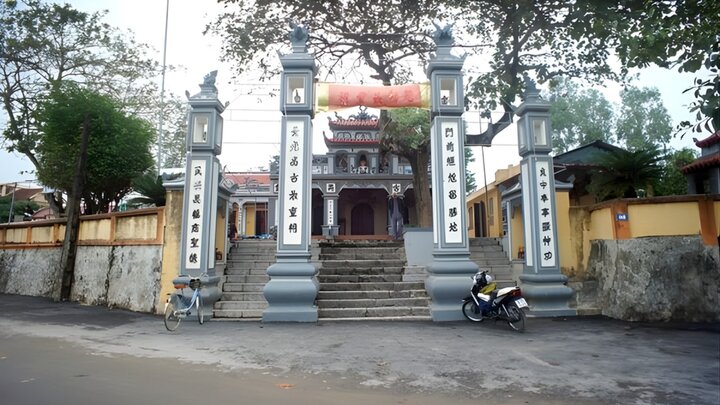
De Linh Temple Sam Son is located in Sam Son ward, a location that is both convenient for travel and possesses a quiet space, separate from the hustle and bustle of the beach tourist area. The temple is situated on a high mound; according to folk legend, this is the burial place of De Linh along with his two daughters, carrying deep spiritual significance for the local people.
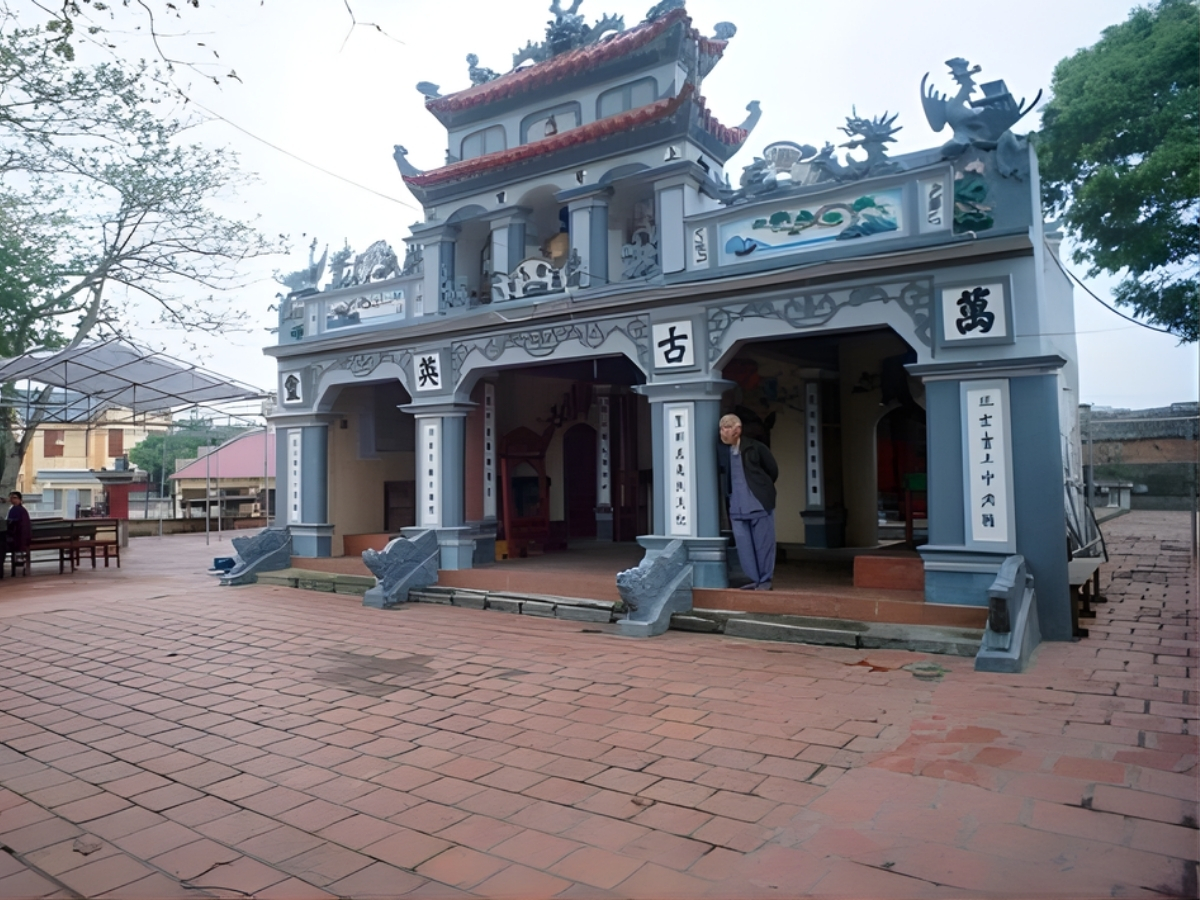
De Linh Temple Sam Son is located in Sam Son ward, convenient for tourists to visit, sightsee, and worship. (Source: Compilation)
Regarding the temple's orientation, the structure faces southwest, opening up a spacious and harmonious natural landscape. In front are vast, lush green rice fields, and further away, the gentle Do River flows day and night towards the sea, creating a space that is both solemn and peaceful. This special location has contributed to the allure of De Linh Temple Sam Son, making it a chosen destination for many tourists wishing to explore the culture and beliefs of the Thanh Hoa coastal region.
1.2. Learn about the background and life of De Linh
De Linh was a real military general in history, whose full name was Duong Cong Quang Loc, originally from Bong Bao village, Vinh Loc commune, Thanh Hoa province today. He served as an official under King Le Tuong Duc and was renowned for his exceptional talent, skilled in both civil and military affairs. He was trusted by the king, appointed to important positions, and became one of the pillars of the court. Despite being highly regarded, his talent and reputation also caused the king constant unease, as Le Tuong Duc had usurped the throne and always feared being overthrown.
Unable to directly harm such a virtuous talent, the king sought to distance De Linh from the capital by assigning him to guard a desolate coastal area with a sparse population, a region the court had little control over. At that time, Sam Son was merely alluvial plains and sand dunes, with a self-organized populace and frequent conflicts among major clans. In this place considered an exile, De Linh did not despair but began to reclaim land, stabilize the population, train troops, and teach martial arts. Thanks to his contributions, the area became peaceful, the people lived prosperous lives, and he was honored as the ancestor of the wrestling profession in Luong Trung village.
De Linh's reputation spread further, increasing the king's fear. According to legend, the king ordered the digging of the Do River, ostensibly as a reward but in reality to disrupt the sacred land's energy and isolate him. When the dragon vein was disturbed, disasters followed: crop failures, epidemics, and foreign invasions from the sea. In this isolated situation, De Linh still recruited soldiers to fight the invaders, and his two daughters disguised themselves as men to go to battle to save their father. The father and daughters fought to their last breath and were buried by the people, with a temple erected in the very land he had painstakingly developed. Through many dynasties, his merits, talent, and virtue have been remembered by posterity and became the foundation for the formation of De Linh Temple Sam Son today.
2. The Space at De Linh Temple Sam Son
The space at De Linh Temple Sam Son is rich in historical and spiritual value, clearly demonstrated through the precious artifacts preserved to this day. Besides the tomb within the temple, there are 8 royal decrees preserved here, 7 of which date back to the Le and Nguyen dynasties. Notable examples include a decree from the first year of King Le Chieu Thong's reign (1787), three decrees from King Tu Duc's reign, two decrees from King Dong Khanh's reign, and one decree from King Duy Tan's reign in 1909. These are considered significant intangible heritage, reflecting the recognition by feudal dynasties of De Linh's contributions.
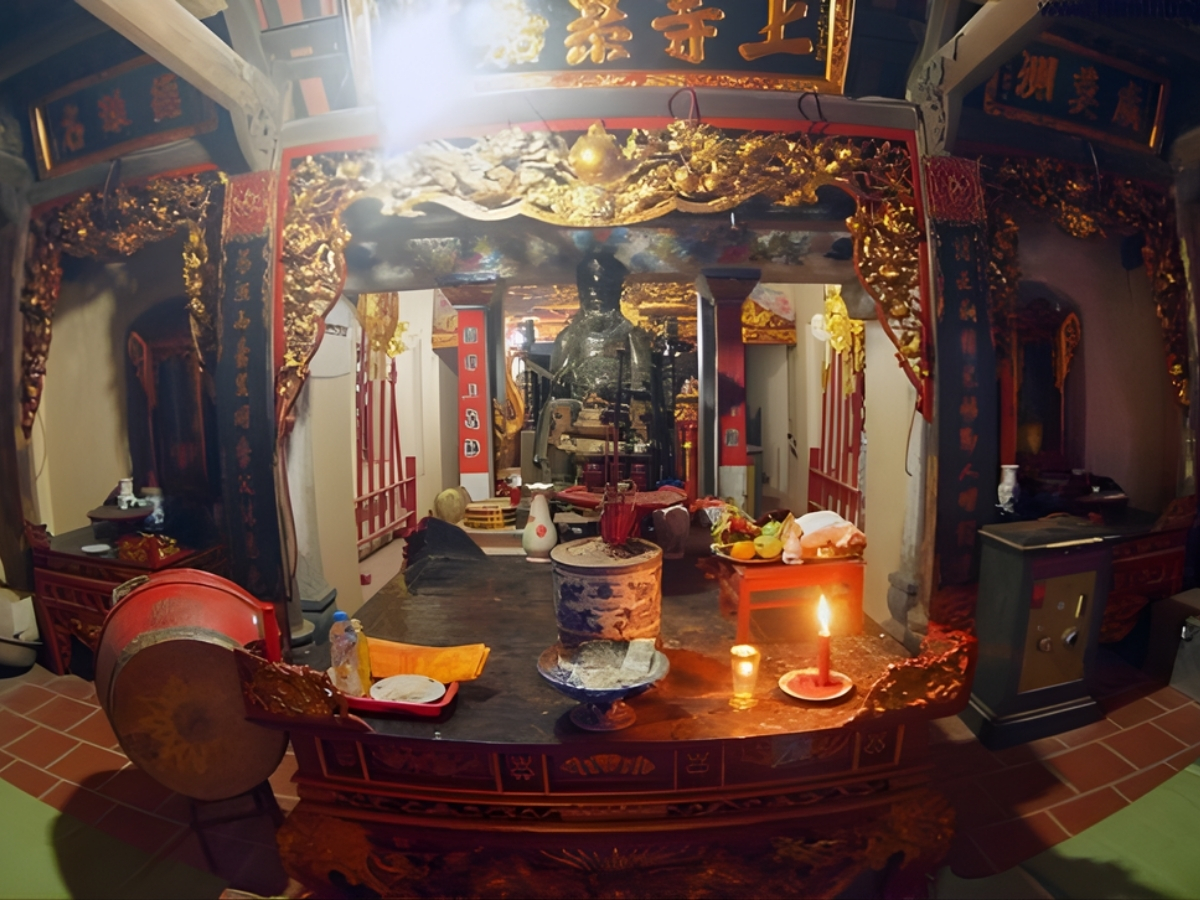
The worship space is arranged solemnly and meticulously at De Linh Sam Son Temple. (Source: Collected)
Besides royal decrees, the temple also preserves many ancient artifacts such as stone steles, stone bells, and a pair of stone dragons dating back to the Le Dynasty, contributing to a solemn and ancient worship space. Despite many centuries and numerous upheavals, the temple has always been preserved, cared for with incense offerings, and respectfully maintained by the local people. In 1993, the structure was officially recognized by the Ministry of Culture as a national historical relic, affirming the enduring cultural and spiritual value of De Linh Sam Son Temple in the spiritual life of the Thanh Hoa region.
3. Festival at De Linh Sam Son Temple
The festival at De Linh Sam Son Temple is held annually on the 17th day of the first lunar month, associated with the day the heroic Mr. De Linh sacrificed his life. On this occasion, local people solemnly perform rituals of worship and incense offering to commemorate and express gratitude to the meritorious official who made many contributions to the country. The festival atmosphere is solemn yet deeply traditional, attracting wide participation from the community and visitors from all directions.
A special highlight of the festival is the wrestling activity, a cultural practice associated with the martial spirit that De Linh fostered. Strong young men, after winning, will carry offerings to the temple to offer incense, demonstrating respect and continuing the traditions of their ancestors. Through generations, the festival is not only an occasion for commemoration but also contributes to preserving cultural identity, highlighting the role of De Linh Sam Son Temple in the spiritual and community life of the locality.
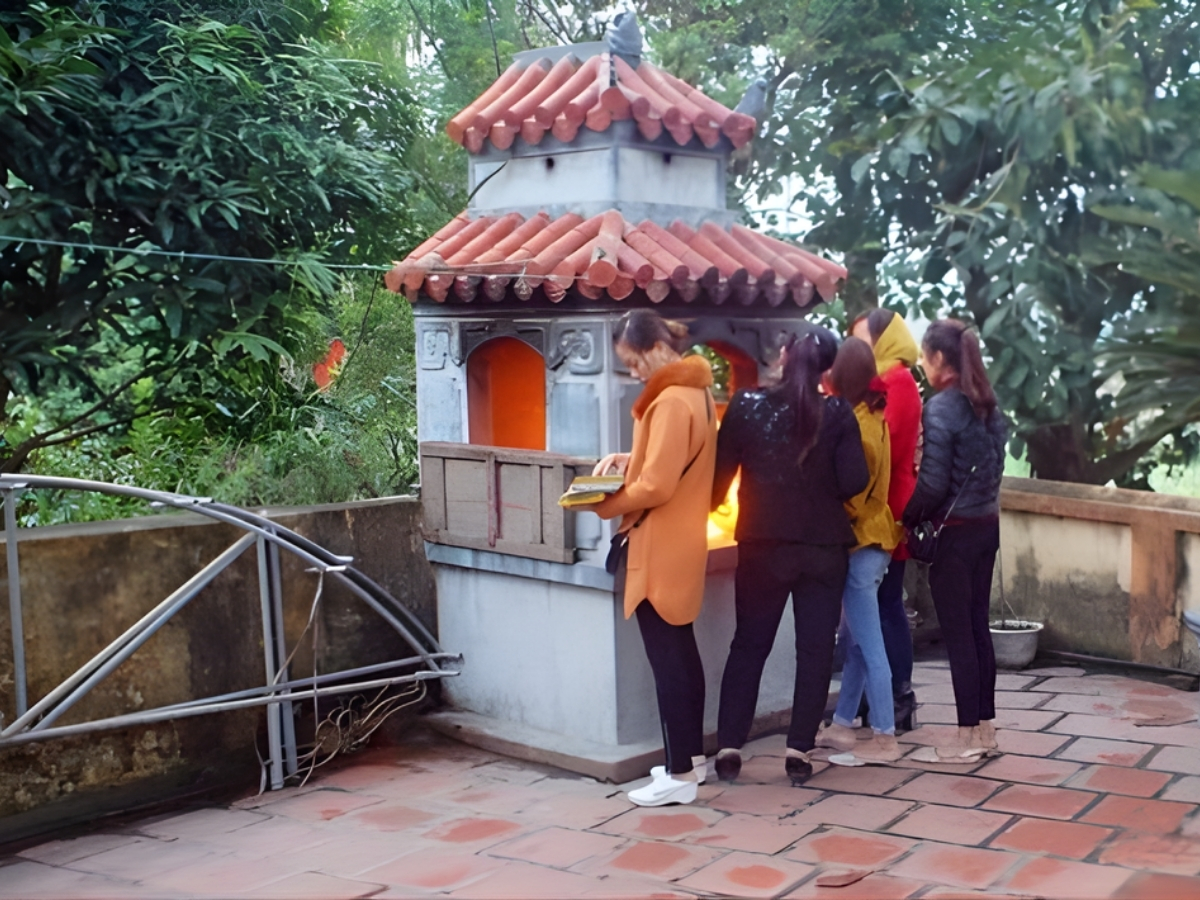
The people take care of incense offerings and express admiration for De Linh. (Source: Collected)
4. Cultural - Historical and Educational Value of the De Linh Temple in Sam Son
4.1. Cultural - Historical Value
The De Linh Temple in Sam Son is a spiritual structure associated with the life and career of a typical meritorious official in the history of the Thanh Hoa region. The relics, royal decrees, and artifacts preserved here clearly reflect the temple's existence and development through many dynasties. The worship space bears strong traditional imprints, contributing to the preservation of historical, religious, and martial values of the Sam Son coastal residents. Over time, the temple has become an important part of cultural life, a place connecting the past with the present for the local community.
4.2. Educational Value
Besides its cultural and historical significance, the De Linh Temple in Sam Son also carries profound educational value for future generations. Stories about De Linh's loyalty, sacrifice, and responsibility towards the homeland contribute to nurturing traditional consciousness and national pride. Learning about, visiting, and paying homage here helps the younger generation understand history better, appreciate the values left by their ancestors, and thus form the consciousness of preserving and promoting national cultural identity in modern life.
5. Visiting Experience at De Linh Temple in Sam Son
5.1. Important Considerations
When visiting the De Linh Temple in Sam Son, visitors should prioritize choosing neat, modest, and appropriate attire for the spiritual space. Maintaining a serious attitude, speaking softly, and moving in an orderly manner not only shows respect for the relic but also helps visitors better feel the solemn and tranquil atmosphere of the temple.
In addition, visitors should pay attention to protecting the landscape and historical artifacts within the temple grounds. Do not litter, and do not arbitrarily touch offerings or ancient artifacts are things to remember. Offering incense and worshiping should be performed in the designated areas, with moderation and sincerity, to ensure safety and maintain the tranquility of the common space.
5.2. Combine Exploration of Outstanding Destinations in Thanh Hoa Region
After completing the visit and paying homage at the temple, visitors can continue their journey to explore other outstanding destinations in Thanh Hoa to make the trip more complete and colorful. Sam Son Beach Square is an ideal choice for strolling, relaxing, and enjoying the vibrant atmosphere of the coastal city. The spacious area, modern design, along with the vast blue sea view, helps visitors easily immerse themselves in the dynamic pace of life, while capturing many beautiful moments during the trip. 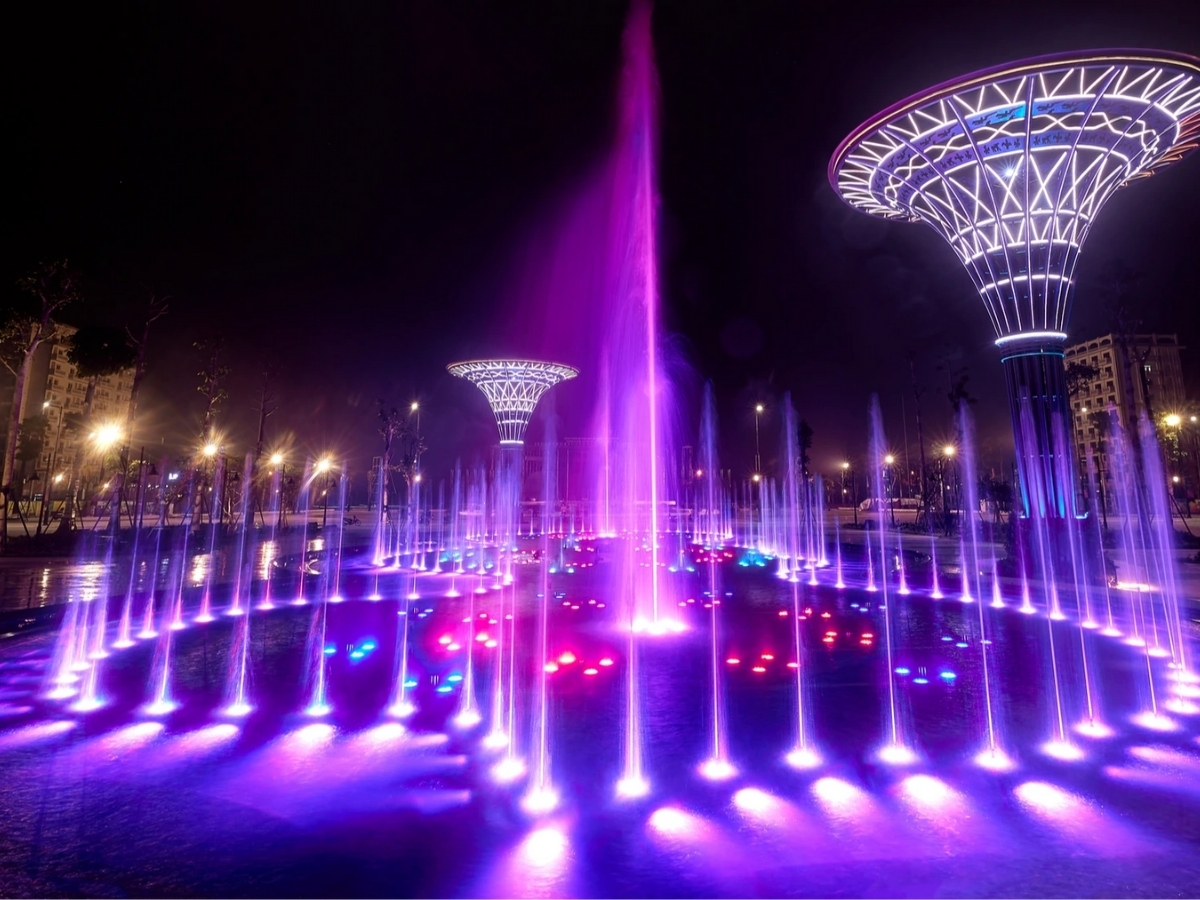
Enjoy the spectacular water music performance at Sam Son beach square. (Source: Collection)
Besides, combining visits to other famous landmarks will bring more diverse experiences. Doc Co Temple and Co Tien Pagoda impress with their ancient spiritual space, associated with ancient legendary stories. Ho Dynasty Citadel offers a deep insight into the history and unique architecture of the ancient dynasty, while Ben En ecological tourist area brings a fresh, peaceful natural landscape with lakes and vast green forests. The harmonious combination of spiritual, cultural, and natural tourism will help visitors feel more clearly the rich and diverse beauty of Thanh Hoa.
Amidst the vibrant rhythm of the coastal city, the ancient temple still quietly exists as a spiritual anchor rich in historical and cultural value. The transmitted stories, the solemn atmosphere, and the marks of time make each visit more profound and memorable. If you are looking for a destination that is both spiritually meaningful and helps you understand more about the traditions and people of Thanh Hoa, don't miss the opportunity to visit De Linh Sam Son Temple to fully feel the sacred and peaceful beauty here.