
















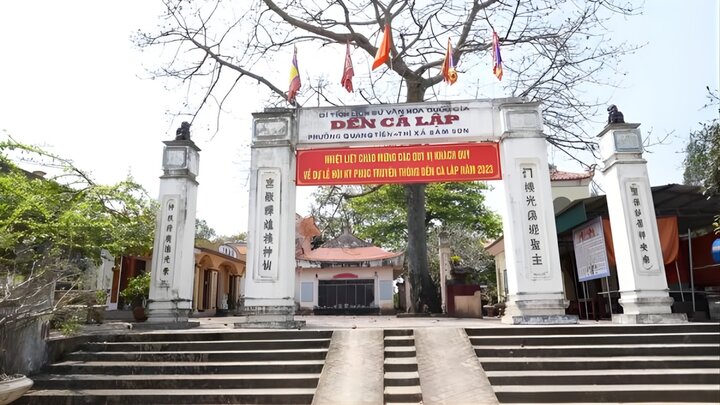
1. General introduction about Ca Lap Temple
Ca Lap Temple is located in Sam Son ward, Thanh Hoa province, and is considered one of the important spiritual relics of this coastal area. For the people of Sam Son, especially fishermen who have been following the sea trade for generations, the temple is not only a place of spiritual activity but also a place to express deep reverence for Tay Phuong Dai Tuong Quan – the sacred general worshipped in this National relic. Therefore, Ca Lap Temple is always an indispensable destination in the spiritual cultural journey when traveling to Sam Son.
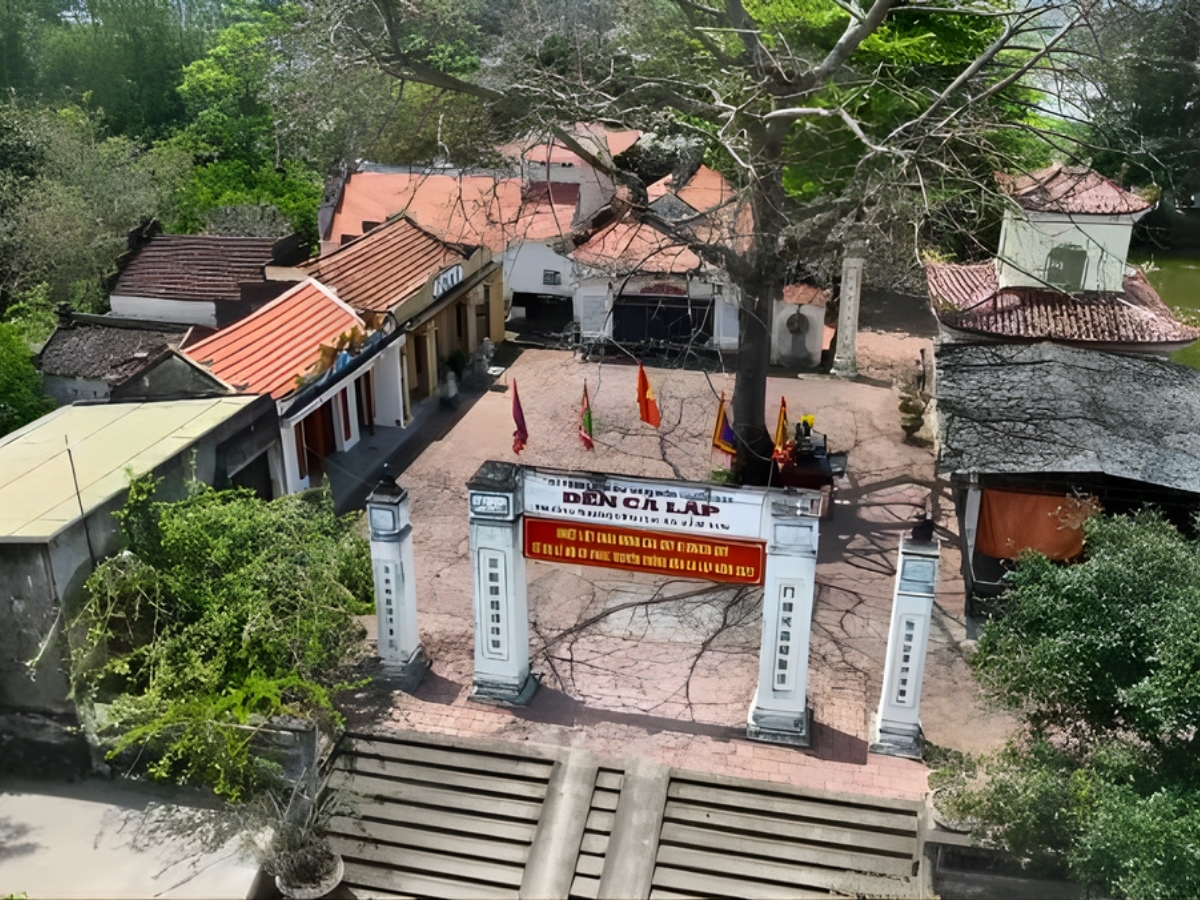
Cá Lập Temple is located in Sầm Sơn ward, Thanh Hóa province. (Source: Collected)
According to legend and transmitted documents, Tây Phương Đại tướng quân was a general who made significant contributions to the two resistance wars against the Mongol invaders of the Trần dynasty in the 13th century. When the country was at peace, he was not only a symbol of the spirit of protecting the nation but was also remembered by the people for teaching them to venture out to sea and exploit marine resources for a living. Cá Lập Temple is also known by many other names such as the temple worshipping Tây Phương Thành hoàng of Quảng Tiến commune, Nghè làng Trấp, or its chữ name Tướng công linh từ. Despite different names, they all refer to the same sacred general, whom the people of Sầm Sơn have respectfully honored for generations as Tây Phương Đại tướng quân.
2. History of Cá Lập Temple's formation
According to ancient historical records such as Đại Việt sử ký toàn thư, Đại Nam thống chí, and An Nam chí lược, in the mid-13th century, as the lives of the Đại Việt people were gradually stabilizing, harvests were abundant, and villages were more organized, the Mongol invaders poured in from the north. The enemy's horses brought with them scenes of ruined ramparts, collapsed houses, dead or enslaved people, pushing the country into a period of great upheaval and challenge.
In that context, Thanh Hóa became a strategic area, where many fierce battles took place to prevent the invaders' advance. History still records the important battle at Cửa Hới, in the former Cá Lập village, now Sầm Sơn ward, with the objective of blocking the Mongol army's pursuit and ensuring the safe retreat of the Trần king and his court by sea. In this battle, Tây Phương Tướng quân, a son of Cá Lập village, renowned for his martial arts skills and knowledge of waterways, demonstrated his intelligence, bravery, and self-sacrificing spirit to protect the nation.
In memory of this great contribution, the Trần dynasty court issued a decree to deify him and entrusted the villagers with building Cá Lập Temple for worship and year-round incense offerings. Later, Tây Phương Tướng quân was conferred the title Tây Phương Đại tướng quân, with the honorific title “Đại vương thượng đẳng”, and subsequent dynasties continued to issue many decrees honoring his merits in defending the country and helping the people. Legend has it that when Bình Định Vương Lê Lợi raised the banner of rebellion, he also sent his soldiers with offerings to Cá Lập Temple to pray, and received divine assistance. After ascending the throne, King Lê Thái Tổ continued to issue decrees, ordered the renovation of the temple, and stipulated the spring and autumn ritual ceremonies, affirming the sacred status and enduring historical value of Cá Lập Temple in the spiritual life of the people of Thanh Hóa.
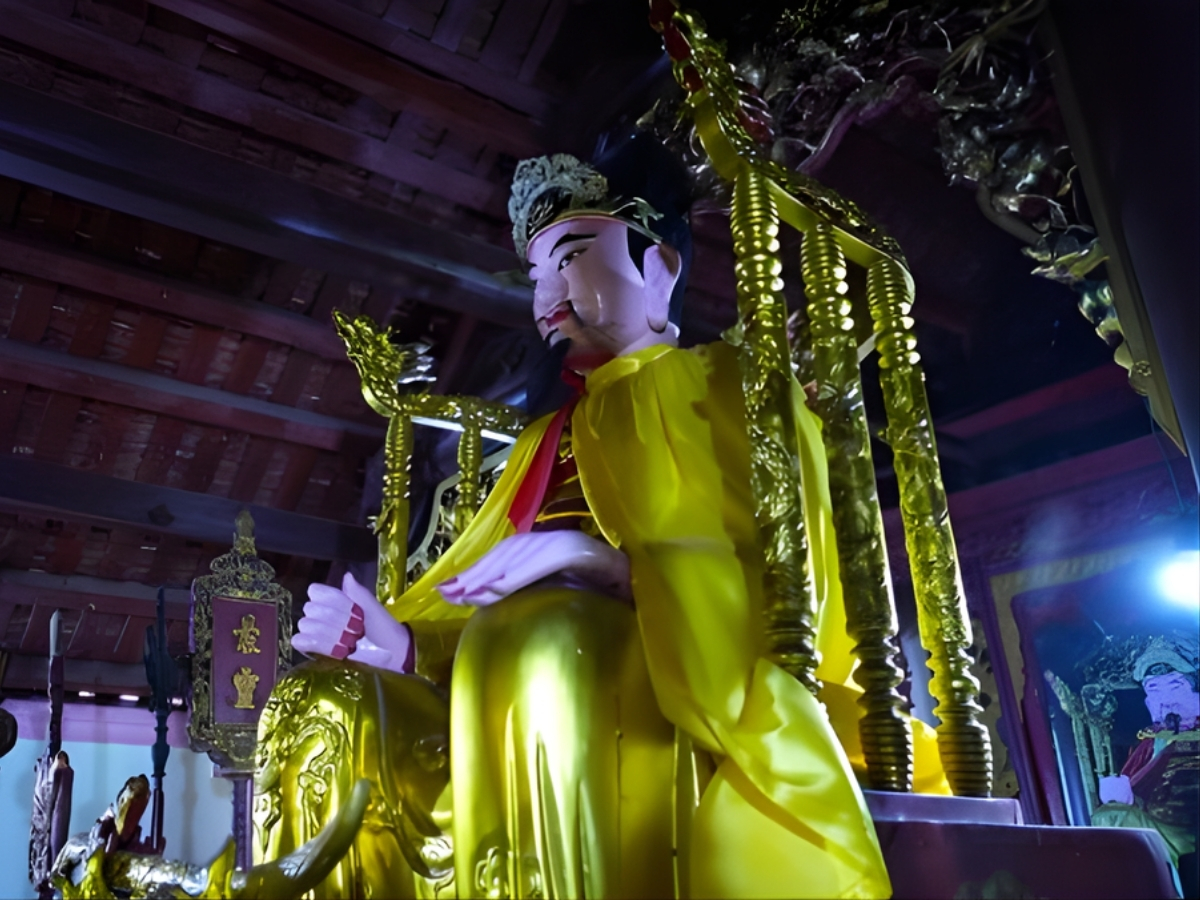
Ca Lap Temple has a history of over 900 years. (Source: Collected)
3. Explore the architecture and relics at Ca Lap Temple
Having gone through over 700 years of formation and many renovations, Ca Lap Temple is still preserved and protected by the people of the Sam Son coastal area as an important spiritual belief site. The temple is not only a place to worship Tay Phuong Dai Tuong Quan but also expresses the deep gratitude and admiration of the coastal residents for the talented general who contributed to defending the country and protecting livelihoods at sea.
Visiting Ca Lap Temple today, visitors can easily feel the imprint of time that has brought certain changes to the relic's appearance. Nevertheless, the temple still preserves many valuable ancient artifacts such as worship statues, altars, bell stands, bronze cranes, halberds, chess pieces, swords, and ancient couplets. In particular, the system of 8 royal decrees granted through various dynasties is still carefully preserved, becoming vivid evidence of the temple's long history, cultural value, and sacred status in the spiritual life of the people of Thanh Hoa.
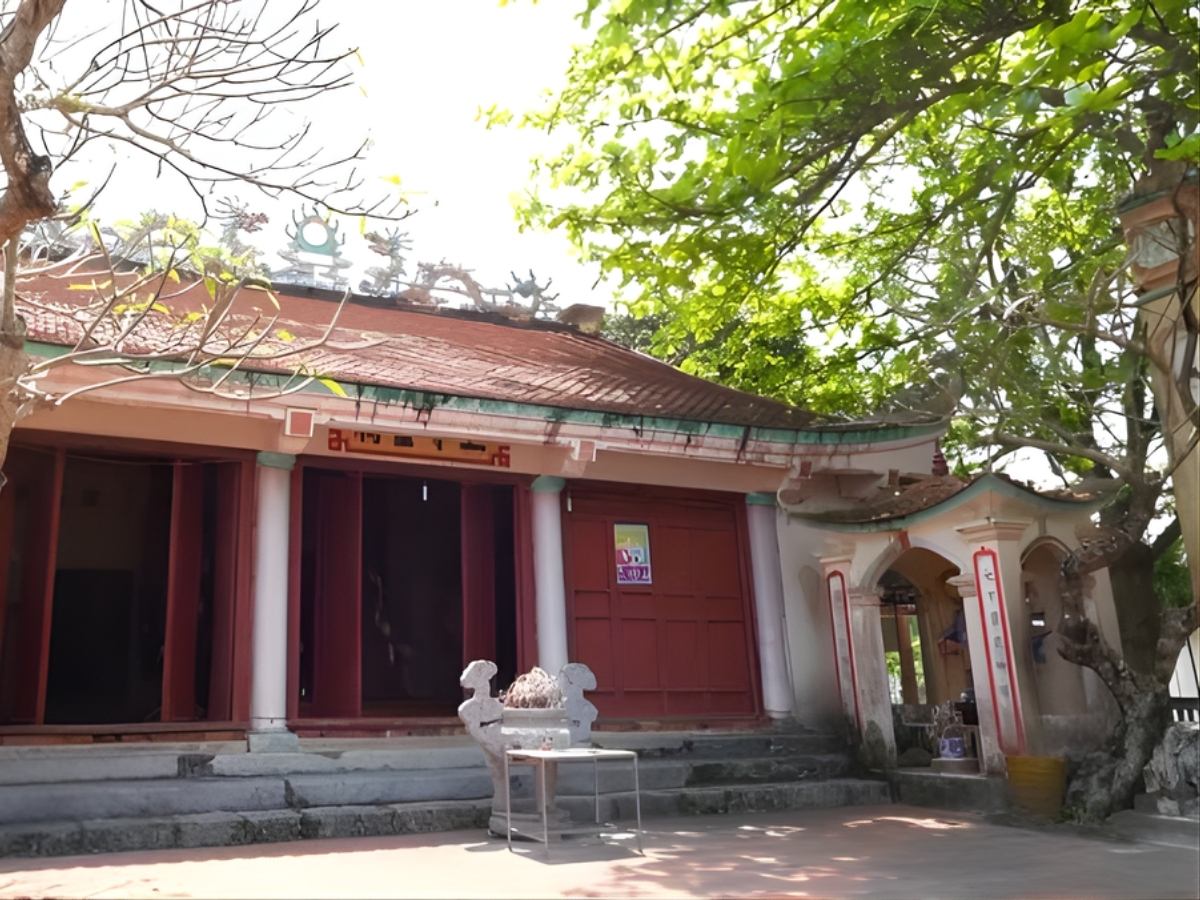
The temple has been renovated but still retains its solemnity and antiquity. (Source: Collected)
4. Historical, Cultural, and Spiritual Values of Ca Lap Temple
Ca Lap Temple holds deep historical value, associated with the heroic pages of the nation's history during the resistance wars against foreign invaders in the Tran Dynasty. The worship of Tay Phuong Dai Tuong Quan is not only an acknowledgment of the merits of a talented general but also reflects the patriotic spirit, indomitable will, and the tradition of remembering one's roots of the people of Thanh Hoa. Through many centuries, the temple remains an important historical testament, contributing to preserving and transmitting historical and cultural values to future generations.
Besides its historical value, Ca Lap Temple is also a sacred spiritual space closely connected with the spiritual life of the people in the coastal area of Sam Son. For fishermen, the temple is a place to place their faith, praying for peace, favorable weather, and smooth fishing trips. The rituals and customs maintained over generations have created a unique spiritual cultural identity of the fishing village, contributing to enriching the treasure trove of beliefs of Thanh Hoa and the North Central Coast region.
5. Suggested Itinerary for Visiting Ca Lap Temple combined with Sam Son Experience
Visitors can start their journey early in the morning by visiting Ca Lap Temple , a time when the space is still quiet and fresh, very suitable for worship and offering incense. After completing the rituals, visitors should take time to admire the architecture, learn about the temple's formation history, and take souvenir photos in the ancient spiritual space, imbued with the cultural imprint of the old fishing village.
Leaving Ca Lap Temple , visitors can wander around the Quang Tien fishing village area to feel the simple rhythm of local life. The images of fishermen preparing to go out to sea and the daily activities of the coastal fishing village will offer visitors a realistic and close-up view of life in the Sam Son coastal area, before continuing their journey to explore other prominent destinations.
In the afternoon, the journey can continue with a visit to the sacred Doc Cuoc Temple on Truong Le Mountain, which offers a beautiful view of the sea. Afterwards, visitors can relax on Sam Son beach, enjoy the cool water and fresh sea air. As the sun sets, don't forget to stroll and check in at the modern and vibrant Sam Son Sea Square, then end the day's tour by enjoying fresh seafood and local specialties, making the trip complete and memorable.
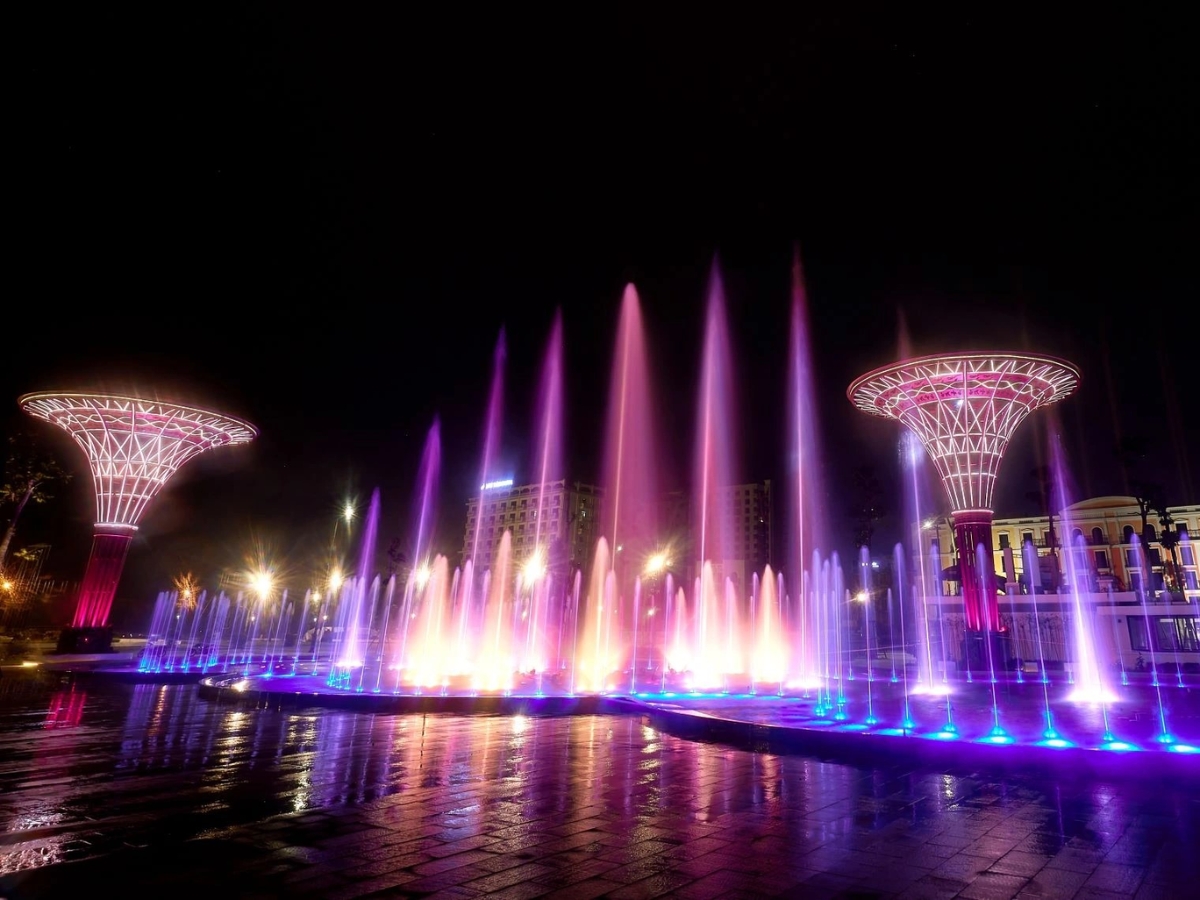
Admire the spectacular, colorful water music performance at Sam Son beach square. (Source: Collected)
6. Visiting experience at Ca Lap Temple
6.1. Outfits and items to prepare
When visiting Ca Lap Temple, visitors should choose polite, discreet attire, suitable for a spiritual space. Neat clothing, gentle colors will help visitors show respect when offering incense and paying homage. As the temple grounds have many pathways and steps, wearing low-heeled, easy-to-move-in shoes will make the visit more convenient and safer.
Besides attire, visitors should also prepare simple offerings to show sincerity, such as incense, flowers, savory or vegetarian offerings depending on custom. Additionally, some personal items like drinking water, hats, and sunscreen are necessary, especially when combining visits to other tourist spots in Sam Son on the same day.
6.2. Dos and Don'ts when visiting
During your visit to Ca Lap Temple, visitors must pay attention to maintaining a solemn attitude, speaking softly, and adhering to the regulations at the relic site. Maintaining order, not littering, or disturbing the general landscape is a way to show respect for the spiritual space and historical value of the temple.
Besides, visitors should behave civilly, be friendly with local people, and respect traditional customs and practices. Do not arbitrarily touch ancient artifacts, do not write or damage the relic will contribute to preserving Ca Lap Temple for future generations, and also help the visit be more meaningful and complete.
With its long history, unique cultural and spiritual values, and its connection to the life of Sam Son's fishing villages, Ca Lap Temple is a meaningful destination for those who want to learn about history, pay homage, and experience the beauty of Thanh's folk beliefs. This place not only preserves the imprint of a talented general but is also a place where generations of fishermen entrust their faith and wishes for peace. If you have the chance to visit Sam Son, don't forget to take time to visit Ca Lap Temple to admire the scenery, offer incense, and fully appreciate the special spiritual value of this sacred temple.