
















1. Thanh Ha Pagoda에 대한 간략한 소개
Thanh Ha Pagoda는 Thanh Hoa성 Hac Thanh 구, Ben Ngự 34번지에 위치한 Thanh Hoa 지역에서 가장 신성하고 유명한 고대 사찰 중 하나입니다. 방문객과 불교 신자들은 국도 1A에서 Hac Thanh 구 쪽 교차로에서 우회전하여 Truong Thi 거리를 따라 Ngã Ba Bia에 도착한 후 Ben Ngự 거리로 향합니다. 가까이 다가가면 푸른 나무들 뒤로 희미하게 보이는 왼쪽 편에 웅장하고 엄숙한 종루가 있는 삼문(Tam Quan)이 보이며, 이곳이 바로 Thanh Ha Pagoda입니다.
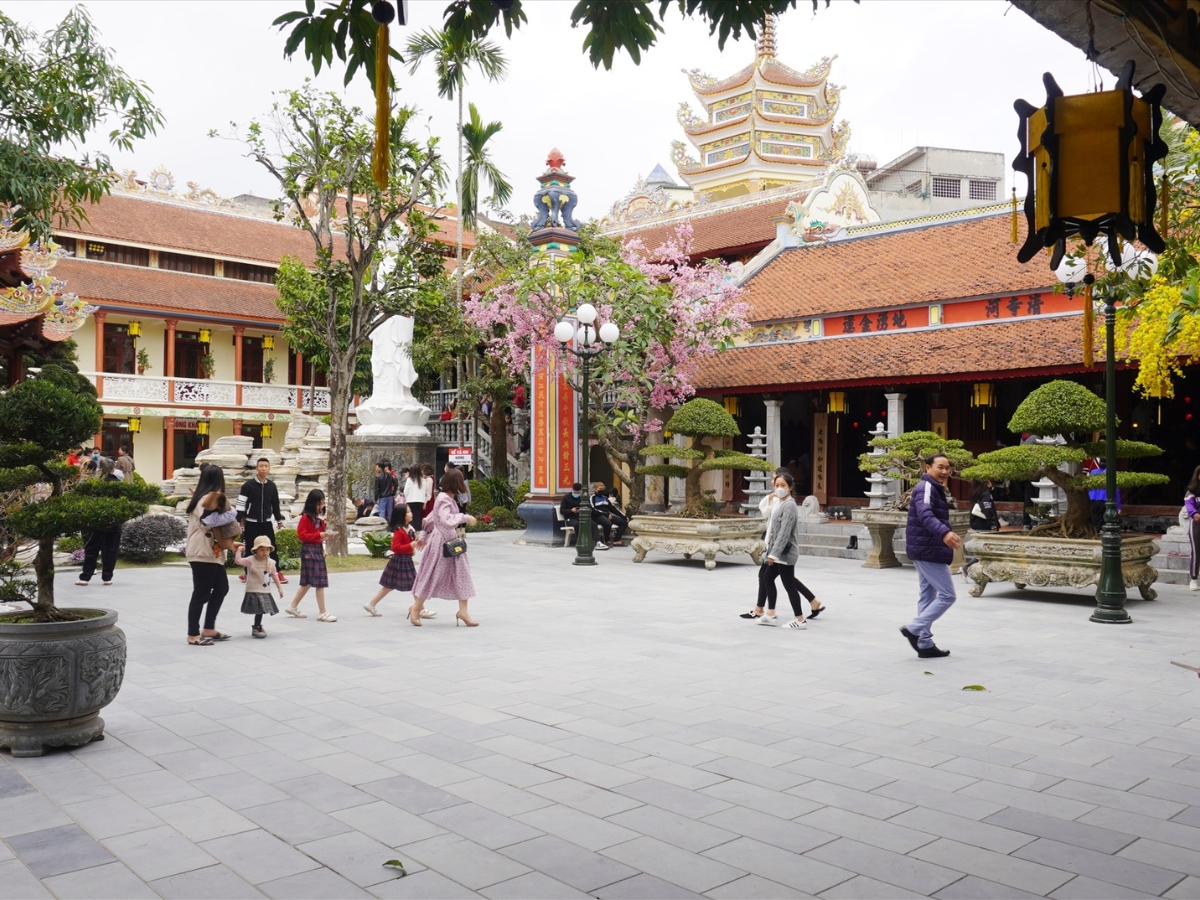
Thanh Ha Pagoda is one of the most sacred ancient pagodas in the Thanh region. (Source: Lao Dong Newspaper)
Not only is it a sacred pilgrimage site, but Thanh Ha Pagoda also serves as the headquarters of the Thanh Hoa Provincial Buddhist Sangha Executive Committee, hosting many important religious events and festivals of the local Buddhism. The pagoda's serene atmosphere, with the sound of bells echoing in the heart of the city, makes it a peaceful haven for those seeking tranquility amidst the hustle and bustle of urban life.
2. Understanding the history and cultural value of Thanh Ha Pagoda
2.1. Historical imprints of Thanh Ha Pagoda through each period
According to ancient documents, Thanh Ha Pagoda was founded during the Tran Dynasty, around the 13th century. Legend has it that during a campaign against Chiem Thanh, King Tran Thai Tong visited the pagoda to offer incense and pray for peace and prosperity for the nation, making it one of the most sacred pagodas in the Thanh region.
In the Nguyen Dynasty, the pagoda continued to play an important role in spiritual life. In the first year of Thanh Thai (1889), the king issued a decree for the restoration of temples and pagodas and the continuation of traditional worship, including Thanh Ha Pagoda. This affirmed the value and position of this ancient pagoda in the spiritual and cultural life of the people. In the 10th year of Bao Dai (1935), the pagoda underwent a major renovation with contributions from the villagers and support from the Hoanh district official. The Most Venerable of Huong Du Pagoda (Ninh Binh) assigned Master Thich Thanh Trinh and Thich Thanh Duc to directly design and supervise the construction. The inauguration ceremony of the pagoda was celebrated with great fanfare, becoming a significant festival for the entire region.
Throughout the two resistance wars against the French and Americans, Thanh Ha Pagoda was damaged by bombs but steadfastly endured, being renovated and restored many times after peace was restored. Today, the pagoda is not only a typical historical and cultural relic but also a prominent spiritual destination, attracting a large number of Buddhists and tourists for worship and to find peace.
2.2. Role in moral and spiritual education for the younger generation
Besides being a spiritual destination for the people of Thanh, Thanh Ha Pagoda plays a crucial role in nurturing and educating the youth in morality and enriching their spiritual lives. Amidst the turbulent modern life, the pagoda serves as a space for young people to set aside academic and technological pressures, return to peace, listen to themselves, and learn to live slowly and virtuously.
Through study programs, dharma talks, and group activities, the pagoda helps young people better understand fundamental moral values such as filial piety, gratitude towards parents, the spirit of sharing, honesty, and goodness. Each course, lecture, or activity is organized gently and intimately, combining Buddhist teachings with practical life skills lessons, helping them form positive thinking, respect themselves, love others, and live more responsibly towards society.
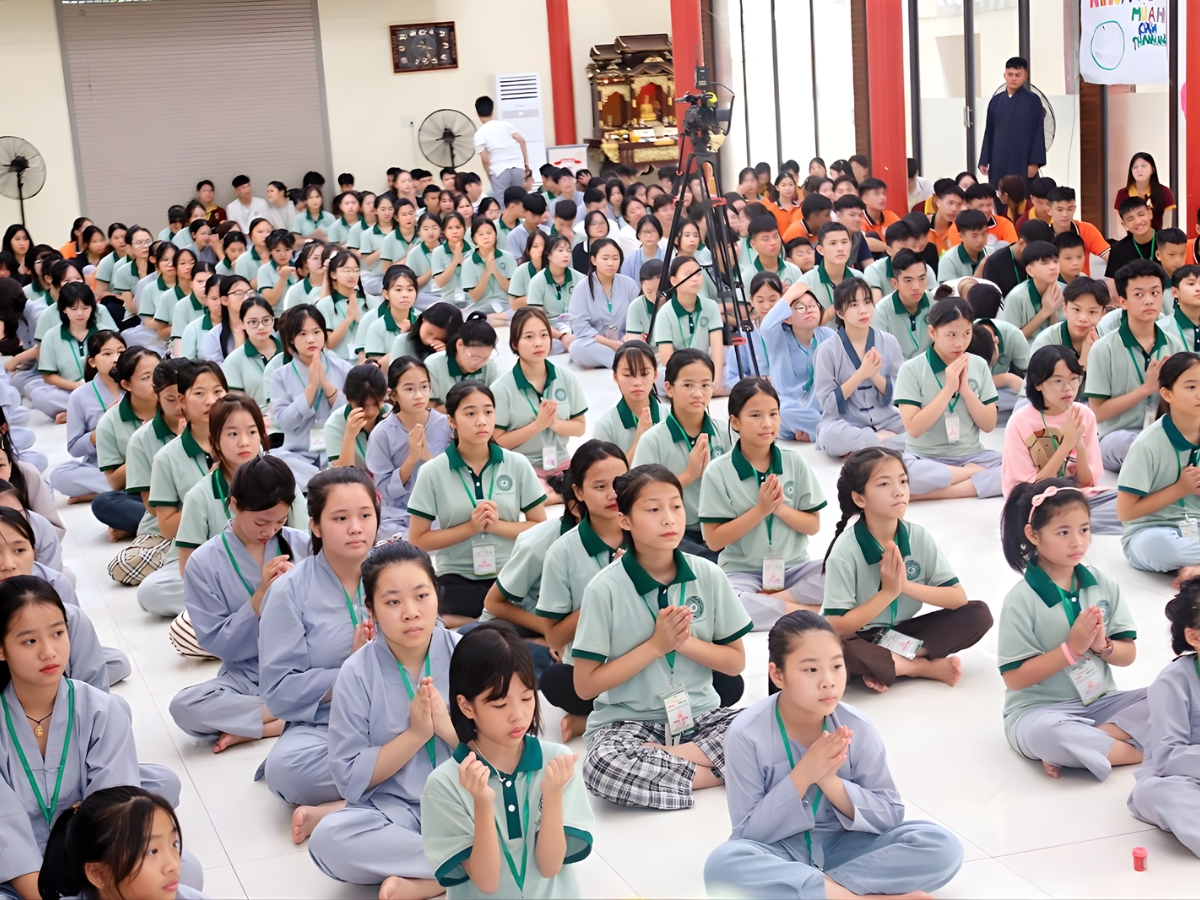 청탄하 사찰은 젊은 세대를 위한 도덕적, 정신적 교육을 위해 수행 과정을 조직합니다. (출처: 수집)
사찰의 고요하고 평화로운 공간은 청소년들이 집중력을 기르고, 감정을 조절하며, 선한 마음을 갖도록 돕는 환경이기도 합니다. 이러한 깊은 인간적 가치를 지닌 활동 덕분에, 청탄하 사찰은 불교 순례지가 될 뿐만 아니라, 자비롭고 관용적이며 동정심 많은 젊은 세대를 건설하는 데 중요한 역할을 하는 특별한 “도덕 학교”이기도 합니다.
3. 청탄하 사찰의 고풍스러운 건축미와 독특한 문화 공간
3.1. 청탄하 사찰의 전체적인 건축과 영적 공간
청탄하 사찰은 응우옌 왕조 시대의 전통 건축 양식을 띠고 있지만, 독특하고 고풍스러우며 조화로운 특징을 유지하고 있습니다. 사찰 전체는 자연 공간과 불교 건축물 간의 균형 잡힌 배치를 통해 장엄하면서도 친근한 아름다움을 선사합니다. 삼관문을 지나면 고요한 공간에 이르게 되는데, 이곳에서는 울려 퍼지는 종소리와 은은한 향이 어우러져 마음이 모든 번뇌로부터 정화되는 듯한 느낌을 줍니다.
불전에는 불상이 신중하게 배치되어 불교의 깊은 정신을 표현하고 있습니다. 삼세불 뒤에는 아미타불상이 가장 큰 크기로 배치되어 무한한 지혜와 자비를 상징합니다. 이어서 깨달음을 대표하는 석가모니불, 그리고 고통받는 중생을 구제하는 자비의 상징인 천수천안관음보살상이 있습니다. 마지막으로 구룡탑에는 어린 석가모니불상이 법을 설하는 자세로 모셔져 있습니다. 간결하고 화려하지 않은 배치는 청탄하 사찰의 불전 공간을 맑고 가볍게 만들면서도 위엄과 신성함을 느끼게 합니다.
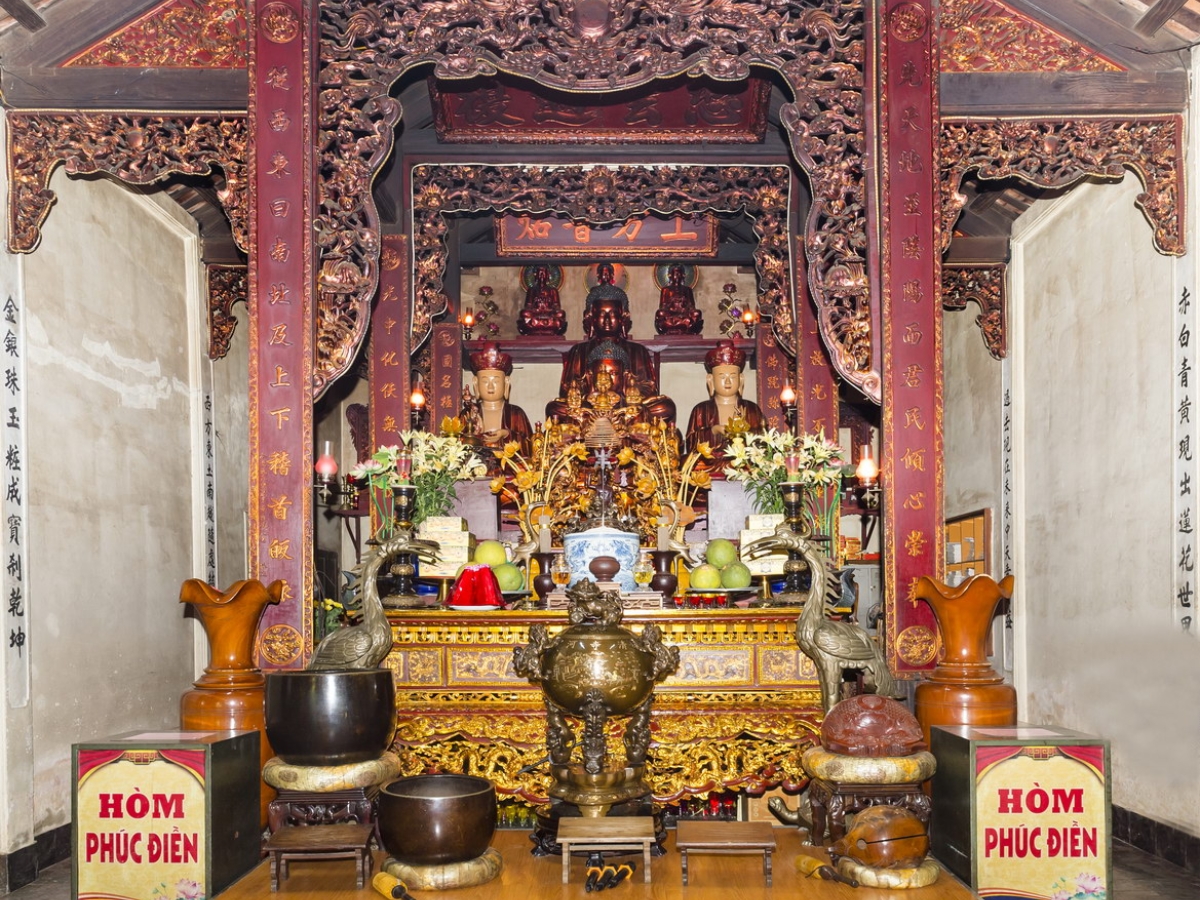
제단 구역은 신중하고 엄숙하게 장식되어 있습니다. (출처: 수집)
정전의 두드러짐뿐만 아니라, 탄하 사찰(Chua Thanh Ha)의 전체 부지는 사찰의 주요 건물 외에도 사찰의 주요 건물 외에도 사찰의 주요 건물 외에도 사찰의 주요 건물 외에도 사찰의 주요 건물 외에도 사찰의 주요 건물 외에도 사찰의 주요 건물 외에도 사찰의 주요 건물 외에도 사찰의 주요 건물 외에도 사찰의 주요 건물 외에도 사찰의 주요 건물 외에도 사찰의 주요 건물 외에도 사찰의 주요 건물 외에도 사찰의 주요 건물 외에도 사찰의 주요 건물 외에도 사찰의 주요 건물 외에도 사찰의 주요 건물 외에도 사찰의 주요 건물 외에도 사찰의 주요 건물 외에도 사찰의 주요 건물 외에도 사찰의 주요 건물 외에도 사찰의 주요 건물 외에도 사찰의 주요 건물 외에도 사찰의 주요 건물 외에도 사찰의 주요 건물 외에도 사찰의 주요 건물 외에도 사찰의 주요 건물 외에도 사찰의 주요 건물 외에도 사찰의 주요 건물 외에도 사찰의 주요 건물 외에도 사찰의 주요 건물 외에도 사찰의 주요 건물 외에도 사찰의 주요 건물 외에도 사찰의 주요 건물 외에도 사찰의 주요 건물 외에도 사찰의 주요 건물 외에도 사찰의 주요 건물 외에도 사찰의 주요 건물 외에도 사찰의 주요 건물 외에도 사찰의 주요 건물 외에도 사찰의 주요 건물 외에도 사찰의 주요 건물 외에도 사찰의 주요 건물 외에도 사찰의 주요 건물 외에도 사찰의 주요 건물 외에도 사찰의 주요 건물 외에도 사찰의 주요 건물 외에도 사찰의 주요 건물 외에도 사찰의 주요 건물 외에도 사찰의 주요 건물 외에도 사찰의 주요 건물 외에도 사찰의 주요 건물 외에도 사찰의 주요 건물 외에도 사찰의 주요 건물 외에도 사찰의 주요 건물 외에도 사찰의 주요 건물 외에도 사찰의 주요 건물 외에도 사찰의 주요 건물 외에도 사찰의 주요 건물 외에도 사찰의 주요 건물 외에도 사찰의 주요 건물 외에도 사찰의 주요 건물 외에도 사찰의 주요 건물 외에도 사찰의 주요 건물 외에도 사찰의 주요 건물 외에도 사찰의 주요 건물 외에도 사찰의 주요 건물 외에도 사찰의 주요 건물 외에도 사찰의 주요 건물 외에도 사찰의 주요 건물 외에도 사찰의 주요 건물 외에도 사찰의 주요 건물 외에도 사찰의 주요 건물 외에도 사찰의 주요 건물 외에도 사찰의 주요 건물 외에도 사찰의 주요 건물 외에도 사찰의 주요 건물 외에도 사찰의 주요 건물 외에도 사찰의 주요 건물 외에도 사찰의 주요 건물 외에도 사찰의 주요 건물 외에도 사찰의 주요 건물 외에도 사찰의 주요 건물 외에도 사찰의 주요 건물 외에도 사찰의 주요 건물 외에도 사찰의 주요 건물 외에도 사찰의 주요 건물 외에도 사찰의 주요 건물 외에도 사찰의 주요 건물 외에도 사찰의 주요 건물 외에도 사찰의 주요 건물 외에도 사찰의 주요 건물 외에도 사찰의 주요 건물 외에도 사찰의 주요 건물 외에도 사찰의 주요 건물 외에도 사찰의 주요 건물 외에도 사찰의 주요 건물 외에도 사찰의 주요 건물 외에도 사찰의 주요 건물 외에도 사찰의 주요 건물 외에도 사찰의 주요 건물 외에도 사찰의 주요 건물 외에도 사찰의 주요 건물 외에도 사찰의 주요 건물 외에도 사찰의 주요 건물 외에도 사찰의 주요 건물 외에도 사찰의 주요 건물 외에도 사찰의 주요 건물 외에도 사찰의 주요 건물 외에도 사찰의 주요 건물 외에도 사찰의 주요 건물 외에도 사찰의 주요 건물 외에도 사찰의 주요 건물 외에도 사찰의 주요 건물 외에도 사찰의 주요 건물 외에도 사찰의 주요 건물 외에도 사찰의 주요 건물 외에도 사찰의 주요 건물 외에도 사찰의 주요 건물 외에도 사찰의 주요 건물 외에도 사찰의 주요 건물 외에도 사찰의 주요 건물 외에도 사찰의 주요 건물 외에도 사찰의 주요 건물 외에도 사찰의 주요 건물 외에도 사찰의 주요 건물 외에도 사찰의 주요 건물 외에도 사찰의 주요 건물 외에도 사찰의 주요 건물 외에도 사찰의 주요 건물 외에도 사찰의 주요 건물 외에도 사찰의 주요 건물 외에도 사찰의 주요 건물 외에도 사찰의 주요 건물 외에도 사찰의 주요 건물 외에도 사찰의 주요 건물 외에도 사찰의 주요 건물 외에도 사찰의 주요 건물 외에도 사찰의 주요 건물 외에도 사찰의 주요 건물 외에도 사찰의 주요 건물 외에도 사찰의 주요 건물 외에도 사찰의 주요 건물 외에도 사찰의 주요 건물 외에도 사찰의 주요 건물 외에도 사찰의 주요 건물 외에도 사찰의 주요 건물 외에도 사찰의 주요 건물 외에도 사찰의 주요 건물 외에도 사찰의 주요 건물 외에도 사찰의 주요 건물 외에도 사찰의 주요 건물 외에도 사찰의 주요 건물 외에도 사찰의 주요 건물 외에도 사찰의 주요 건물 외에도 사찰의 주요 건물 외에도 사찰의 주요 건물 외에도 사찰의 주요 건물 외에도 사찰의 주요 건물 외에도 사찰의 주요 건물 외에도 사찰의 주요 건물 외에도 사찰의 주요 건물 외에도 사찰의 주요 건물 외에도 사찰의 주요 건물 외에도 사찰의 주요 건물 외에도 사찰의 주요 건물 외에도 사찰의 주요 건물 외에도 사찰의 주요 건물 외에도 사찰의 주요 건물 외에도 사찰의 주요 건물 외에도 사찰의 주요 건물 외에도 사찰의 주요 건물 외에도 사찰의 주요 건물 외에도 사찰의 주요 건물 외에도 사찰의 주요 건물 외에도 사찰의 주요 건물 외에도 사찰의 주요 건물 외에도 사찰의 주요 건물 외에도 사찰의 주요 건물 외에도 사찰의 주요 건물 외에도 사찰의 주요 건물 외에도 사찰의 주요 건물 외에도 사찰의 주요 건물 외에도 사찰의 주요 건물 외에도 사찰의 주요 건물 외에도 사찰의 주요 건물 외에도 사찰의 주요 건물 외에도 사찰의 주요 건물 외에도 사찰의 주요 건물 외에도 사찰의 주요 건물 외에도 사찰의 주요 건물 외에도 사찰의 주요 건물 외에도 사찰의 주요 건물 외에도 사찰의 주요 건물 외에도 사찰의 주요 건물 외에도 사찰의 주요 건물 외에도 사찰의 주요 건물 외에도 사찰의 주요 건물 외에도 사찰의 주요 건물 외에도 사찰의 주요 건물 외에도 사찰의 주요 건물 외에도 사찰의 주요 건물 외에도 사찰의 주요 건물 외에도 사찰의 주요 건물 외에도 사찰의 주요 건물 외에도 사찰의 주요 건물 외에도 사찰의 주요 건물 외에도 사찰의 주요 건물 외에도 사찰의 주요 건물 외에도 사찰의 주요 건물 외에도 사찰의 주요 건물 외에도 사찰의 주요 건물 외에도 사찰의 주요 건물 외에도 사찰의 주요 건물 외에도 사찰의 주요 건물 외에도 사찰의 주요 건물 외에도 사찰의 주요 건물 외에도 사찰의 주요 건물 외에도 사찰의 주요 건물 외에도 사찰의 주요 건물 외에도 사찰의 주요 건물 외에도 사찰의 주요 건물 외에도 사찰의 주요 건물 외에도 사찰의 주요 건물 외에도 사찰의 주요 건물 외에도 사찰의 주요 건물 외에도 사찰의 주요 건물 외에도 사찰의 주요 건물 외에도 사찰의 주요 건물 외에도 사찰의 주요 건물 외에도 사찰의 주요 건물 외에도 사찰의 주요 건물 외에도 사찰의 주요 건물 외에도 사찰의 주요 건물 외에도 사찰의 주요 건물 외에도 사찰의 주요 건물 외에도 사찰의 주요 건물 외에도 사찰의 주요 건물 외에도 사찰의 주요 건물 외에도 사찰의 주요 건물 외에도 사찰의 주요 건물 외에도 사찰의 주요 건물 외에도 사찰의 주요 건물 외에도 사찰의 주요 건물 외에도 사찰의 주요 건물 외에도 사찰의 주요 건물 외에도 사찰의 main hall, Ancestor's house, Monk's dormitory, Mother's temple, and Tu An house. The traditional wooden architecture combined with soft, curved tiled roofs and exquisite carved details makes the pagoda possess both an ancient charm and the talent of the Thanh people. This place is not only a place of worship but also a pure spiritual space, helping people turn towards goodness, wash away worries, and find peace in their souls.
3.2. Cultural heritage and artifacts at Thanh Ha Pagoda
Besides its architectural value, Thanh Ha Pagoda also preserves many cultural heritages of great significance to Buddhism and the people of Thanh Hoa. From the Tam Quan gate to the Nghi Mon, on the walls, wooden pillars, and horizontal lacquered boards, there are inscriptions of couplets and ancient texts praising morality, reminding people to live virtuously, be grateful, and cultivate their minds. The meticulously carved characters, imbued with the artistic value of traditional calligraphy, express reverence for the Buddha and convey profound moral messages through time.
The ancient stupa garden within the pagoda grounds houses relics and marks the contributions of abbots through many generations. Notable are the stupas of Most Venerable Thich Minh Lang, Most Venerable Thich Thanh Trinh, and Most Venerable Thich Thanh Cam. The moss-covered ancient stupas nestled amidst the tranquil green garden evoke a sacred feeling, connecting the past and the present. Additionally, the pagoda possesses many precious artifacts such as ancient Buddha statues, bronze bells, stone steles, and worship items dating back hundreds of years. With these values, in 1998, Thanh Ha Pagoda was recognized as a Provincial Historical and Cultural Relic, becoming a typical cultural and spiritual symbol of the people of Thanh.
4. Typical cultural and religious activities at Thanh Ha Pagoda
As one of the largest Buddhist centers in the province, Thanh Ha Pagoda annually organizes many unique cultural and religious activities, attracting a large number of monks, nuns, Buddhists, and visitors from all directions. Among these, the most prominent is the Vu Lan Festival of Filial Piety, held on the full moon of the seventh lunar month. This is one of the largest festivals in Thanh's Buddhism, conducted solemnly with rituals of chanting, incense offering, releasing animals, floating lotus lanterns, and praying for ancestors. Not only does it hold spiritual significance, but the festival also becomes a cultural celebration for local people, where everyone turns towards their roots, nurturing filial piety and compassion.
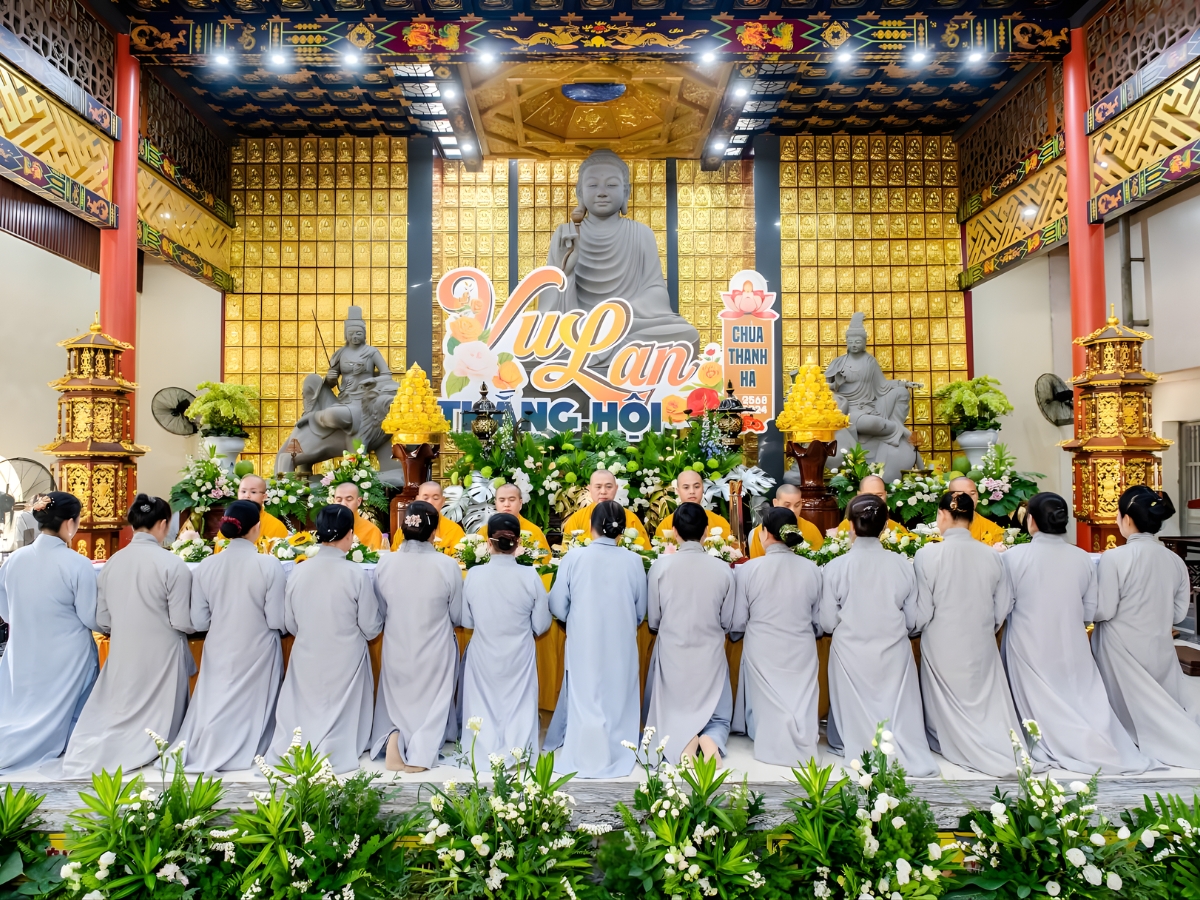
탄하사에서 열린 부처님 오신 날 기념 대법회. (출처: 수집)
또한, 탄하사(Chua Thanh Ha)는 청소년을 위한 특별 수행 프로그램인 여름 수행 기간 “부처님, 제가 돌아왔어요!”를 개최하는 장소이기도 합니다. 명상, 법문 듣기, 기술 활동, 자선 활동과 같은 활동을 통해 아이들은 사랑하는 법, 부모님께 감사하는 법을 배우고 선한 삶을 위한 인격을 함양합니다. 이는 청소년 세대가 심리적 균형을 잡고 현대 시대에 인격을 발전시키는 데 도움이 되는 대표적인 영적 도덕 교육 모델입니다.
이 외에도 사찰에서는 부처님 오신 날, 안녕 기원 법회, 위령 법회, 새해 경전 독송 수행, 빈곤층 선물 증정, 어려운 학생 지원, 사랑의 집 짓기 등 다양한 자선 활동을 정기적으로 개최합니다. 명절마다 사찰의 종소리가 도시의 심장부에서 울려 퍼지며 신성하고 자비로운 공간을 만듭니다. 이러한 문화적, 영적 가치를 유지함으로써 탄하사는 신앙 순례지가 될 뿐만 아니라 베트남인의 자비와 효도의 정신을 보존하고 전파하는 곳이기도 합니다.
탄하사(Chua Thanh Ha)에서 참배와 관람을 마친 후, 방문객들은 숭응엄디엔성사(Chua Sung Nghiem Dien Thanh), 도띠엔사(Chua Dot Tien), 므닷사(Chua Mat Da) 등 타인 지방의 다른 유명한 사찰들을 계속 탐험할 수 있습니다. 각 사찰은 고유한 아름다움을 지니고 있으며, 타인 지방의 오랜 신앙 전통과 역사와 연결되어 있습니다. 특히 타인 지방은 현재 신앙, 문화, 자연 경관을 조화롭게 결합한 대규모 영적 문화 건축물인 현적암선(Huyen Tich Am Tien) 프로젝트를 추진하고 있습니다. 이 건축물은 타인 지방의 최고의 영적 관광지가 될 것으로 기대되며, 미래 베트남 영적 관광 지도에서 타인 지방의 위상을 확고히 하는 데 기여할 것입니다.
탄하사(Chua Thanh Ha)에서 불교 문화의 뿌리를 찾아가는 여정은 단순히 참배하거나 불상을 숭배하는 것뿐만 아니라, 수 세기 동안 전해 내려온 깊은 정신적 가치를 느끼는 여정입니다. 현대 생활 속에서도 이 사찰은 고요함을 유지하며 사람들이 평화를 찾고, 선한 마음을 향하며, 민족 문화의 뿌리에 감사하는 곳입니다. 영성과 문화를 조화롭게 결합한 목적지를 찾고 있다면, 탄하사(Chua Thanh Ha)를 방문하여 고요한 공간을 느끼고, 울려 퍼지는 종소리를 들으며 마음의 평화를 되찾으십시오.