
















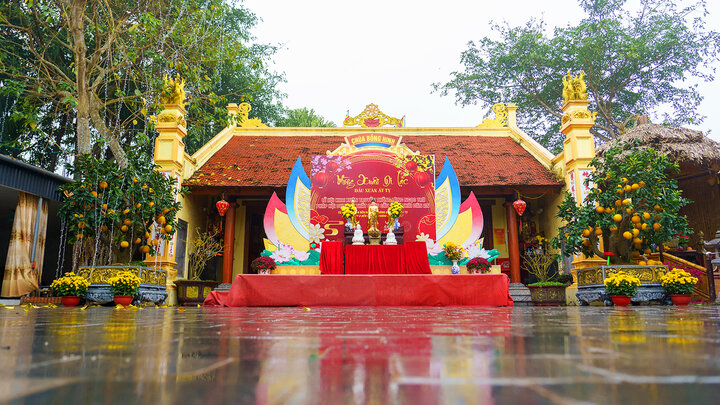
1. General Introduction to Bong Hinh Thanh Hoa Pagoda
1.1. Geographical Location and Overview
Bong Hinh Thanh Hoa Pagoda (also known as Ngoc Tra Pagoda or Bong Hinh Tu) is located in Ngoc Tra village, Quang Trung commune, Thanh Hoa province (now belonging to Quang Chinh commune). The pagoda nestles beside the Yen River, amidst a tranquil rural landscape with year-round lush green rice fields. About 5 km south of the center of Quang Xuong town, Bong Hinh Thanh Hoa Pagoda is easily accessible from many routes, making it an ideal stop for those seeking a serene spiritual destination. The natural scenery around the pagoda possesses the simple beauty of the Thanh Hoa delta region, evoking the profound peace of a century-old Buddhist sanctuary.
1.2. History of Formation and Cultural Value
The historical mark of Bong Hinh Thanh Hoa Pagoda originates from the Tran Dynasty, when the first pagoda was built in Chua Hamlet, Hoa Lu Commune (now Dung Hamlet, Quang Trung Commune). One of the famous legends associated with the pagoda is the stopover of Le Loi, when the national hero paid homage to Buddha here before advancing to fight the Chiem Thanh invaders and later returned to offer thanks after the victory. In 1853, during the reign of King Tu Duc, Bong Hinh Thanh Hoa Pagoda underwent a major renovation, its architecture becoming more solid and preserved through many generations.
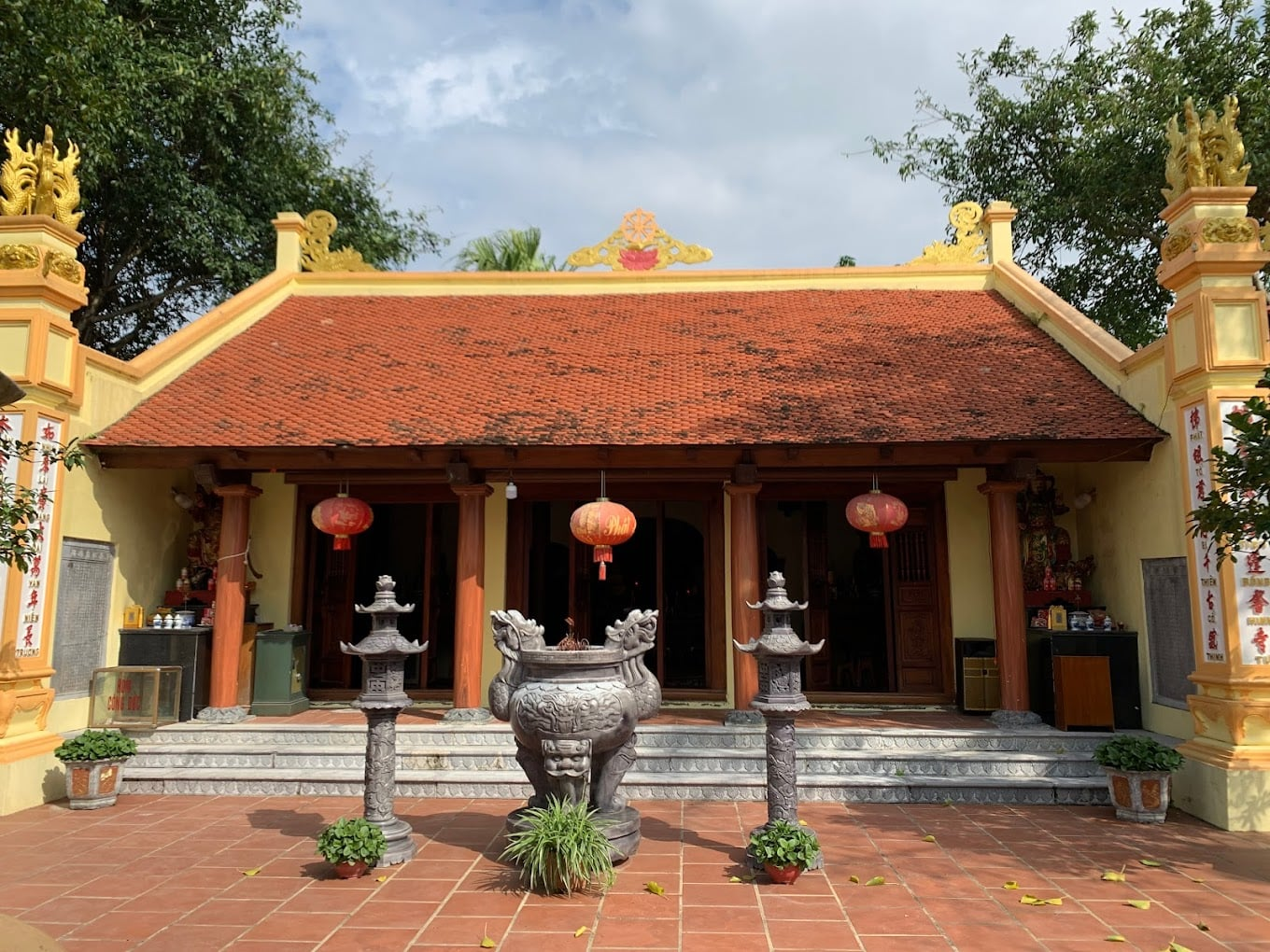
Bong Hinh Pagoda – a place to find tranquility and peace of mind. (Source: Collected)
During the resistance wars against the French colonialists and American imperialists, the pagoda served as a village meeting place, a kindergarten, a food storage, and a place to treat wounded soldiers. In 2004, the pagoda was ranked as a provincial-level historical and cultural relic, and in 2015, it was restored on its old foundation following traditional Buddhist architecture. The cultural value of Bong Hinh Thanh Hoa Pagoda lies not only in its architecture but also as a living testament to the patriotism and solidarity of the Thanh Hoa community.
1.3. Outstanding Highlights at Bong Hinh Thanh Hoa Pagoda
The 'Cong' character-shaped architecture of Bong Hinh Thanh Hoa Pagoda includes the three-gate entrance, the main hall, a 3-bay front hall of 60 m² with a sturdy ironwood frame, a bell tower, and sacred worship areas. The most notable highlight is two centuries-old stone steles, marking the history of the pagoda's construction and the changes through dynasties, including the 'Bong Linh ancient pagoda' stele, which holds high historical research value. Altars for Buddha, Dragon Gods, and those who contributed to the pagoda's construction are arranged solemnly, creating a profound spiritual space.
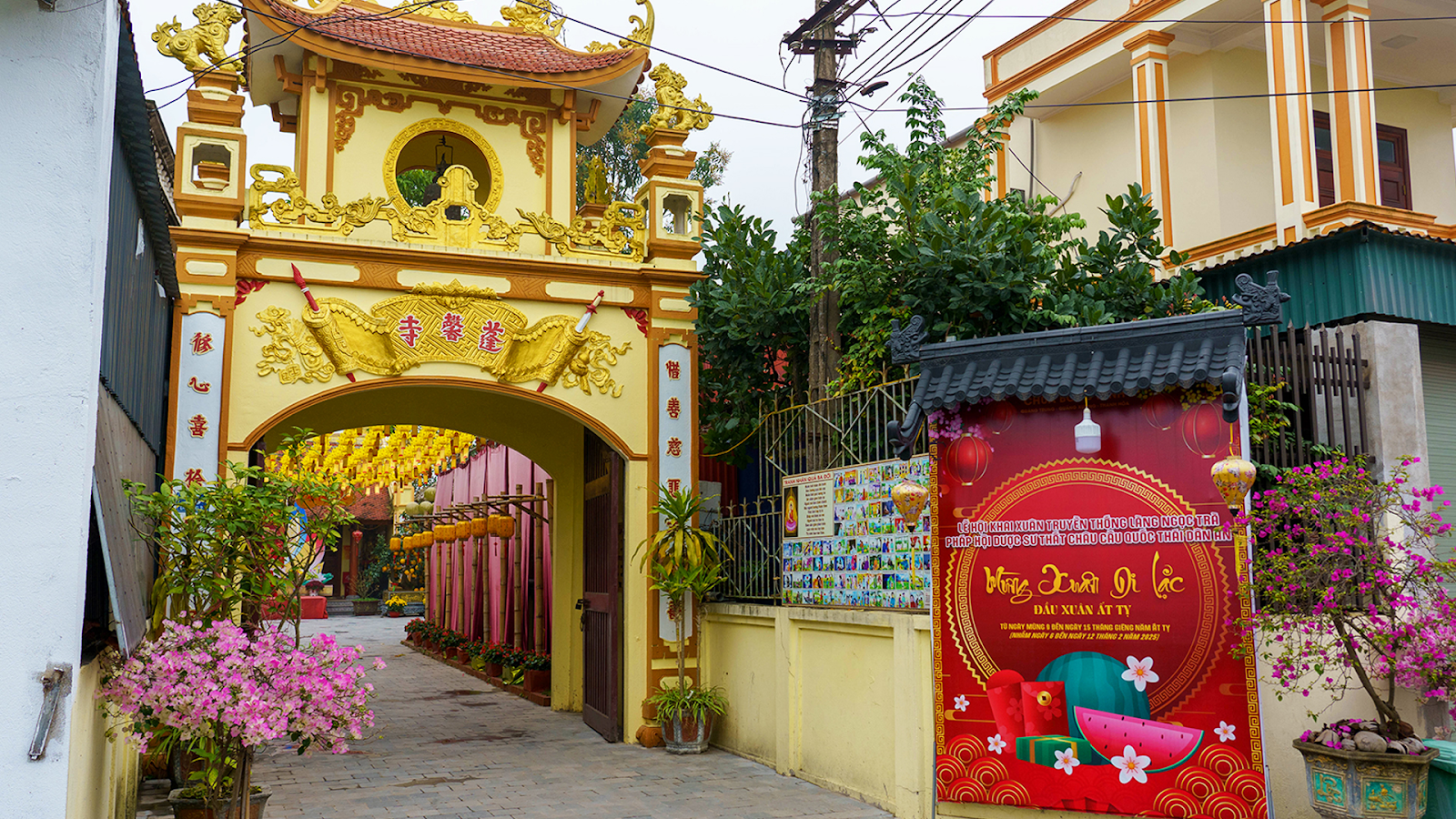
The beauty of traditional, rustic yet solemn architecture of Bong Hinh Pagoda. (Source: Collected)
The spacious area, tranquil pagoda yard, along with the scenery by the Yen River makes Bong Hinh Pagoda Thanh Hoa not only a place of worship but also an ideal destination for tourists to visit and learn about the cultural heritage of the Thanh region.
2. Directions to Bong Hinh Pagoda Thanh Hoa
2.1. From Thanh Hoa province to Bong Hinh Pagoda Thanh Hoa
Starting from the center of Thanh Hoa province, visitors travel south on National Highway 1A for about 40km towards the former Quang Xuong district. After reaching Quang Xuong town, turn onto the provincial road leading to Quang Trung commune, continue for about 5km following the signs to reach Ngoc Tra village, where Bong Hinh Pagoda Thanh Hoa is located. The total travel time by car or motorbike is about 50 minutes to 1 hour, depending on traffic density. Fuel costs range from 30,000 to 50,000 VND one way, quite economical for a group of friends or family. The road to the pagoda is quite convenient, with smooth asphalt, just pay attention to observing the signs when turning at junctions and intersections in the Quang Xuong area.
2.2. Moving from Hanoi and Ho Chi Minh City
If starting from Hanoi, you can choose to take a train or bus to Thanh Hoa station, then rent a motorbike or taxi towards Quang Xuong. Travel time by train is about 3 to 4 hours with ticket prices from 100,000 to 200,000 VND depending on the seat type, bus takes about 2.5 hours with ticket prices around 120,000 to 150,000 VND.
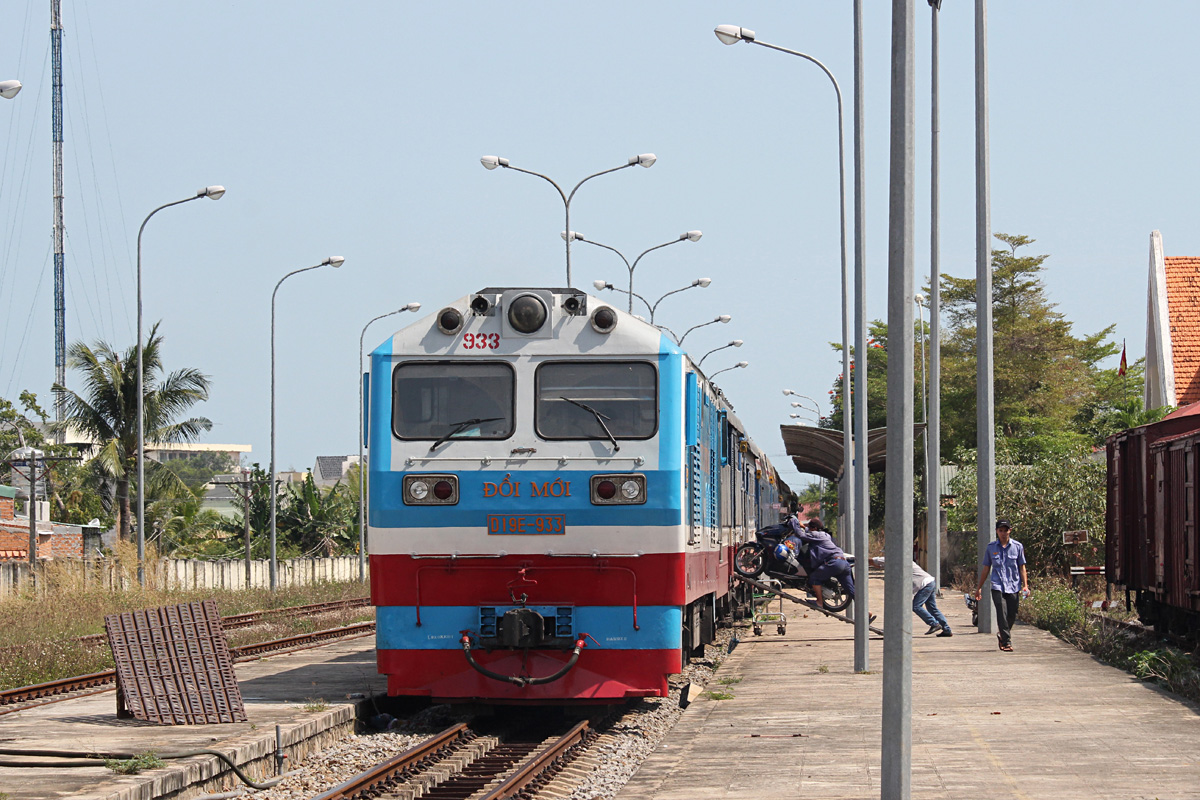
Traveling by train is a convenient option for tourists visiting here. (Source: Collected)
From Thanh Hoa station or bus station, hiring a ride-hailing motorbike or taxi to Bong Hinh Pagoda Thanh Hoa takes about 40 more minutes with a cost of about 150,000 to 200,000 VND. From Ho Chi Minh City, tourists should fly to Tho Xuan Airport (Thanh Hoa), then hire a car or taxi to Quang Xuong. The total flight time is about 1.5 hours and ground travel takes an additional 1 hour. Flight ticket prices range from 800,000 to 1,500,000 VND depending on the time.
2.3. Notes on parking, walking, and preparing your itinerary
The pagoda grounds are spacious, you can park for free or a small fee of about 5,000 to 10,000 VND depending on your willingness. From the parking area to the main hall of Bong Hinh Pagoda Thanh Hoa takes only a few minutes' walk on a flat stone yard, with no excessively high steps, convenient for all ages. If visiting during the rainy season, bring a raincoat and non-slip shoes as village paths can be wet. Prepare drinks and light snacks if you plan to visit nearby attractions, as the area around the pagoda is rural with not many convenience stores. Bring small cash for easy purchase of incense, candles, or to make donations if you wish to respectfully worship Buddha.
3. Discover the architecture and landscape of Bong Hinh Pagoda Thanh Hoa
3.1. Tam Quan and Main Hall – Sacred Highlights
The 'Cong' character-shaped architecture of Bong Hinh Pagoda Thanh Hoa includes a Tam Quan standing at the front, the main hall in the middle, and bell towers on both sides, creating a harmonious and solemn overall structure. The 3-bay front house faces South, with a lim wood frame in the traditional gia chieng style, intricately carved with patterns, showcasing the skillful craftsmanship of ancient Thanh Hoa artisans.
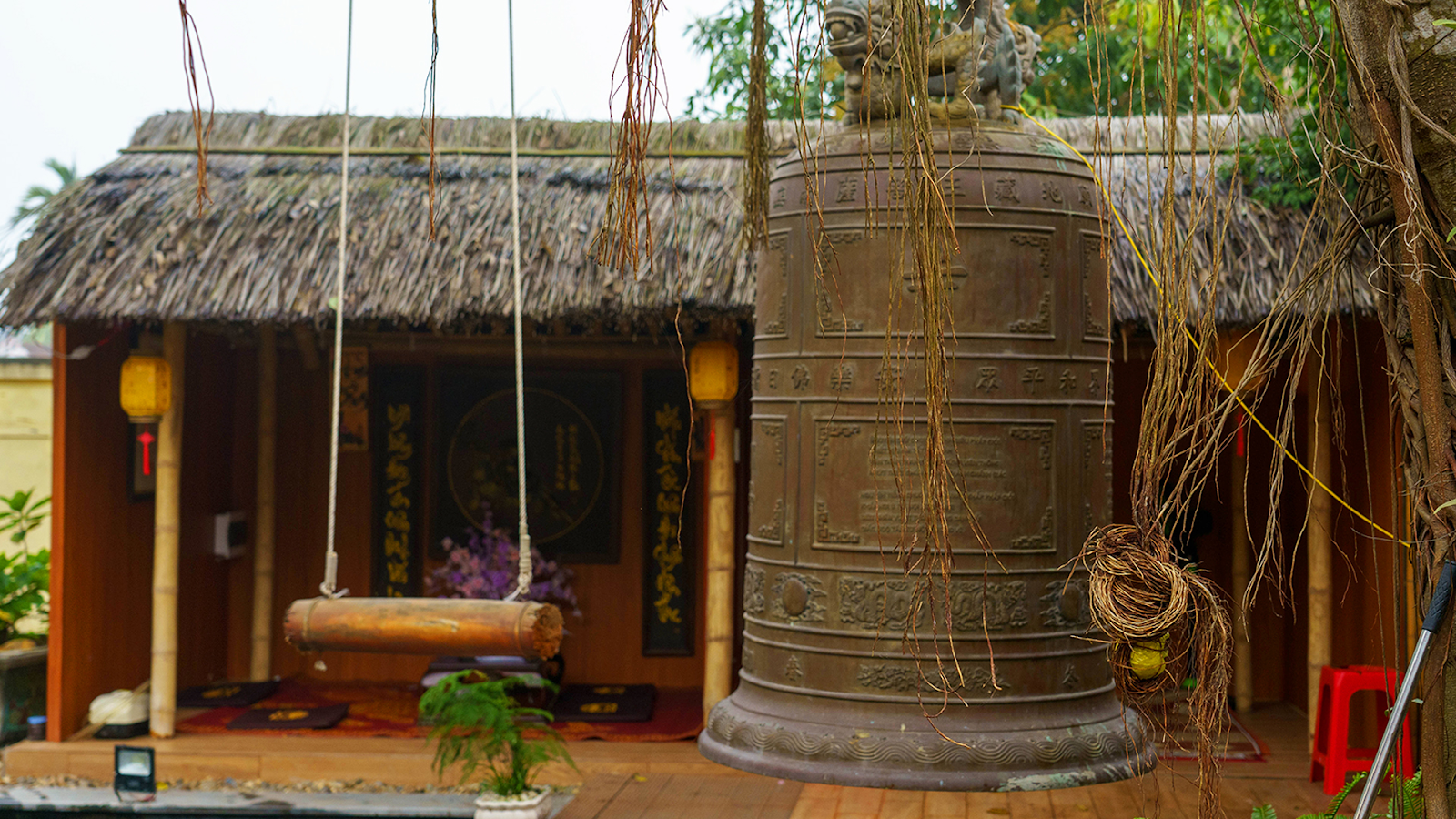
The bell tower of Bong Hinh Pagoda – where the sound of the bell echoes in the tranquil space. (Source: Collected)
Entering the main hall, visitors will feel the sacred atmosphere, the incense smoke dimly shrouds the Buddha altar, where ancient Buddha statues are placed in solemn postures. The rear sanctuary worships those who contributed to building the pagoda and the high monks, creating a deep spiritual source. The ancient brick walls, yin-yang tiled roofs mixed with moss tell the hundreds-of-years-old story of Bong Hinh Thanh Hoa Pagoda, making people's hearts flutter with memories of a bygone era.
3.2. Ancestral House, Tomb Towers, Ancient Bodhi Tree
The ancestral house of Bong Hinh Thanh Hoa Pagoda preserves the memorial tablets and altars for high monks and those who contributed to the pagoda's restoration through various periods. Notably, two ancient stone steles "Bong Linh ancient pagoda" are placed within the pagoda's grounds, detailing the history of the pagoda's construction, the names of benefactors, and important events, serving as valuable resources for Thanh Hoa cultural researchers.
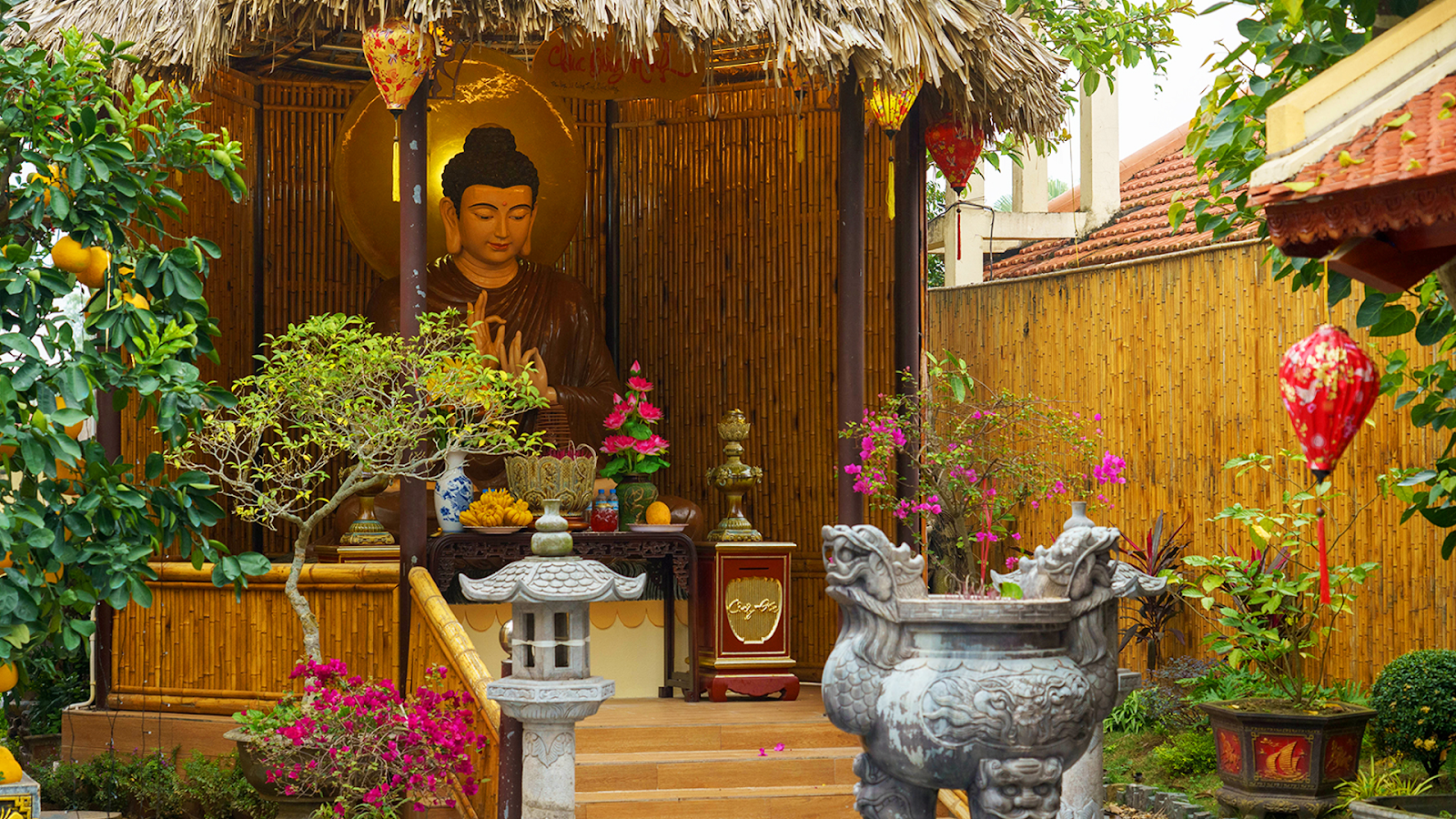
Buddha altar at Bong Hinh Pagoda – a sacred, serene space. (Source: Collected)
Although current resources do not mention a tomb tower or an ancient bodhi tree, the cool green space around the pagoda with rows of bamboo and shady banyan trees still creates a unique charm, inviting visitors to stroll, admire, and find peace.
3.3. Mountainous landscape, sunset check-in, nature experience
Bong Hinh Pagoda Thanh Hoa is located on high ground, beside the gently winding Yen River, creating an inspiringly peaceful natural scene. During sunset, gentle sunlight covers the ancient pagoda roof and mossy stone courtyard, creating a romantic picture that many young people enjoy for souvenir photos.
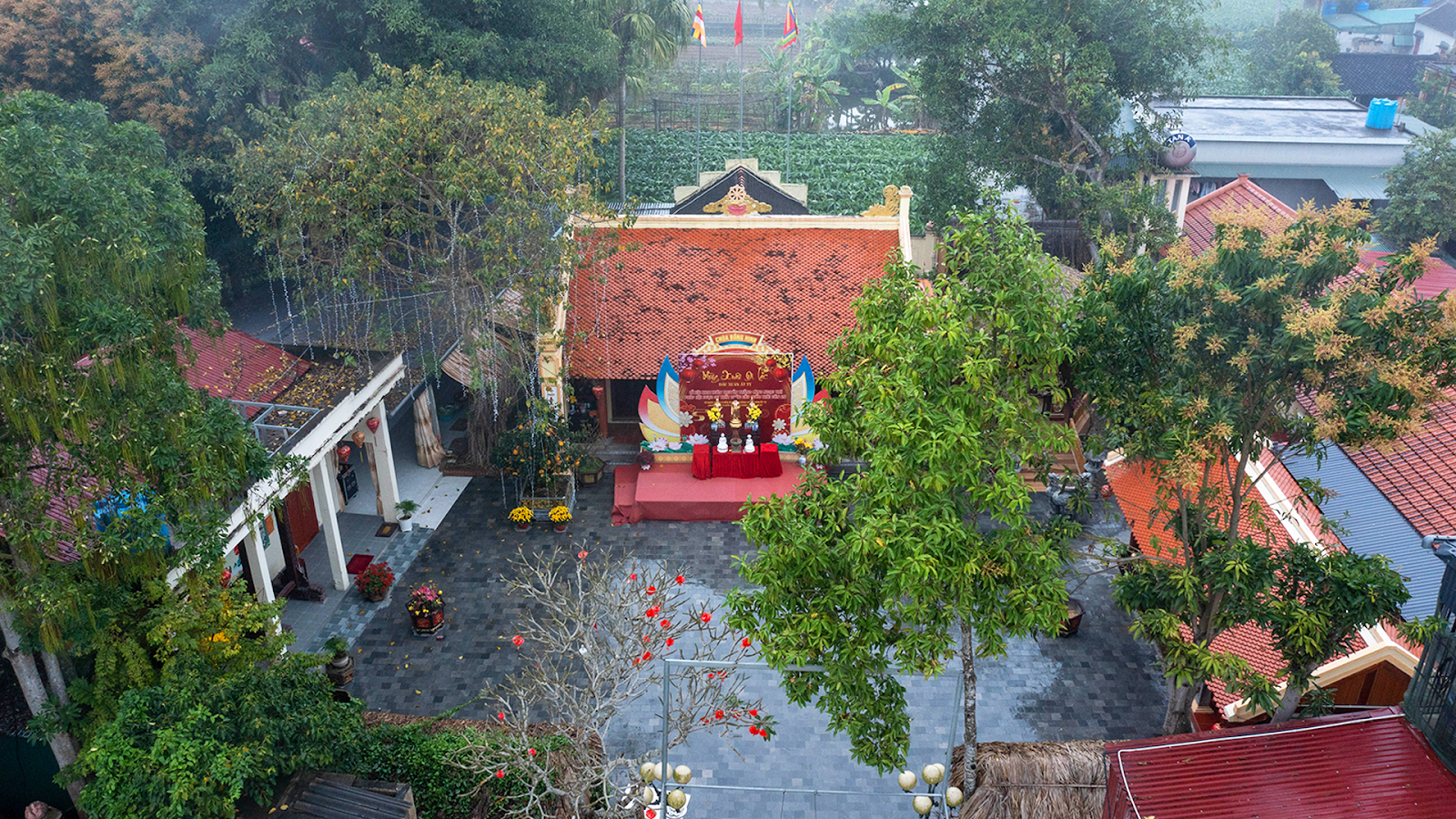
A panoramic view of Bong Hinh Pagoda from above – a peaceful aspect amidst the Thanh countryside. (Source: Collected)
This quiet space is also an ideal place for meditation, contemplation, feeling the rhythm of life slow down, far from the city's hustle and bustle. Although there is no specific information about trending check-in spots on social media, but the simple, authentic beauty of Bong Hinh Pagoda Thanh Hoa will surely bring you memorable moments.
4. Experience activities and festivals at Bong Hinh Pagoda Thanh Hoa
4.1. Spring festival of Bong Hinh Pagoda Thanh Hoa (10th-12th day of the first lunar month)
The traditional festival of Ngoc Tra village and Bong Hinh Pagoda Thanh Hoa takes place annually from the 8th to the 9th day of the first lunar month, attracting people from all over the region and many distant visitors. The ceremony begins with a solemn opening ritual, a palanquin procession from the cultural house of Dung village around the village, carrying the colors of traditional costumes and the vibrant sound of drums and gongs. The Buddha's palanquin is carried to the pagoda in a solemn atmosphere, followed by incense offering and Buddhist rites praying for national peace, popular contentment, and blessings for everyone.
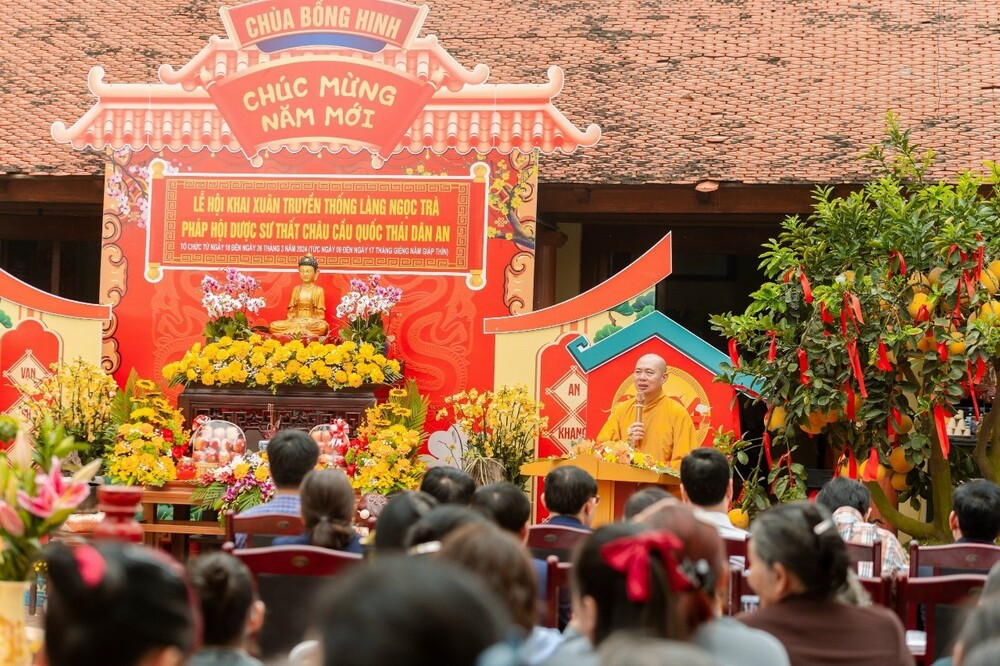
Traditional festival of Ngoc Tra village – a cultural beauty preserved through generations. (Source: Collected)
The festival part took place vibrantly with folk art activities and traditional games such as swing, tug-of-war, lion dance, and Chau Van singing, creating a joyful festival atmosphere and fostering community cohesion. Visiting Bong Hinh Pagoda Thanh Hoa on this occasion, you will experience the rich cultural beauty of the Thanh Hoa countryside.
4.2. Traditional Beauty – Rituals and Spiritual Values
Besides the spring festival, Bong Hinh Pagoda Thanh Hoa also organizes traditional Buddhist ceremonies such as the Medicine Buddha ceremony on the 15th of the first lunar month, the Vu Lan ceremony on the 15th of the seventh lunar month, and prayer ceremonies on the 1st and 15th of each lunar month. These rituals not only meet the spiritual needs of Buddhists but also serve as an occasion for the village community to gather, honor ancestors, and fallen heroes.
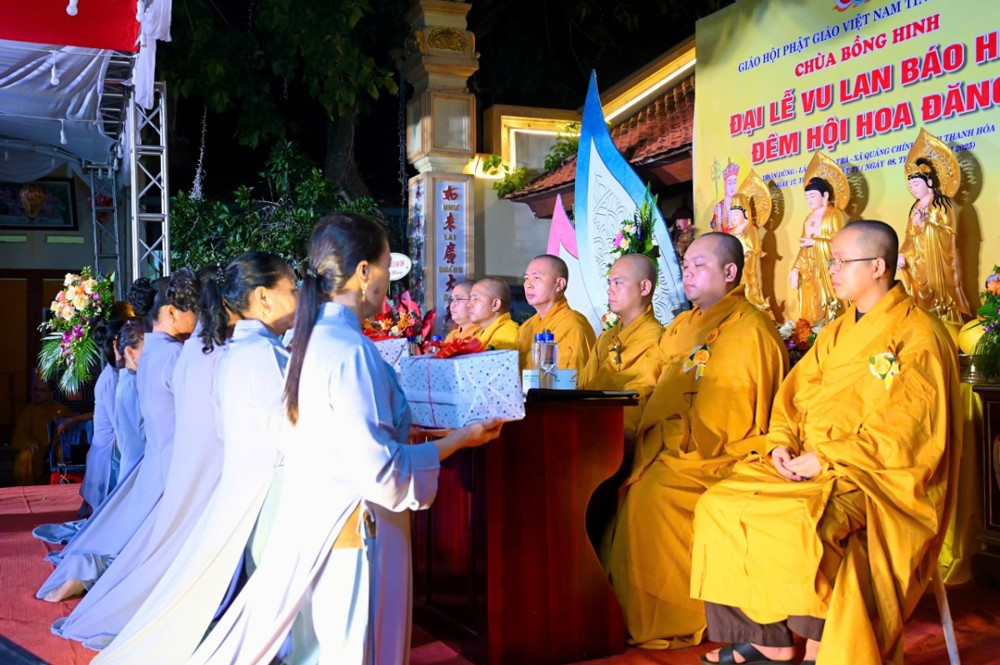
Chua Bong Hinh solemnly organizes the Grand Vu Lan filial piety ceremony. (Source: Collected)
The profound meaning of the rituals lies in preserving national cultural identity, igniting the younger generation's love for the homeland and country. Each time offering incense and flowers at Chua Bong Hinh Thanh Hoa, visitors will feel peace in their souls and the connection between the past and the present.
4.3. Spiritual tourism tour combining Chua Bong Hinh and nearby relics
Although there is no official information about combined tours yet, you can design your own itinerary to visit Chua Bong Hinh Thanh Hoa along with nearby relics such as Lam Kinh (about 30 km away), where the traces of King Le Loi and the Le dynasty kings are preserved, or the famous Chua Co Lung Pagoda in Quang Xuong.
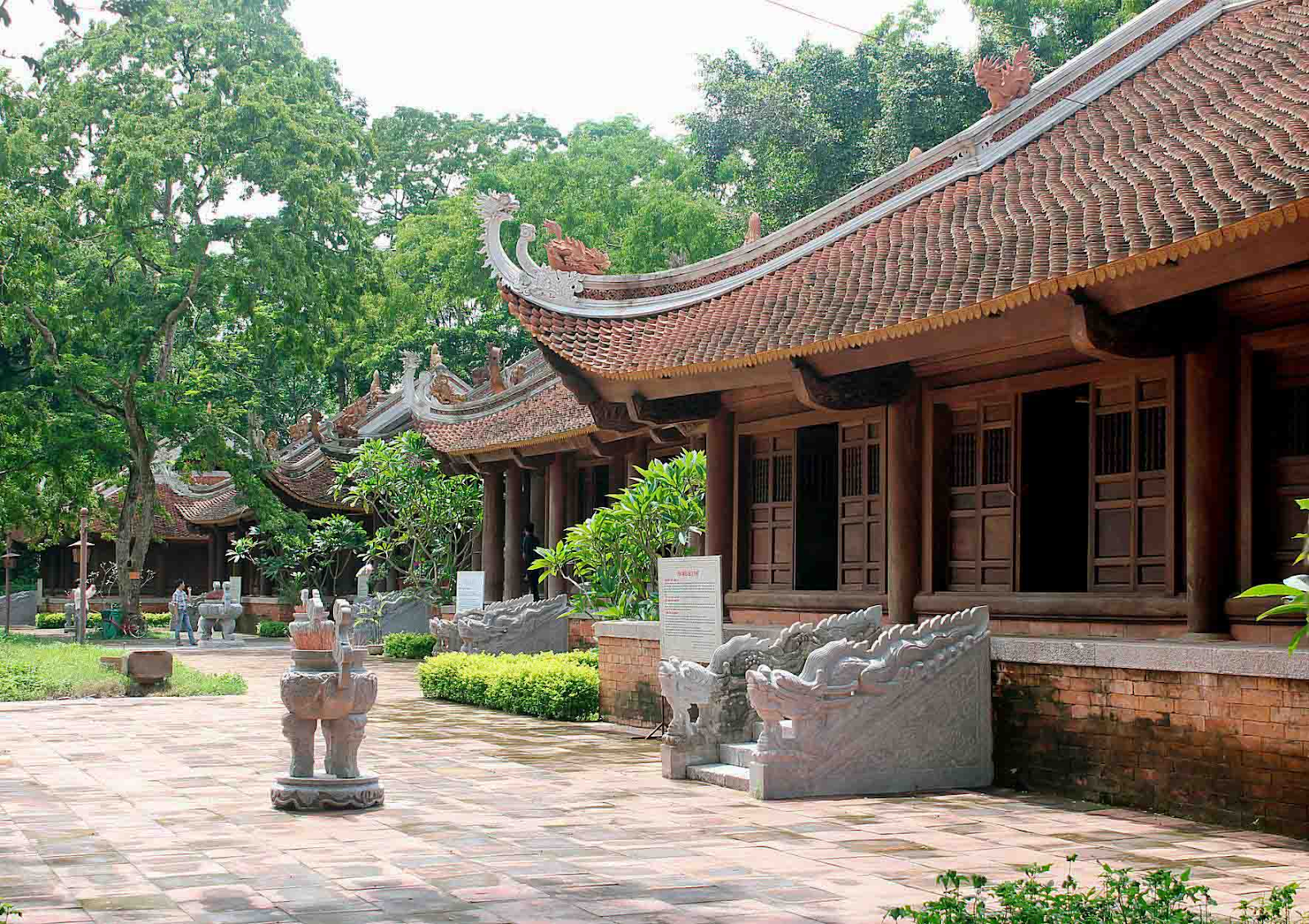
Lam Kinh historical site - a place that preserves golden historical imprints. (Source: Collected)
A one-day itinerary can start from Lam Kinh in the morning, visit Bong Hinh Thanh Hoa Pagoda at noon to worship Buddha and find peace, then end at Hai Tien or Sam Son beach in the afternoon. This flexible sightseeing method helps visitors explore deep historical and spiritual values while enjoying the natural beauty of Thanh Hoa.
5. Cuisine and services around Bong Hinh Thanh Hoa Pagoda
5.1. Specialties of Vinh Loc region to try
The area around Bong Hinh Thanh Hoa Pagoda carries the strong flavor of Thanh Hoa countryside cuisine. Although not located in Vinh Loc as initially described, the Quang Xuong region also boasts many attractive delicacies. Visiting rustic eateries along the road or in Quang Chinh commune, you can enjoy the rich, sour, and spicy Thanh Hoa fermented pork rolls (nem chua), rice cakes with shrimp dipped in sweet and sour fish sauce, or fragrant and rich sticky rice cooked in bamboo tubes (com lam), and sweet rice cakes (che lam) if in season.
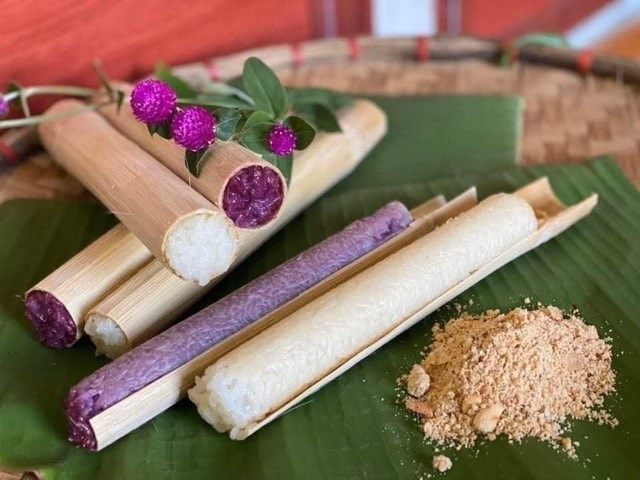
Fragrant and chewy sticky rice cooked in bamboo – a rustic flavor of the mountains and forests. (Source: Collected)
Small eateries in Ngoc Tra village often sell offal porridge and piping hot beef noodle soup, with affordable prices ranging from 20,000 to 30,000 VND per serving, suitable for tourists who want to recharge before or after visiting the pagoda. Although there are not many luxurious restaurants, the simplicity and closeness of the region's cuisine will leave an unforgettable impression.
5.2. Accommodation services, suggestions for suitable guesthouses and hotels
Bong Hinh Thanh Hoa Pagoda is located in a rural area, so on-site accommodation services are limited. If you want to stay overnight, you should look for hotels and guesthouses in Quang Chinh commune, about 5km from the pagoda, with prices ranging from 150,000 to 300,000 VND per night for a standard room. Other options include homestays and inns near National Highway 1A, convenient for transportation and equipped with basic amenities.
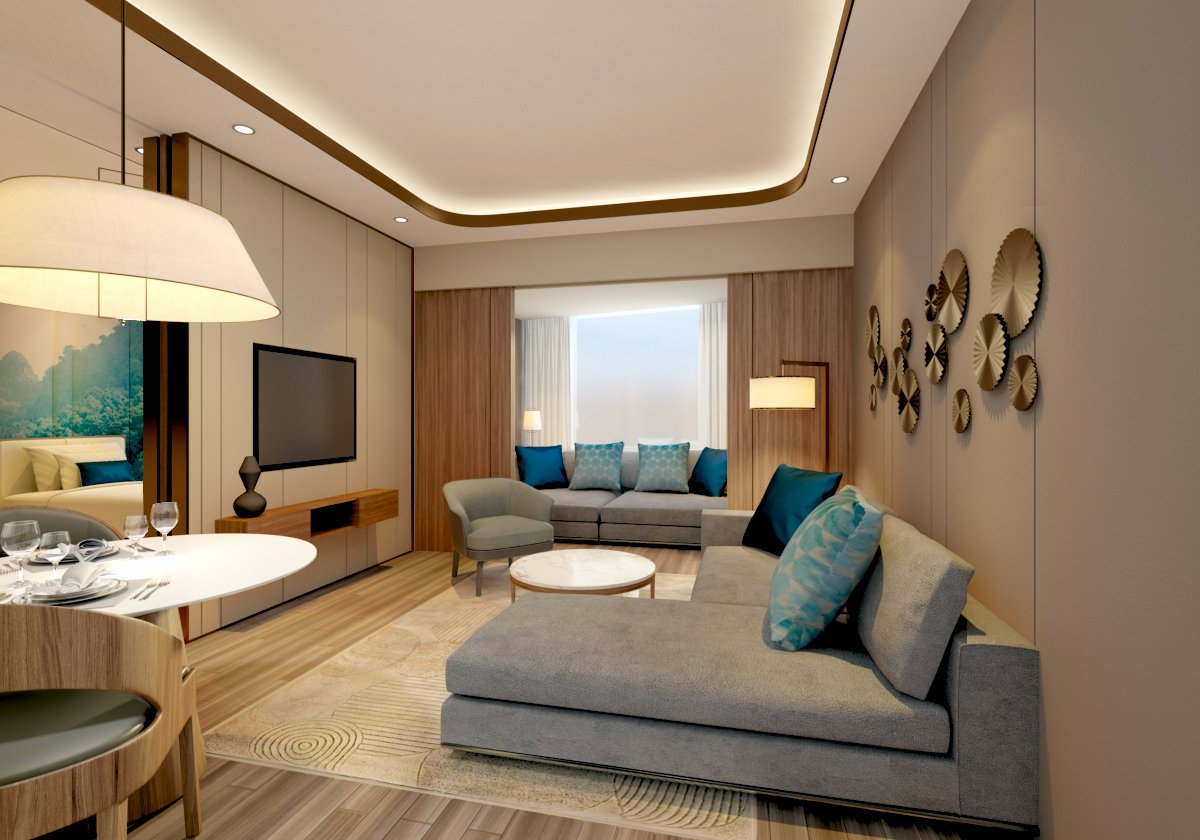
FLC Grand Hotel Sam Son – a luxurious resort space by the sea. (Source: Collected)
If you want a fuller experience, you can choose a hotel in the center of Thanh Hoa province or the Sam Son tourist area, about 40 to 50km from Bong Hinh Thanh Hoa Pagoda, with room prices ranging from 200,000 to 800,000 VND depending on the standard. It is advisable to book in advance if traveling during the spring festival or on weekends.
6. Experience and tips for visiting Bong Hinh Thanh Hoa Pagoda
6.1. Attire and customs when visiting pagodas
When visiting Bong Hinh Thanh Hoa Pagoda, you should choose polite and elegant attire, avoiding short, revealing clothing or overly bright colors. Ao dai, shirts with long pants or skirts below the knee are suitable choices, showing respect for the spiritual space.
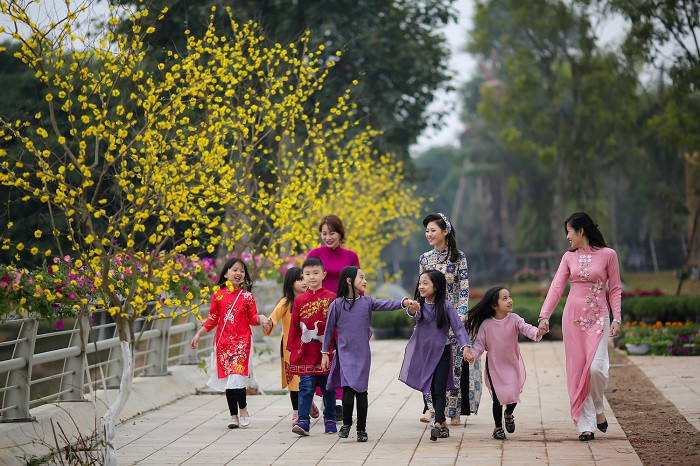
Appropriate attire makes the trip more complete and comfortable. (Source: Collected)
When entering the main hall, you need to remove your hat, remain silent or speak softly, and not run or make noise. If you wish to light incense to worship Phat, wash your hands thoroughly, focus your mind with reverence, and bow before the altar. These simple customs not only show respect for Phat phap but also help you easily blend into the sacred atmosphere here.
6.2. Photography notes, "hot trend" check-in spots
Although Bong Hinh Thanh Hoa Pagoda is not yet a famous check-in spot on social media, its peaceful scenery and ancient architecture are still a source of inspiration for beautiful photos. You can take pictures at the tam quan, the flat stone-paved temple yard, or the sunset scenery by the Yen River. Note not to take photos during solemn ceremonies, do not use flash that causes glare or disturbs practicing Phat tu. When taking pictures with Phat statues, stand at a respectful angle, avoid posing too offensively or sitting on statues or altars. Photos taken at Bong Hinh Thanh Hoa Pagoda will bring a sense of peace and gentleness, suitable for preserving memories of this spiritual journey.
6.3. Small tips for a complete trip
The ideal time to visit Bong Hinh Thanh Hoa Pagoda is early morning or late afternoon, when the sunlight is gentle and the air is cool, making it easy to walk around and fully appreciate the tranquil beauty. If you wish to participate in festivals, it is recommended to visit on the 8th or 9th day of the first lunar month, but be prepared as the pagoda will be more crowded then. On weekdays, Bong Hinh Thanh Hoa Pagoda is quite empty, allowing you to spend time meditating and sightseeing comfortably without being jostled. Bring drinking water, sunscreen, a cool towel, and some small change for convenience in buying incense or making donations. Combining a visit to the pagoda with nearby attractions such as Lam Kinh or Hai Tien beach will make the trip richer and more memorable.
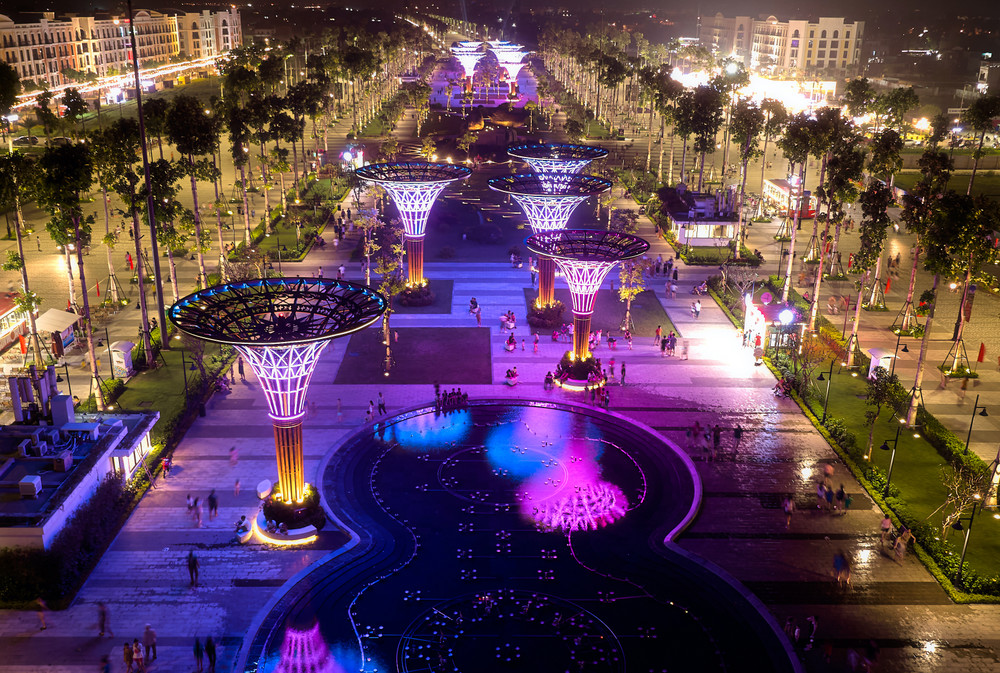
Visit Sam Son Sea Square to make your trip more complete. (Source: Collected)
Before concluding a meaningful spiritual journey, visitors can spend time visiting Sam Son Sea Square – a community space and a prominent check-in point for Thanh Hoa tourism. From the quiet sacred temple, stepping out to the vast sea with salty winds and crashing waves brings a completely different vibe, both vibrant and relaxing. Sam Son Sea Square is not only a place for sightseeing, strolling, and taking photos, but also an intersection between modern life and natural beauty, helping the trip become complete before ending with unforgettable echoes of Thanh land.
Bong Hinh Pagoda Thanh Hoa is a spiritual destination not to be missed when visiting Thanh land, preserving a heroic history, traditional culture, and a serene space amidst simple nature. Plan now to immerse yourself in the spring festival, enjoy local specialties, and experience sacred moments by the poetic Yen River!