
















1. About Nhồi Village: Thanh Hoa's famous stone craft village
Nhồi Village is one of the long-standing traditional craft villages of Thanh Hoa, located in the area of Hac Thanh and Dong Son wards.
This area is located right at the foot of Nhồi Mountain – a majestic limestone mountain considered a symbol of the An Hoach region.
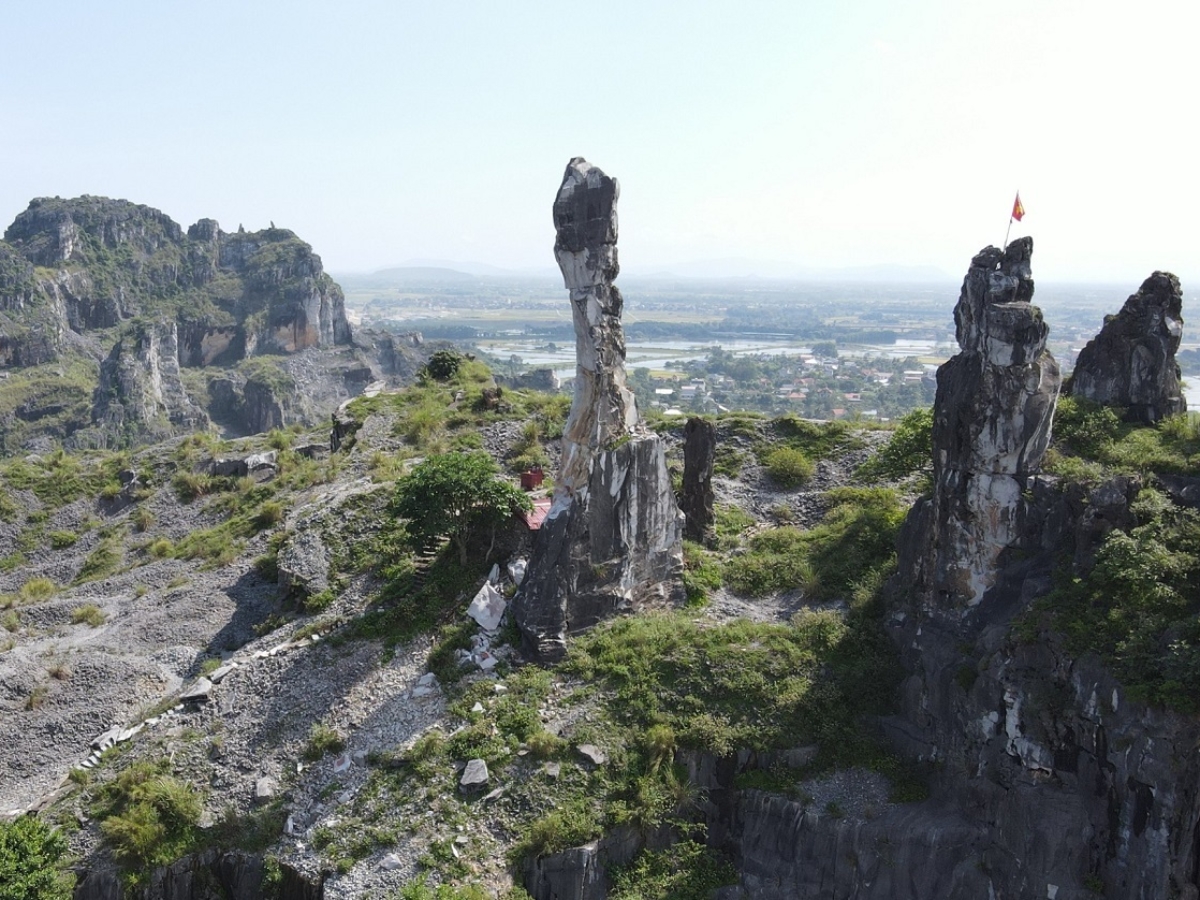
Lang Nhoi is a stone carving village located at the foot of Nui Nhoi. (Source: Collected)
For generations, Lang Nhoi has been famous for its exquisite stone carving techniques, timeless durability, and carving style deeply imbued with folk cultural imprints. Products from the village such as Buddha statues, stone steles, sacred animals, and bas-reliefs appear in many communal houses and pagodas, tombs across the country, showcasing the skillful hands, creativity, and artistic soul of Thanh Hoa stone carvers. Thanks to this, Lang Nhoi is not only a source of pride for the local people but also a unique cultural symbol of the Thanh Hoa region.
2. Formation and development journey of Lang Nhoi stone craft
The stone carving craft in Lang Nhoi is considered one of the oldest traditional crafts of the Thanh Hoa region, originating from the Ly Dynasty. According to historical records, Ly Thuong Kiet was the first to bring the stone carving craft to teach the local people when he was assigned by the court to garrison the Ai Chau region (Thanh Hoa). Thanks to his guidance and encouragement, residents at the foot of Nui Nhoi learned to exploit the durable, smooth, and easily shaped natural green stone to create Buddha statues, stone steles, sacred animals, worship items, and Buddhist architectural works.
From those first lessons, the stone carving craft quickly became an indispensable part of the local people's lives. Through the Tran, Le, and Nguyen dynasties, the stone carving techniques of Lang Nhoi became increasingly refined, creating works that possess both artistic value and reflect the Vietnamese soul. Lang Nhoi artisans were invited to build and restore major projects across the country such as Ho Citadel, Lam Kinh, But Thap Pagoda, Doc Cuoc Temple, contributing to the glory of the Thanh Hoa stone craft.
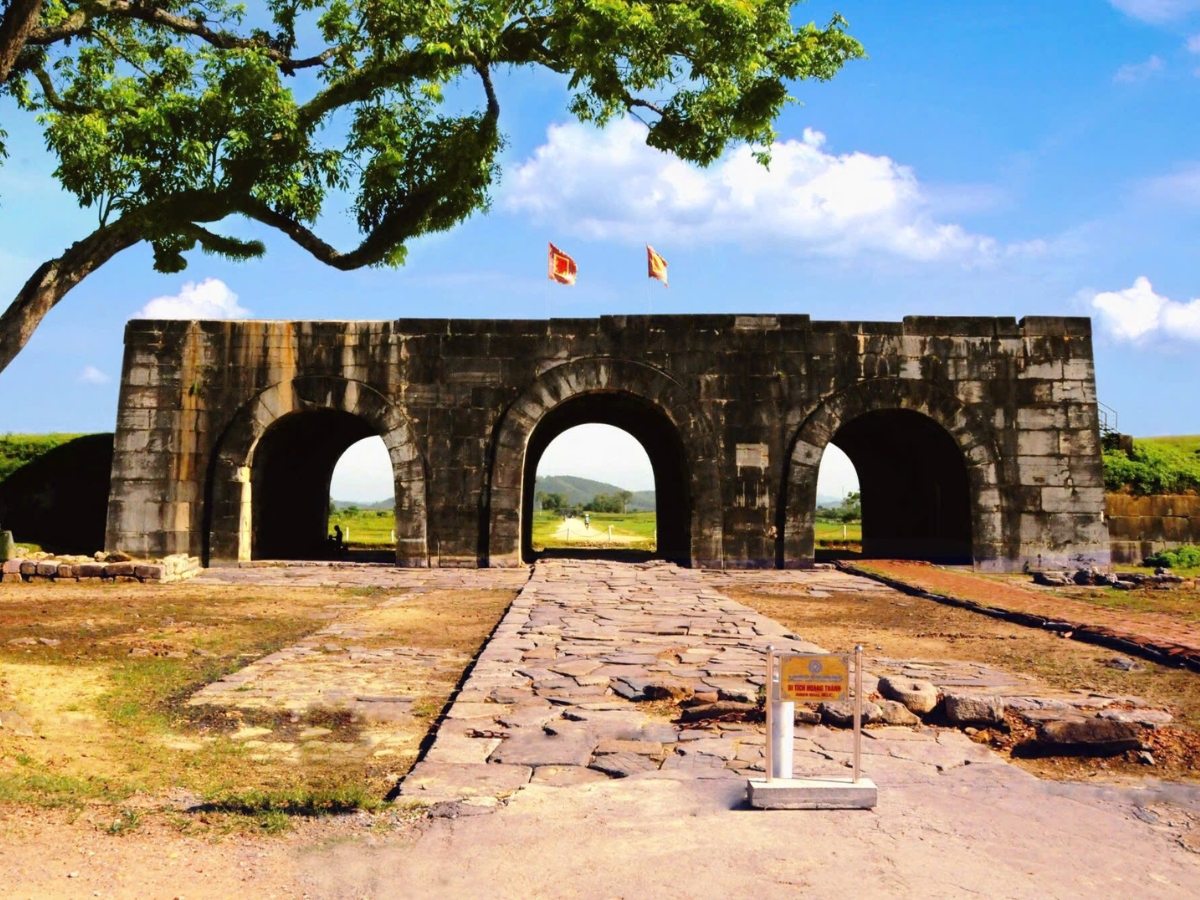
The Ho Dynasty Citadel is a work crafted by the skilled artisans of Nhồi village. (Source: thanhnhaho.vn)
Today, although modern technology has somewhat changed production methods, the tradition of handicraft villages and the dedication of the stone workers of Nhồi village remain strong. The stone craft is not just a livelihood but also a precious heritage, demonstrating the courage, resilience, and pride of the people of Thanh Hoa. Each stone slab, each carved line carries the breath of history, a vivid testament to the thousand-year journey of preservation and development of a craft village that has become a cultural symbol of Thanh Hoa.
3. Admire the masterpieces bearing the distinct mark of Thanh Hoa from Nhồi village
3.1. Prominent traditional product lines
Over hundreds of years of development, Nhồi village has affirmed its position as one of the leading centers for artistic stone carving in Vietnam. The village's stone products are not only famous for their durability and sophistication but also contain the soul and identity of the Thanh Hoa people. The most prominent among them are traditional worship items such as Buddha statues, lotus pedestals, incense altars, pedestals, stone steles, etc. Each product is meticulously crafted, expressing the artisans' reverence for Buddhism and their sacred faith in the spiritual world.
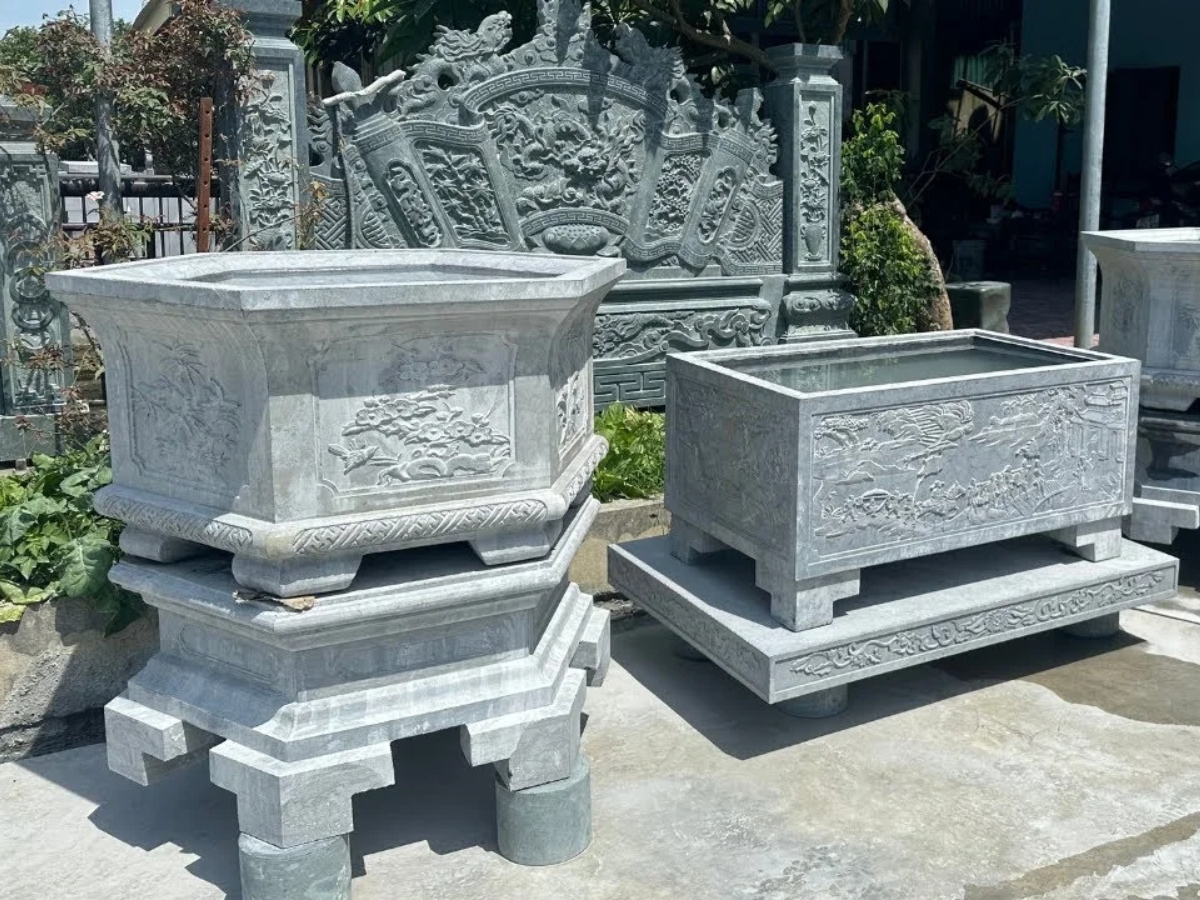
Artistic stone works crafted by artisans of Nhoi village. (Source: Collected)
Besides that, the artisans of Nhoi village are also known for their stone carving techniques for construction of communal houses, pagodas, temples, and mausoleums across the country. Details such as stone pillars, balustrades, steps, mythical creature statues, or decorative reliefs are all intricately carved, embodying the rich style of Vietnamese folk art. Not only limited to traditional works, in modern times, Nhoi artisans have adapted to new societal demands, creating decorative interior and exterior art products with a modern style yet retaining their ancient soul. Thanks to this, the Nhoi stone craft has preserved traditional values while expanding creative space in contemporary life.
3.2. Secrets of Stone Selection and Exquisite Carving Techniques
The factor that makes the timeless reputation of Nhoi village is the quality and characteristic color of Nhoi blue stone. The stone has a fine, solid texture, few impurities, and very high durability, when polished, it reveals a gentle jade-like blue hue, creating a sense of elegance and sophistication. During carving, every chisel stroke, every touch is executed with skill and deep artistic emotion. Artisans not only use the strength of their hands but also pour their souls into each stone slab, making the stone come alive as if imbued with human breath.
As a result, Nhoi stone works are not rigid like inanimate objects but exude softness, fluidity, and a distinct spirit. It is the fusion of exquisite craftsmanship, rare stone materials, and the artist's soul that has helped the products of Nhoi village become artistic masterpieces deeply imprinted with the cultural identity of Thanh Hoa, enduring through time.
3.3. Typical Stone Art Works
The mark of Nhoi village is present throughout Vietnam, in famous cultural and religious structures. These include the tombstone of Phan Dinh Phung, the stele of Le Loi at Lam Kinh, stone elements within Ho Citadel, But Thap Pagoda (Bac Ninh), Doc Cuoc Temple (Sam Son), or many ancient communal houses and pagodas in Thanh Hoa, Nghe An, and Ninh Binh. Each structure preserves the mark of the talented hands of Nhoi craftsmen, who have transformed inanimate stone blocks into vibrant works of art. Through generations, Nhoi village artisans continue to innovate, integrating the traditional stone craft with the pulse of the modern era, contributing to the enduring beauty of Thanh Hoa culture.
4. Enduring Cultural Values and Heritage in the Rhythm of Modern Life of Nhoi Village
4.1. Nhoi Village Preserves the Essence of Craft Heritage
With hundreds of years of history, Nhoi village is not only the cradle of Thanh Hoa's stone carving art but also a symbol of Vietnamese craft essence. As part of the country's typical traditional craft villages, Nhoi village asserts its special position on Vietnam's cultural map thanks to the harmonious combination of exquisite craftsmanship and folk artistic inspiration.
Generations of artisans here continuously innovate and improve designs, integrating the traditional stone craft with modern needs and aesthetics. From inanimate stone slabs, they breathe national spirit into them, creating products with high cultural, spiritual, and artistic value.
4.2. Nhoi Village on the Heritage and Tourism Journey of Thanh Hoa
Situated in the traditional land of Thanh Hoa, Nhoi village is considered a unique destination on the journey to discover Vietnam's heritage. Not only is it the cradle of the renowned stone carving craft, the village also embodies the essence of labor, creativity, and the artistic soul of the people of Thanh Hoa. With its convenient location, visitors to Nhoi village can easily connect with many other cultural heritages and famous tourist attractions, creating an attractive exploration journey.
Starting the trip at Nhoi village, visitors will admire the stone carving workshops located at the foot of the mountain, where the sounds of chisels and hammers echo in the peaceful atmosphere. Visitors can witness firsthand the meticulous process of stone selection, carving, and engraving by the artisans, feeling the talent and dedication in each piece.
From Nhoi village, visitors can continue their journey to explore the typical heritage sites of Thanh Hoa. To the west is the Lam Kinh historical site, the resting place of King Le Thai To, surrounded by ancient forests and stone structures bearing the sculptural imprint of Nhoi village artisans. Nearby is Ho Citadel – a UNESCO World Heritage Site, a testament to masterful construction techniques with giant blue stone blocks fitted tightly together without mortar.
After exploring the cultural heritage and spiritual destinations of Thanh Hoa, visitors can continue their journey to Sam Son beach, one of the most famous and vibrant beaches in Central Vietnam. Here, natural beauty harmonizes with fine sandy beaches, gentle waves, and fresh air, making it ideal for swimming, strolling, or relaxing after a long day of exploration. As sunset descends, Sam Son beach square becomes brilliant with lights and music, creating a shimmering, romantic scene.

Visitors can visit Sam Son beach to stroll, swim, and play. (Source: Collected)
Notably, in the near future, Thanh Hoa will welcome the Huyen Tich Am Tien spiritual tourism project – a large-scale project promising to become a new highlight on Vietnam's spiritual cultural tourism map. Once the project is completed, a tourist route connecting Nhoi village, Lam Kinh, Thanh Nha Ho, Sam Son, and Huyen Tich Am Tien will be formed, opening up opportunities for visitors to learn about traditional stone carving while experiencing the unique heritage and spiritual space of the Thanh Hoa region.
It can be said that Nhoi village is not only a destination for those who love sculpture but also a "heritage bridge," contributing to enriching the tourism identity of Thanh Hoa. From the talented hands of the craftspeople to the great works throughout the region, the imprint of Nhoi still shines silently, becoming a testament to the enduring vitality and unceasing creative spirit of the people of Thanh Hoa.
Nhoi village is not only a destination for those who love sculpture but also a place that preserves the soul of Vietnam's fine stone carving craft. Through many historical ups and downs, every stone here is still breathed life into by the hands of the artisans, becoming works of deep cultural, spiritual, and aesthetic value. Visiting Nhoi village, visitors can not only admire the beauty of the traditional craft but also feel the persistent, creative spirit and the pride of the people of Thanh Hoa. Visit Nhoi village once to listen to the echoes of stone chiseling in the quiet space, to witness the enduring vitality of the heritage, and to better feel the exquisite beauty of Vietnam's fine stone carving craft.