
















1. Overview of the Ham Rong relic site
1.1. Location, geography of the Ham Rong relic site
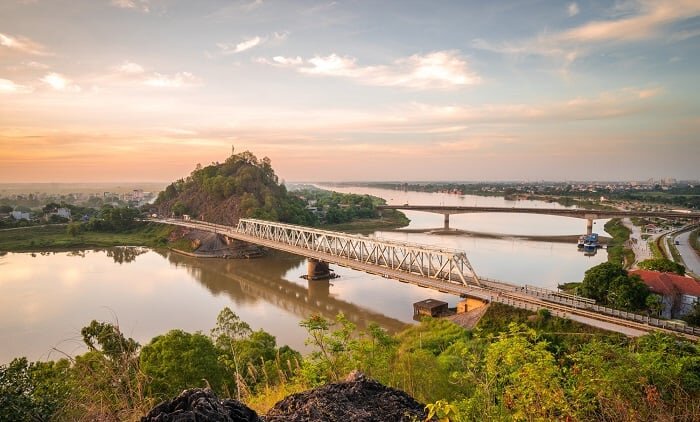
The Ham Rong relic site is located in Ham Rong ward, Thanh Hoa province, about 3 km north of the provincial center on the National Highway 1A axis. Along the extended Ma River bank, this location was a strategic transportation gateway connecting North and South through many historical periods. With a total area of up to 560 hectares, the relic complex encompasses winding mountains, mysterious caves, and unique spiritual cultural architectural works.
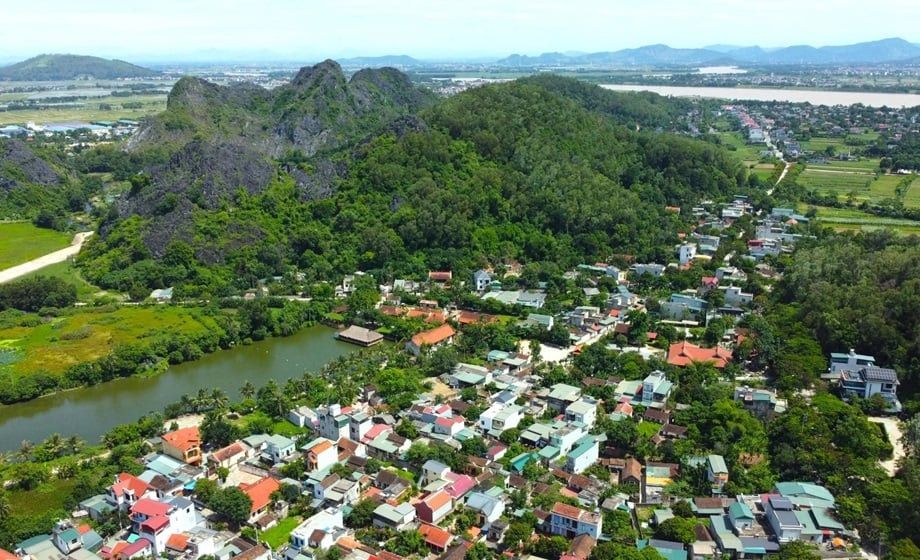
The cultural historical relic complex of Ham Rong lies on the picturesque bank of the Ma River (Source: Collected)
The name Ham Rong originates from the characteristic shape of Ham Rong mountain, stretching over 2 km, running from Duong Xa village, Thieu Duong commune, former Thieu Hoa district, along the right bank of the Ma River and ending at the foot of Ham Rong bridge. The end section of the mountain range bulges like the open mouth of a dragon's head, creating a vivid image full of sacredness. The western boundary borders the Ma River, while other directions are adjacent to vital transportation routes and the bustling residential areas of Thanh Hoa province.
1.2. Historical value and significance of the Ham Rong relic site
Mentioning the Ham Rong relic site brings to mind the resounding Ham Rong victory during the resistance war against the US for national salvation. Especially, the fierce battles to protect Ham Rong bridge on August 3rd and 4th, 1965, left a deep imprint on the golden pages of the nation's history. The army and people of Thanh Hoa bravely shot down numerous enemy aircraft, protecting the vital transportation route connecting North and South, and maintaining the lifeline of supplies to the front.
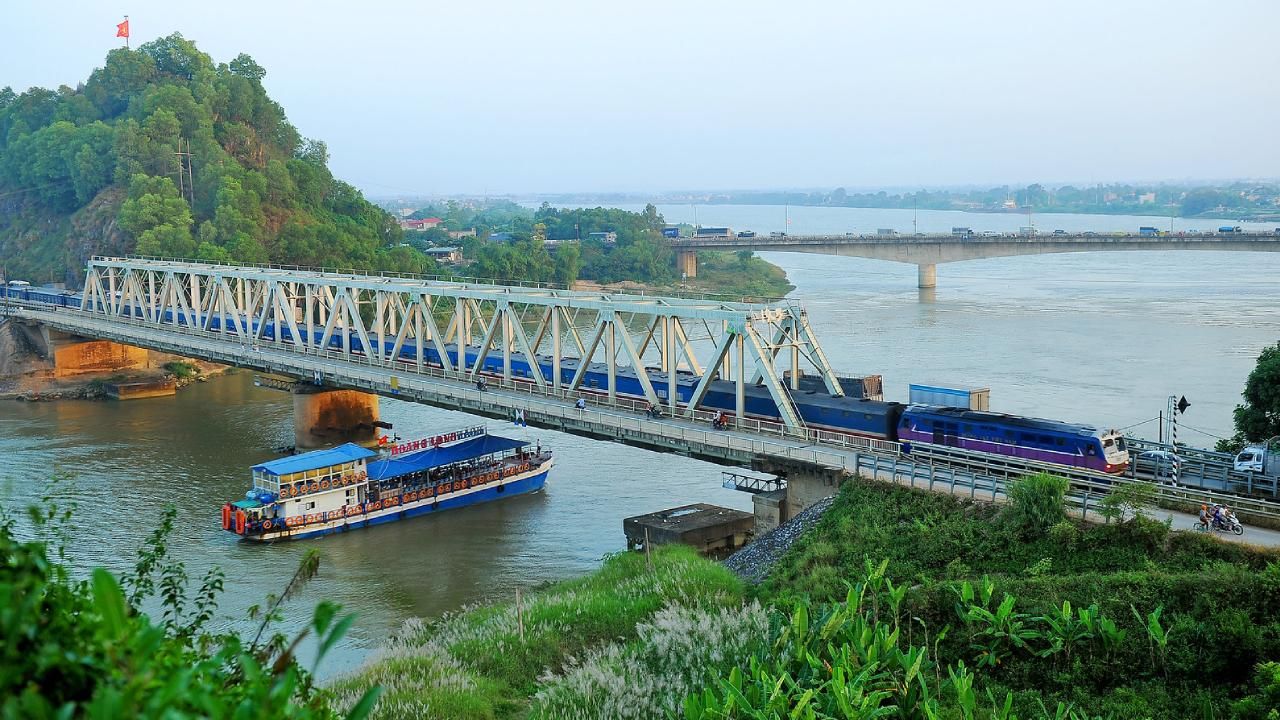
Ham Rong Bridge – a historical imprint by the Ma River. (Source: Collected)
Furthermore, this site holds great cultural and spiritual value for the Thanh region. It is one of the cradles of the brilliant Dong Son culture, with important archaeological sites discovered since 1924. The unbending spirit and will to win of the people here have become a vivid symbol of patriotism and the spirit of the Thanh region through generations.
In 2013, the Prime Minister officially approved the conservation plan for the Ham Rong relic site, designating it as the core development center for cultural and historical tourism within the Thanh Hoa urban planning until 2040.
1.3. Landscape and architectural features
The picturesque landscape is a special highlight at the Ham Rong relic site. Ham Rong Mountain, with its winding dragon shape, hides the Tien Son cave, shimmering with stalactites and stalagmites in fantastical shapes: Jade Emperor, Immortal Elder, Flying Dragon, Dancing Phoenix, Underwater Palace, and Heaven's Gate. Opposite is Ngoc Mountain, creating a scene like a dragon playing with jade amidst the blue sky and white clouds. From the summit of Ngoc Mountain, visitors can admire the panoramic view of the winding Ma River and the modern Thanh Hoa province. Ngoc Mountain was recognized as a national relic in 1975.
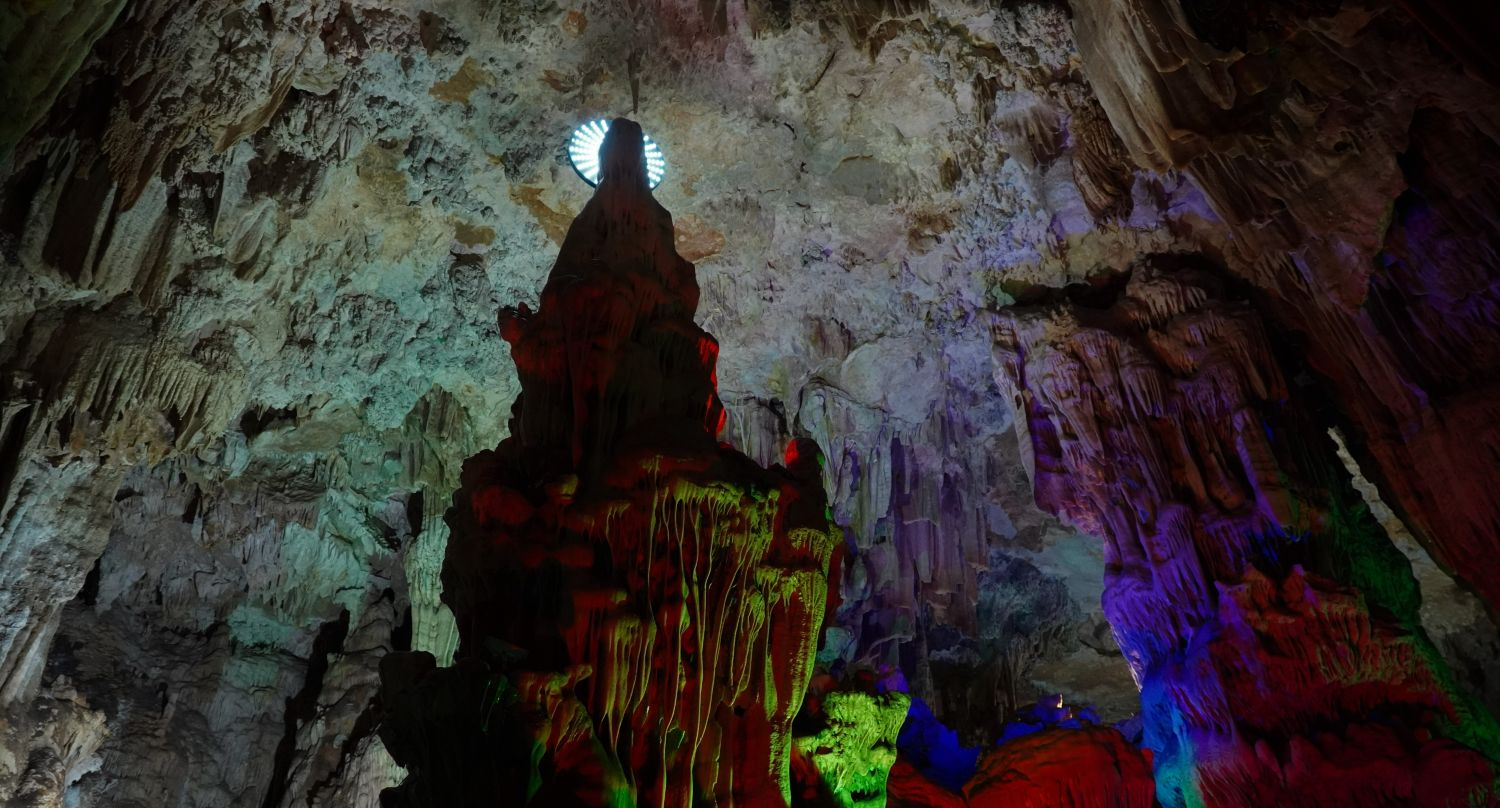
Tien Son Cave with shimmering mystical beauty. (Source: Collected)
Canh Tien Mountain stands out with the embossed inscription "Quyet Thang" (Victory) on the mountainside, where the Vietnamese Heroic Mother is worshipped with a scale of 15 hectares including a tam quan, a solemn 9-story bell tower. Long Quang Cave and many other caves are interspersed in the lush green pine forest, fertile valleys, contributing to high aesthetic value. The architecture of spiritual structures and historical relics blends naturally, creating an attractive eco-cultural tourist destination that is hard to miss.
2. Directions to Ham Rong Historical Site
2.1. From Hanoi to Ham Rong Historical Site (Thanh Hoa)
Starting from Hanoi, visitors have many transportation options to reach the Ham Rong Historical Site flexibly according to their needs and budget. The most popular choice is to travel by private car or bus, following National Highway 1A or the Phap Van – Cau Gie Expressway, then continuing on the North-South Expressway. The journey is about 160 km, taking about 2.5 to 3 hours depending on speed and traffic density. The fuel cost for a private car ranges from 300,000 to 400,000 VND for a round trip, while bus tickets for sleeper or seat buses are around 150,000 to 200,000 VND one way.
Trains are a more relaxing option with ticket prices ranging from 100,000 to 250,000 VND depending on the seat type, and travel time is 3.5 to 4.5 hours. Thanh Hoa Station is located about 5 km from the provincial center, visitors can easily take a taxi or ride-hailing service to reach the Ham Rong Historical Site in just 10 minutes. Departing early in the morning, you will have the whole day to explore the relic complex comfortably.
2.2. From Ho Chi Minh City to Ham Rong Historical Site
For passengers departing from Ho Chi Minh City, airplanes are the optimal means to shorten travel time. Flights from Tan Son Nhat Airport to Tho Xuan Airport, Thanh Hoa take about 1.5 hours, with round-trip ticket prices ranging from 1,500,000 to 3,000,000 VND depending on the airline and booking time. From Tho Xuan Airport, which is about 45 km from Thanh Hoa provincial center, visitors can rent a private car or taxi for about 400,000 to 500,000 VND, or a cheaper bus for about 50,000 VND.

Airplanes are a fast and convenient mode of transport for long journeys. (Source: Collected)
The travel time from the airport to the provincial center takes about 50 minutes to 1 hour, then another 10 minutes to reach Ham Rong historical site . The total travel cost for a trip from Ho Chi Minh City, including airfare and domestic transport, ranges from 2,000,000 to 3,500,000 VND depending on the chosen service level. Booking tickets early and following promotional programs can help save significantly.
2.3. Transportation within Thanh Hoa province to Ham Rong historical site
From the center of Thanh Hoa province, Ham Rong historical site is only 3 km away, convenient for all means of transport. Taxis and ride-hailing services are the fastest options with a cost of about 30,000 to 50,000 VND, taking only 5 to 10 minutes. Ride-hailing services like Grab, Gojek operate stably in Thanh Hoa, making it easy to book a ride via the phone app.
City buses are also an economical option, however, specific route information passing through this area needs to be confirmed with the local bus station as Thanh Hoa's bus network is limited. If you rent a motorbike for self-driving, the cost is about 100,000 to 150,000 VND per day, allowing you to move around and explore freely. The historical site has spacious parking, free for cars and motorbikes. Visitors coming during peak festival hours should arrive early to easily find a parking spot.
3. Outstanding experiences at Ham Rong historical site
3.1. Visiting important historical sites
Ham Rong Bridge is the most prominent historical symbol when mentioning Ham Rong historical site . The bridge spanning the Ma River was built by the French in 1904, featuring the most modern arched architecture in Indochina at the time. With its strategic role as a vital transport route connecting North and South, Ham Rong Bridge witnessed fierce battles during the resistance against the US. Standing on the bridge, admiring the gently flowing Ma River below, visitors can both feel the poetic beauty and remember the heroes who sacrificed their lives to protect this place.
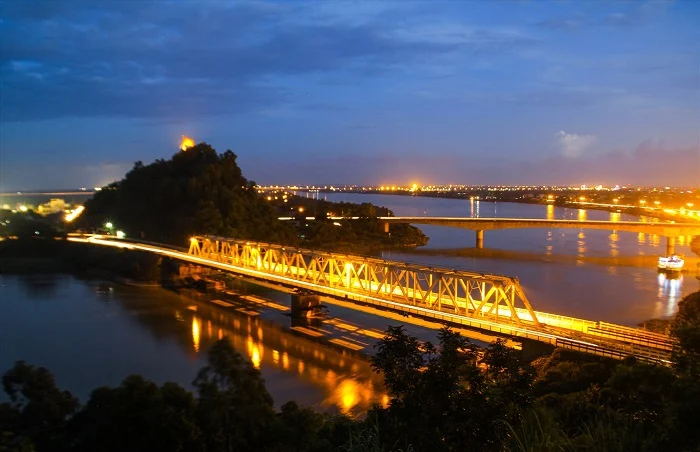
Ham Rong Bridge - a destination associated with history and the scenery of the Ma River. (Source: Collected)
The C4 Hill and Quyet Thang Hill artillery positions located on Canh Tien Mountain commemorate the indomitable spirit of victory. The embossed inscription "Quyet Thang" on the mountainside has become an impressive check-in spot, reminding us of the glorious victories of the past. The relic site is recognized as a national relic, preserving intact the battle trenches, fortresses, and many historical artifacts. Climbing to the top of the hill, you will have a panoramic view of Thanh Hoa province and the winding Ma River, feeling both majestic and peaceful.
3.2. Discover Dong Son Ancient Village and Archaeological Site
Dong Son Ancient Village in Ham Rong ward is a must-visit destination in your journey to explore the Ham Rong relic site. This is where the Dong Son culture was discovered in 1924, opening a golden chapter of the ancient Vietnamese civilization. The archaeological sites here represent a high level of metallurgy, bronze drum casting, and exquisite carving art of our ancestors from ancient times.
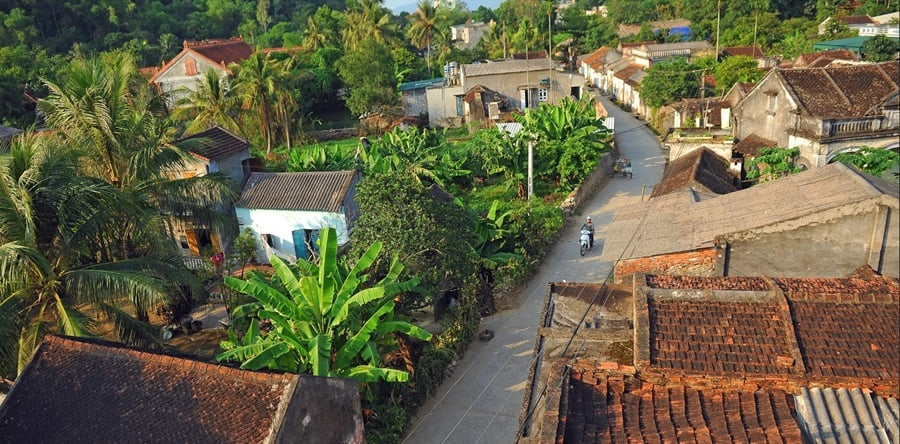
Dong Son ancient village – the cradle of culture by the Ma River. (Source: Collected)
Stepping into the ancient village, you will encounter ancient communal houses, temples, and pagodas bearing the imprint of time. Moss-covered walls, yin-yang tiled roofs covered in green moss tell countless historical stories. The archaeological value of this area is recognized by researchers both domestically and internationally, creating a unique cultural attraction that draws many tourists who love history and traditional culture.
3.3. Spiritual and commemorative activities at Ham Rong relic site
Truc Lam Ham Rong Zen Monastery is a peaceful spiritual stop amidst the mountainous landscape. Nestled within the cool pine forest, the monastery offers a sense of tranquility, helping visitors' souls relax and feel at ease. The pagoda's architecture combines traditional and modern elements, creating a scene harmonious with the surrounding nature.
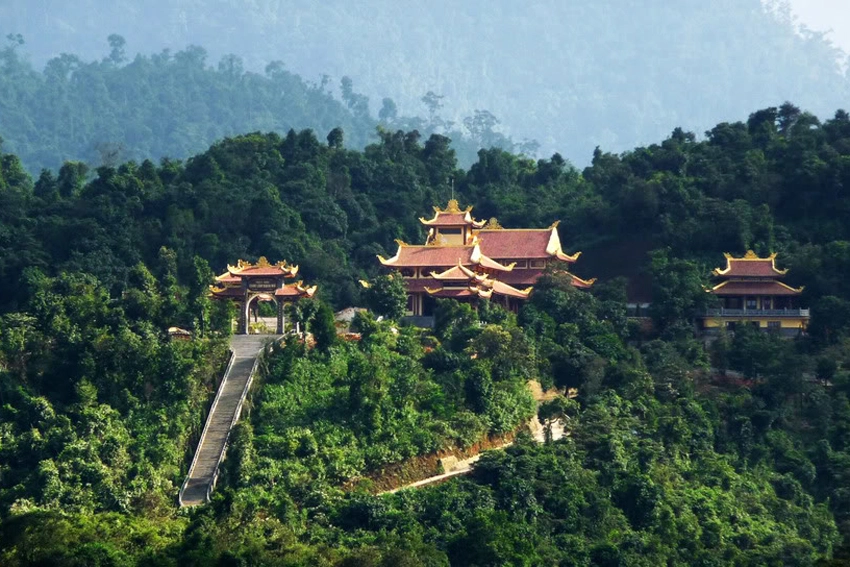
Truc Lam Zen Monastery amidst rolling mountains. (Source: Collected)
The Martyrs' Temple on Canh Tien Mountain is a work of profound historical and spiritual significance, aiming to honor Vietnamese Heroic Mothers and martyrs who sacrificed for the nation's independence and freedom. The relic complex spans approximately 15 hectares, highlighted by its majestic triple gate, a soaring 9-story bell tower, and solemnly arranged memorial areas. The traditional square is a venue for regular historical education activities, helping the younger generation understand and cherish the value of peace today. Besides, Tien Son Cave and Ngoc Mountain create a harmonious sightseeing space, combining sightseeing, commemoration, and spiritual experience.
3.4. Discover cultural and ecological experiences in Thanh Hoa
Ham Rong historical site is not just about historical structures but also a vibrant cultural experience space. Ethnic cultural programs, culinary and artistic exchanges are regularly organized, offering visitors a chance to immerse themselves in the life of the people of Thanh Hoa. Folk games such as tug-of-war, swings, and Quan Ho singing help visitors understand the rich traditional culture.
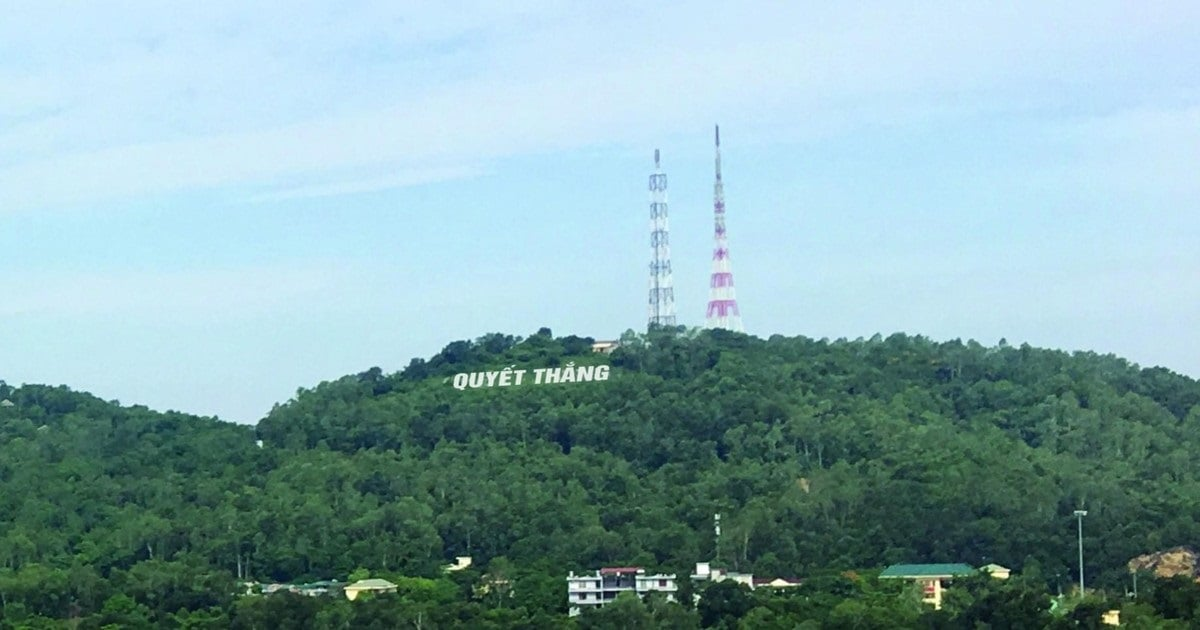
The words “Quyet Thang” on the slopes of Canh Tien mountain (Source: collected)
Explore the ecological nature with trails winding through pine forests and fertile valleys, visitors can enjoy light trekking or leisurely walks to admire the scenery. The fresh air, birdsong, and babbling streams create a wonderfully relaxing atmosphere. These cultural and ecological experiences make the visit much richer and more interesting than simply admiring historical sites.
4. Festivals and cultural events at the Ham Rong historical site
4.1. Outstanding traditional festivals associated with the Ham Rong historical site
The Ham Rong Festival is usually held on the occasion of historical victory anniversaries, typically in August each year. The main ritual includes offering incense to commemorate heroes and martyrs at the temple and traditional square, with the participation of provincial leaders, veterans, and the general public. The historical significance of the festival is to honor the great contributions of those who sacrificed to protect Ham Rong Bridge, and to educate the younger generation about revolutionary traditions.
Rich folk cultural and artistic content with performances of Quan Ho singing, Vi singing, Dam singing, Dong Son drum dancing, and traditional martial arts. Folk games such as tug-of-war, swing, and traditional wrestling create a joyful and lively atmosphere. Visitors attending the festival will be immersed in a solemn yet friendly atmosphere, deeply feeling the spiritual cultural values of Thanh Hoa.
4.2. Events commemorating the Ham Rong victory 2025
The year 2025 marked the 60th anniversary of the Ham Rong victory, a major commemorative event meticulously prepared by Thanh Hoa province with many special programs. Photo and historical artifact exhibitions recreated the glorious moments of the battle, helping visitors better understand the resounding victory. A large-scale art program featuring famous artists recreated the heroic fighting atmosphere through music, dance, and drama.

60th anniversary of Ham Rong's victory. (Source: Collected)
Experiential activities such as field trips to artillery positions, meeting veterans, and listening to authentic historical stories will bring profound emotions. Visitors are encouraged to participate to honor the contributions of our ancestors, and witness the unique cultural activities only available during this major anniversary. This is a great opportunity to explore the Ham Rong historical site in a solemn, meaningful, and emotional festive atmosphere.
5. Suggested 1-day itinerary for visiting the Ham Rong historical site
5.1. Ham Rong historical site exploration itinerary
To fully enjoy a day at the Ham Rong historical site, you should start early around 7 AM to avoid the harsh sun and have enough time for exploration. In the morning, from 7:30 AM to 9:30 AM, visit the Ham Rong bridge to take photos in the gentle sunlight and admire the poetic Ma River. Next, climb Ngoc Mountain to admire the panoramic view of the province and visit the national-level historical site here; the gentle climb takes about 30 minutes.
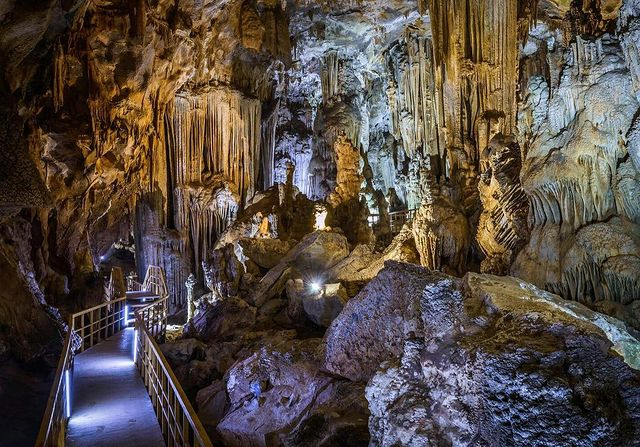
Tien Son Cave - A cool space all year round with a beautiful natural stalactite system. (Source: Collected)
From 10 AM to 12 PM, move to the artillery positions at C4 Hill and Quyet Thang Hill, learn about historical feats, and take photos next to the famous "Quyet Thang" inscription. Afterwards, visit the temple dedicated to heroes and martyrs and Truc Lam Ham Rong Zen Monastery to offer incense and flowers in remembrance. Lunch break from 12 PM to 1:30 PM at eateries around the relic site, enjoying Thanh Hoa specialties. In the afternoon, from 1:30 PM to 3:30 PM, explore Dong Son ancient village, learning about archaeological culture and the architecture of ancient communal houses, temples, and pagodas. From 3:30 PM to 5 PM, visit Tien Son Cave to admire the shimmering stalactites, wander through the pine forest, and take souvenir photos before concluding the tour.
5.2. Combine visits to nearby Thanh Hoa attractions
The Ham Rong relic site is conveniently located for combining visits to many other famous tourist destinations in Thanh Hoa. The Ho Dynasty Citadel relic is about 17 km to the west, a unique stone architectural work recognized by UNESCO as a world cultural heritage site in 2011. It only takes about 20 minutes to travel, you can spend half a day exploring the Ho Dynasty Citadel with its exquisite laterite stone architecture, and learn about the short but historically significant Ho dynasty.
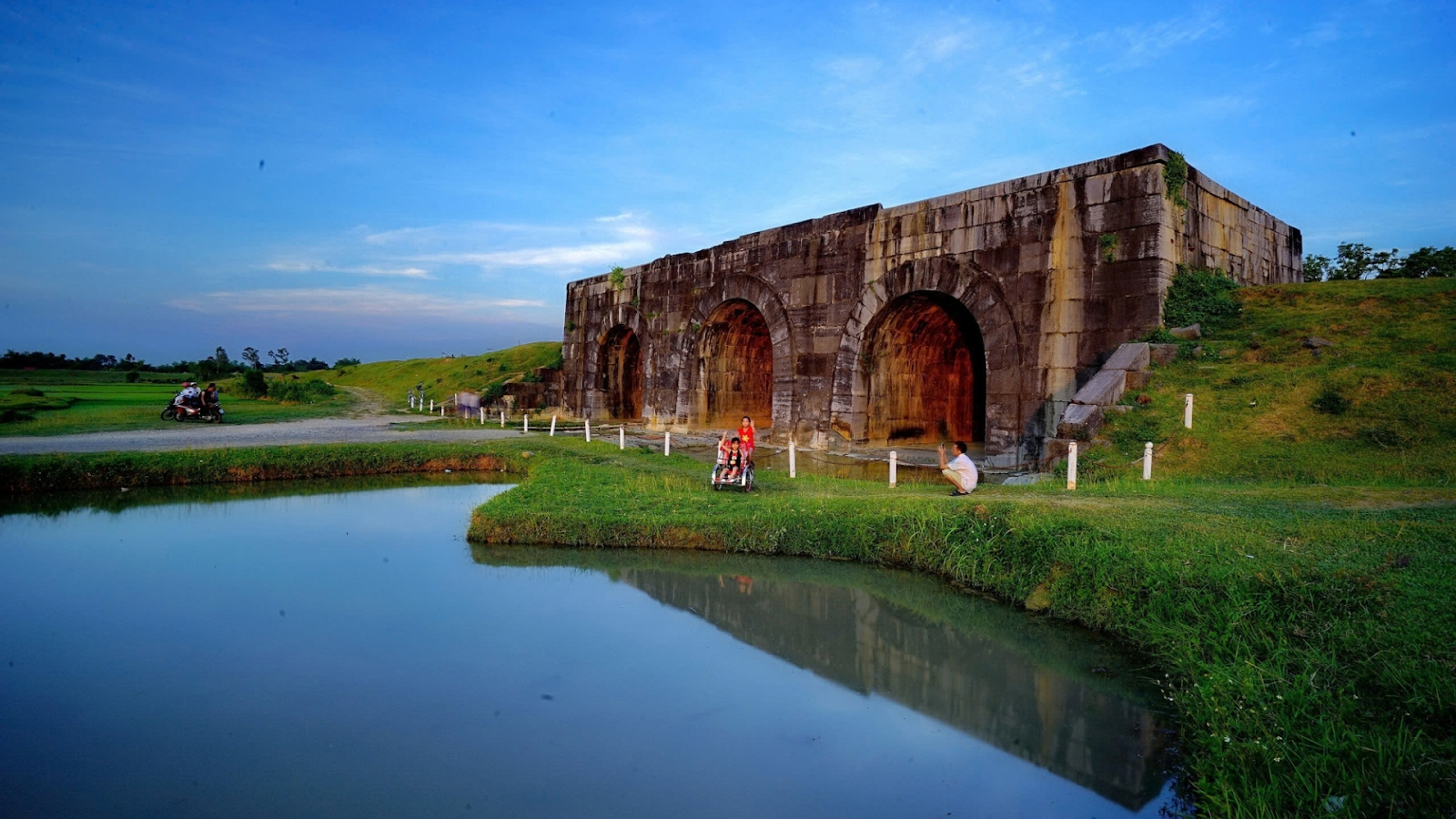
Ho Citadel – World Cultural Heritage, a historical mark of over 600 years of Thanh Hoa. (Source: Collected)
Sam Son beach is about 16 km east of the Ham Rong historical site, and is the most famous beach in the North with its long stretch of fine white sand and gentle waves. After a day of visiting the site, you can spend the night in Sam Son, enjoy fresh seafood, and swim in the sea the next morning. This combined itinerary makes the trip diverse, exploring cultural and historical values while relaxing by the sea, creating a colorful travel experience.
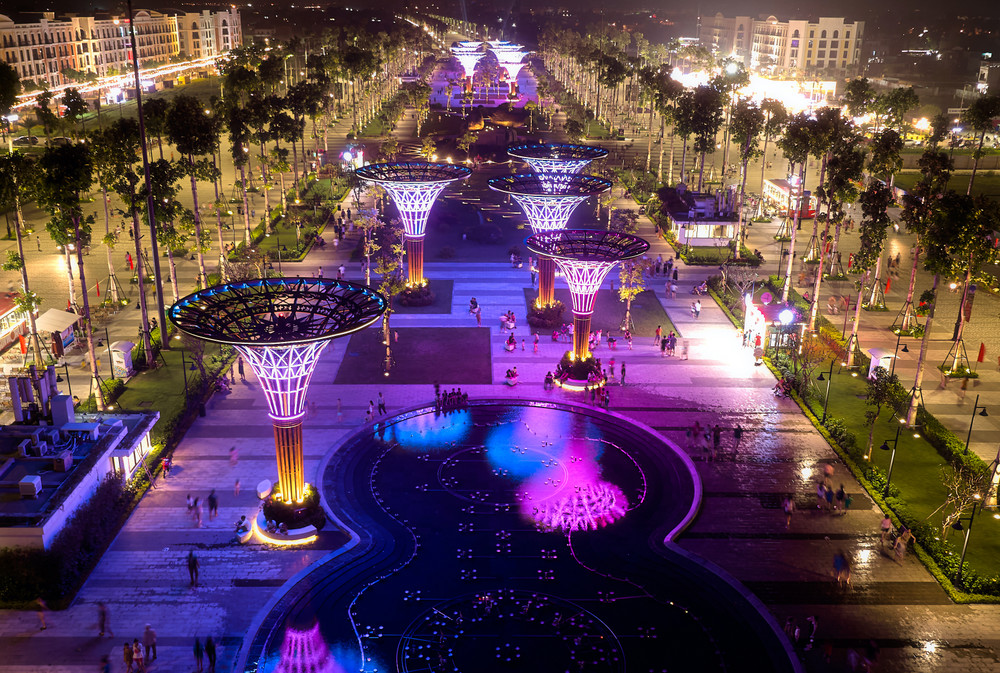
Visit Sam Son Sea Square to make the trip more complete. (Source: Collected)
Before ending the trip, Sam Son Sea Square is an ideal stop to fully experience the rhythm of the seaside city. Amidst the vast space facing the ocean, the salty breeze, the gentle sound of waves, and the soft sunset light seem to slow down every step. This is not only a place for a stroll, taking photos, and relaxing after a long journey, but also a moment of reflection to look back at past experiences, preserving peaceful and complete feelings before saying goodbye to Sam Son.
6. Cuisine and Specialties of Ham Rong Area
6.1. Must-try Delicacies when visiting Ham Rong historical site
Thanh Hoa cuisine is one of the attractive highlights when visiting the Ham Rong historical site. Thanh Hoa fermented pork roll is famous for its distinctive sweet and sour taste, made from minced pork mixed with pork skin, chili, and spices, then wrapped in young banana leaves, served with fresh herbs and garlic. The fermented pork roll here has moderate ripeness, not too sour, suitable for many people's tastes. Priced around 30,000 to 50,000 VND per kilogram, you can easily buy it at specialty shops near the historical site.
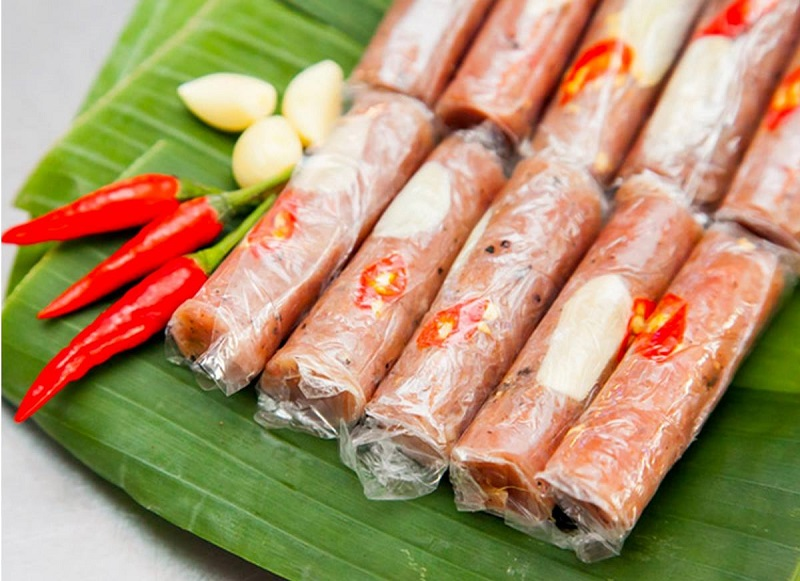
Thanh Hoa fermented pork roll - a must-try specialty when you visit this place. (Source: Collected)
Thanh Hoa rolled cake differs from Hanoi rolled cake with its thin and smooth cake layers, crispy and fragrant minced pork filling, served with a sweet and sour dipping sauce. A plate of rolled cake costs about 25,000 to 35,000 VND, warm and filling enough for breakfast or a snack. Thanh Hoa Che Lam is made from sticky rice, green beans, ginger, and palm sugar, with a sweet and nutty flavor, fragrant with ginger, costing only 15,000 to 20,000 VND per bowl. Notable eateries like the rolled cake shop on Phan Chu Trinh street, the fermented pork roll shop at Ham Rong market, and the Che Lam shop near Ham Rong bridge are all highly rated by customers for their quality and reasonable prices.
6.2. Dining Area, Local Culinary Culture Experience
Ham Rong Market, located right near the Ham Rong historical site, is an ideal destination to explore the local culinary culture. The market bustles with activity from early morning, selling all kinds of specialties, fresh seafood, and street food. Visiting the market in the morning, you will encounter a lively atmosphere of buying and selling, cheerful hawker calls, and the aroma of food wafting through the space.
Restaurants around the historical site serve a variety of traditional Thanh Hoa dishes such as com lam (bamboo-tube rice), free-range chicken, and grilled Ma River fish, priced from 40,000 to 100,000 VND per dish. Experiencing culinary exchange with locals, you will hear stories about how dishes are prepared and about their daily lives. The friendly and hospitable atmosphere of the Thanh people creates a cozy feeling, making the meal more delicious and memorable.
7. Experience and Notes for Visiting Ham Rong Historical Site
7.1. Notes on Attire and Ideal Timing for Visiting Ham Rong Historical Site
The ideal time to visit Ham Rong historical site is from September to April next year, when the weather is cool, with little rain and clear blue skies, favorable for outdoor sightseeing activities. The summer from May to August is quite hot, but visiting early in the morning or late in the afternoon is still quite pleasant. Avoid visiting on days with heavy rain as the mountain paths can be slippery, affecting safety and experience.

Choose comfortable clothing, prioritizing comfort. (Source: Collected)
Appropriate attire includes breathable clothing and sports shoes with non-slip soles for convenient hiking and walking. Bring a hat, sunglasses, sunscreen, and drinking water to protect your health in the sun. When participating in spiritual activities at temples or pagodas, wear modest clothing, avoiding shorts and overly short tank tops. If attending traditional festivals, you can wear an 'ao dai' or ethnic costume to blend in with the festive atmosphere.
7.2. Things to Avoid and Regulations of the Relic Site
Ham Rong Relic Site is a national historical and cultural relic site, visitors must strictly adhere to the regulations for relic protection. Do not draw, write on, carve, or climb on architectural structures, stone steles, or statues. Do not litter; maintain environmental hygiene by disposing of trash in bins or carrying your own trash bag. Respect restricted areas, areas under renovation, and do not intrude on the private spaces of local residents.
When visiting spiritual sites such as temples and pagodas, maintain order, avoid making noise, speak softly, and turn off or silence your phone. Do not touch historical artifacts, paintings, or statues without permission. Move carefully on mountain trails, especially when it rains and the paths are slippery. Follow signs and instructions from relic management staff to ensure safety and protect this valuable cultural heritage for future generations.
Ham Rong Relic Site is an ideal destination for those who love history, culture, and nature. Arrange your time to visit and fully experience the spiritual cultural values of Thanh Hoa, creating memorable moments with family and friends!